Top 10 Hydraulic Pumps You Need for Efficient Operations?
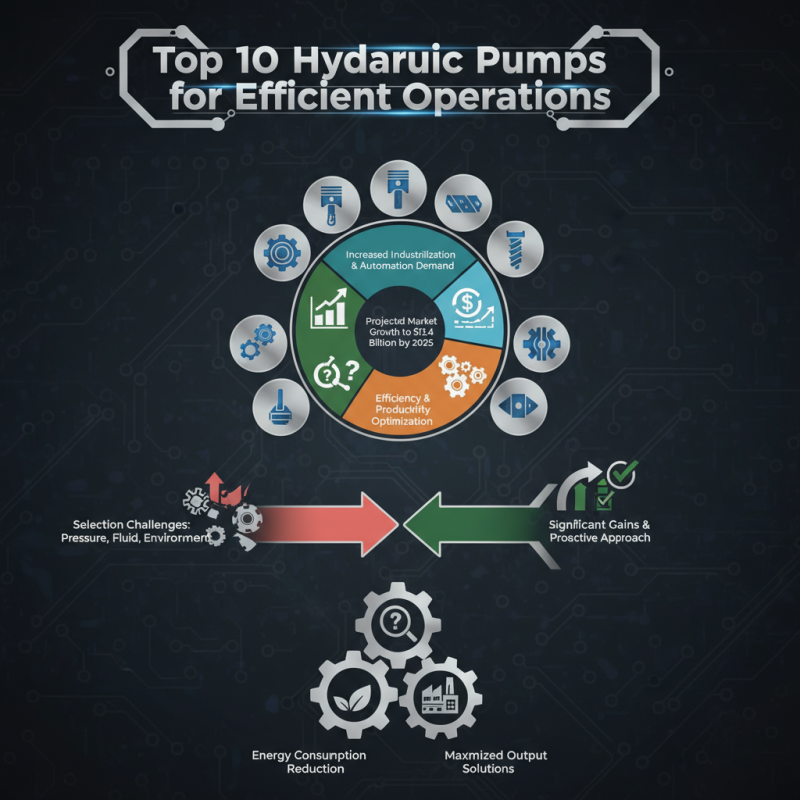
Hydraulic Pumps play a crucial role in various industries, driving machinery that relies on fluid power. According to a recent report by MarketsandMarkets, the global hydraulic pumps market is projected to reach USD 12.4 billion by 2025, growing at a CAGR of 5.3%. This growth is primarily fueled by increased industrialization and the rising demand for automated systems. Understanding which hydraulic pumps to invest in can optimize efficiency and enhance operational productivity.
Efficient hydraulic pumps are key to minimizing energy consumption and maximizing output. For example, advanced gear pumps can provide high efficiency, often exceeding 90% in specific applications. However, not all hydraulic pumps are created equal. The selection process can be complex, with multiple factors at play, including pressure requirements, fluid compatibility, and operational environment. Many organizations face challenges in this area, leading to performance issues and unnecessary costs.
Ultimately, choosing the right hydraulic pumps requires a careful evaluation of your specific needs. Leading manufacturers provide a variety of options tailored for diverse applications. The potential for improved efficiency is significant but often overlooked. As industries evolve, ensuring you invest in the proper hydraulic pumps can lead to substantial gains and reflect a proactive approach to operational challenges.
Overview of Hydraulic Pumps and Their Importance in Operations
Hydraulic pumps play a crucial role in various industrial operations. They convert mechanical energy into hydraulic energy, enabling efficient movement and lifting of heavy loads. According to the International Hydraulic Industry Association, hydraulic pumps account for approximately 37% of the hydraulic system's overall efficiency. This makes selecting the right pump essential for optimal functionality.
The importance of hydraulic pumps extends beyond just performance. They help to minimize energy consumption, which is increasingly critical in an energy-conscious economy. A report from the Hydraulic Institute indicates that when implemented correctly, advanced hydraulic systems can reduce energy costs by up to 30%. This reduction not only impacts operational budgets but also contributes to sustainability goals within industries.
However, some operations struggle with inefficient systems or outdated pumps. The American Society of Mechanical Engineers suggests that regular maintenance is often overlooked, leading to performance issues. An inefficient pump can cause operational delays and increased costs. Ensuring proper training and knowledge of hydraulic systems can drastically improve reliability. By addressing these common pitfalls, businesses can enhance both productivity and cost-effectiveness in their operations.
Top 10 Hydraulic Pumps You Need for Efficient Operations
| Pump Model | Flow Rate (L/min) | Pressure (bar) | Type | Efficiency (%) |
| Model A | 70 | 250 | Gear | 92 |
| Model B | 85 | 300 | Piston | 90 |
| Model C | 60 | 200 | Gear | 89 |
| Model D | 90 | 320 | Vane | 93 |
| Model E | 75 | 250 | Piston | 88 |
| Model F | 80 | 270 | Gear | 91 |
| Model G | 95 | 350 | Vane | 94 |
| Model H | 100 | 400 | Piston | 90 |
| Model I | 65 | 230 | Gear | 87 |
| Model J | 55 | 150 | Vane | 85 |
Key Factors to Consider When Selecting Hydraulic Pumps
When selecting hydraulic pumps, it's important to consider several key factors. Efficiency plays a vital role in the overall operation. An efficient pump minimizes energy consumption and maximizes output. Choosing the right type of pump can directly impact system performance. For instance, gear pumps are suitable for high-pressure applications, while piston pumps excel in variable flow conditions.
Another crucial aspect is compatibility with existing systems. Ensure that the pump can integrate well with your hydraulic system's specifications. Pay close attention to flow rate and pressure ratings. Mismatches can lead to inefficiency or even equipment failure. Consider the operating environment as well. Pumps used in extreme conditions require robust materials and designs.
Maintenance requirements should not be overlooked. Hydraulic pumps demand regular servicing to perform optimally. Evaluate the ease of access for repairs and part replacements. A pump that is difficult to maintain can lead to unexpected downtime. It's worth reflecting on your long-term needs. Choosing the right hydraulic pump is not just about immediate performance but also about reliability and sustainability.
Top 10 Hydraulic Pumps Efficiency Comparison
This chart compares the efficiency of the top 10 hydraulic pumps based on their performance ratings. Efficient hydraulic pumps are crucial for optimizing operations and reducing costs.
Top Brands and Models of Hydraulic Pumps for Optimal Performance
When selecting hydraulic pumps for efficient operations, exploring the top brands is crucial. Key players in the industry offer reliable models known for performance and durability. These pumps frequently feature advanced materials and innovative designs. Efficiency in hydraulic systems often hinges on proper pump selection, ensuring optimal pressure and flow rates.
Users should pay attention to size and capacity. Choosing the right model impacts hydraulic system effectiveness. Some pumps are more efficient in specific applications. Evaluating performance data helps in making informed decisions. Additionally, feedback from existing users can provide insights on reliability and maintenance needs.
However, not all pumps will fit every requirement. Performance may vary based on the environment and load conditions. Regular checks and adjustments are necessary for maintaining efficiency. Identifying the right balance between power and size can sometimes be challenging, requiring ongoing assessment and experience. A well-chosen pump significantly enhances operations, making it essential to look beyond standard recommendations.
Maintenance Practices for Prolonging Hydraulic Pump Lifespan
Hydraulic pumps play a crucial role in a variety of industries. Regular maintenance can significantly extend their operational lifespan. Simple tasks can yield big results. Checking the fluid levels regularly ensures that the pump operates efficiently. Low fluid can lead to overheating and ultimately damage.
Another vital practice is inspecting seals and hoses. Worn or cracked components can lead to leaks, affecting performance. Tightening connections can prevent issues before they start. Cleaning the pump exterior prevents contamination, which can hinder efficiency. This seemingly minor task often gets overlooked, yet it’s important.
Monitoring performance indicators is also essential. Sudden changes might signal underlying issues. Listening for unusual noises can provide early warnings of mechanical failure. Regularly scheduled maintenance checks are key to identifying these problems early. Even experienced operators can miss signs. Investing time in training can enhance awareness and detection skills. These methods contribute to a longer, more productive life for hydraulic pumps.
Future Trends in Hydraulic Pump Technology for Enhanced Efficiency
As industries evolve, hydro power solutions adapt to boost efficiency. Future trends in hydraulic pump technology show a shift toward smarter, more efficient systems. By integrating IoT capabilities, pumps can optimize performance in real-time. A report from MarketsandMarkets indicates the hydraulic pump market could reach $27.8 billion by 2026, driven by automation.
Sustainable manufacturing remains key in pump innovation. Energy-efficient designs reduce operational costs significantly. Advanced materials enhance durability and life span, promoting sustainability. The trend toward electrification further minimizes environmental impact, aligning with global green initiatives.
Tip: Regular maintenance extends the life of hydraulic pumps. Implementing predictive analytics can help identify issues before they arise. This approach ensures smooth operations and reduces unexpected downtime.
Another significant trend is miniaturization. Smaller pumps with high efficiency are emerging. Applications in mobile equipment benefit greatly from these developments. However, balancing size and power can challenge engineering teams. Continuous adaptation is vital for remaining competitive. Investing in training for employees on new technologies is essential to leverage these advancements effectively.