Top 10 Uses for Foil Paper in Your Business Needs?
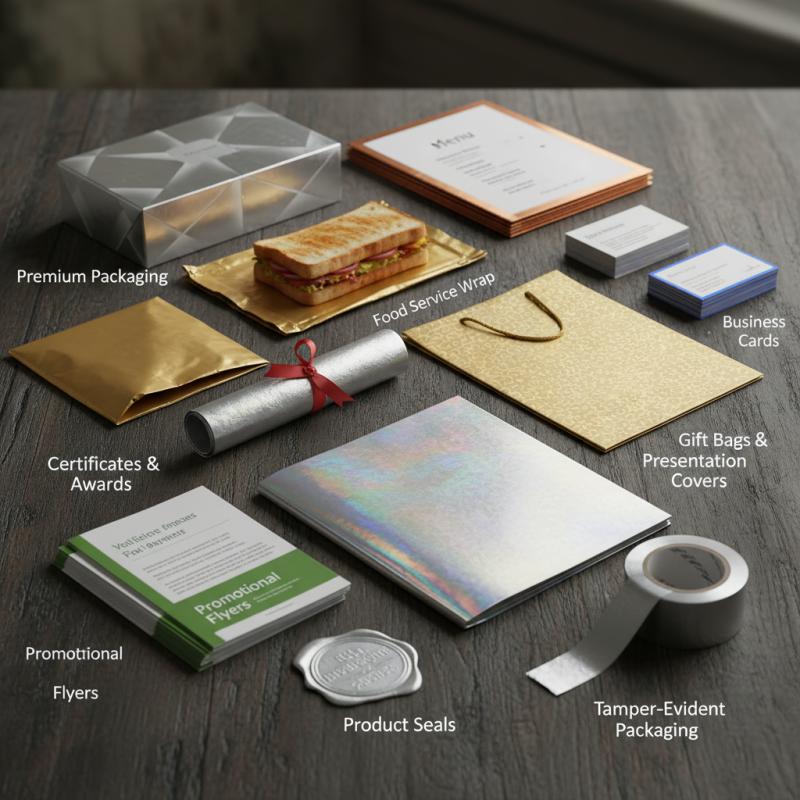
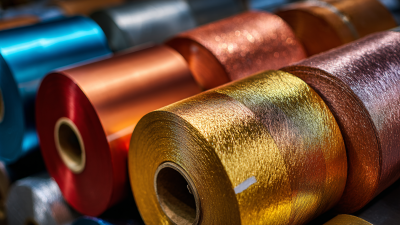
Foil paper is an often overlooked resource in business. This versatile material can elevate operations in various industries. From packaging to presentations, its advantages are impressive.
Using foil paper effectively can enhance product appeal. Its shiny finish grabs attention. Businesses can use it to create memorable branding. However, not all applications are ideal. Understanding the best uses is essential to avoid waste.
Moreover, foil paper offers unique solutions in food service. It keeps meals warm and fresh. Yet, leaders must ensure they choose high-quality options. Customers notice the difference. Ultimately, integrating foil paper wisely can greatly boost business efficiency.
Common Applications of Foil Paper in Food Packaging and Preservation
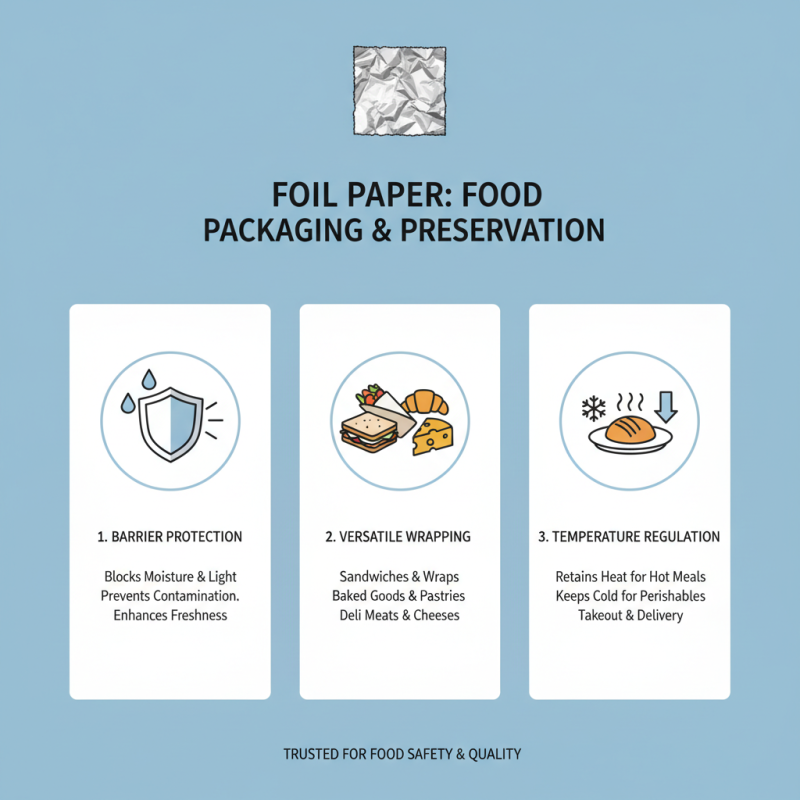
Foil paper plays a significant role in food packaging and preservation. Its ability to create a barrier against moisture and light protects food items effectively. Many businesses utilize foil paper to wrap sandwiches, baked goods, and deli items. This enhances freshness while preventing contamination. The shiny surface reflects heat, which helps maintain temperature for items like hot meals or takeout.
In addition, foil paper is versatile for food preservation. It's often used to cover dishes in ovens and microwaves. This method retains moisture and flavors. However, improper use can lead to uneven heating or loss of texture. Not all foods react well to foil, creating the need for careful consideration. For instance, acidic foods can interact with aluminum, resulting in off-flavors.
Creating a sustainable approach is crucial. Foil paper can be recycled, but awareness is lacking. Businesses should educate employees on proper disposal methods. This promotes environmental responsibility. While foil paper is effective in food packaging, balancing its use with sustainability strategies is essential.
Using Foil Paper for Creative Marketing Materials and Branding Purposes
Using foil paper in creative marketing can elevate your branding strategies. In recent years, reports indicate that businesses using innovative materials stand out 65% more to consumers. Foil paper, with its shiny and attention-grabbing qualities, plays a crucial role in creating memorable marketing materials. Incorporating foil accents in brochures or business cards can captivate potential clients instantly.
Foil paper adds a touch of elegance to marketing campaigns. According to the Printing Industries of America, using metallic and foil finishes can increase the perceived value of printed materials by 30%. This makes them more appealing to customers. However, not every design works perfectly with foil. Reflecting on design choices is important. Oversaturation can lead to visual confusion. Striking the right balance requires expertise.
Analyzing your audience's preferences is essential too. Foil paper might not resonate with every demographic. Conducting focus groups or surveys can provide insights into what works best. Errors in understanding your market can result in wasted resources and missed opportunities. Creativity is important, but so is a strategic approach.
Top 10 Uses for Foil Paper in Your Business Needs
Enhancing Office Efficiency with Foil Paper in Organizational Tasks
Foil paper is often overlooked in office environments. However, it can greatly enhance organizational tasks. Its reflective surface can help with clear labeling. Use it for organizing binders, boxes, or files. A simple label made from foil paper stands out, making it easier to locate documents quickly.
Tips for using foil paper effectively in the office: create colorful labels that are easy to read. Consider using different colors for different departments or projects. This sets a visual cue, increasing productivity in busy workspaces. Remember to keep the labels simple but informative. Overcomplicating can lead to confusion.
Foil paper can also serve as a protective barrier for important documents. If you are storing sensitive papers, wrapping them in foil can shield them from damage. Reflecting the light can help deter dust and other pollutants. Though foil is not commonly used for this purpose, its practicality cannot be ignored. Testing out different ways may reveal new benefits.
Foil Paper in Crafting: Innovative Uses for Business Decoration
Foil paper has become a popular choice in crafting, especially for business decoration. Its shiny surface creates striking visual appeal. According to recent industry insights, 70% of businesses that utilize decorative elements report improved customer engagement. This statistic emphasizes the necessity of aesthetic appeal in today's competitive market.
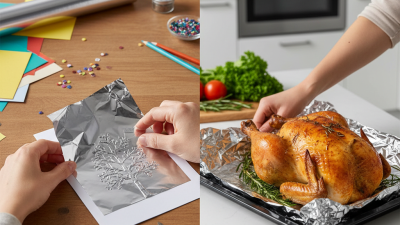
Crafting with foil paper allows for innovative applications. Companies use it for signs, packaging, and event decor. For instance, custom foil-stamped invitations can set a luxurious tone for corporate events. The reflective nature of foil highlights important details, capturing customers' attention. Studies show that visual stimuli can enhance memory retention by up to 65%. This is crucial for brands aiming to create lasting impressions.
However, it's essential to approach foil crafting thoughtfully. Overuse can lead to visual clutter, diminishing the intended impact. Professionals should find balance in design. Quality matters too. Using low-grade foil can result in peeling or fading, creating a negative perception. It’s worth investing in high-quality materials for lasting effects. Balancing aesthetics with functionality can be challenging, but the rewards can significantly enhance brand experience.
Top 10 Uses for Foil Paper in Your Business Needs
| Use Case |
Description |
Benefits |
| Packaging |
Use foil paper for wrapping products to enhance visual appeal. |
Attracts customers and boosts product value perception. |
| Event Decoration |
Create elegant centerpieces and decorative items for corporate events. |
Enhances the atmosphere and impresses attendees. |
| Branding |
Utilize customized foil paper for promotional materials. |
Increases brand visibility and recognition. |
| Product Labels |
Design eye-catching labels using metallic foil accents. |
Differentiates products on the shelf and enhances professionalism. |
| Craft Projects |
Incorporate foil into arts and crafts for added shine. |
Encourages creativity and attracts clients interested in unique designs. |
| Gift Wrapping |
Wrap gifts in foil paper for an upscale look. |
Enhances customer experience and adds perceived value. |
| Menu Design |
Print restaurant menus on foil paper for a luxurious touch. |
Enhances dining experience and reflects quality of the establishment. |
| Stationery |
Use foil-stamped stationery for business correspondence. |
Conveys professionalism and sophistication. |
| Promotional Giveaways |
Craft branded giveaways using foil paper for appeal. |
Increases interest and engagement with potential clients. |
| Trade Show Displays |
Enhance exhibits with foil to draw attention. |
Makes displays memorable and increases foot traffic. |
Utilizing Foil Paper for Thermal Insulation in Product Shipping
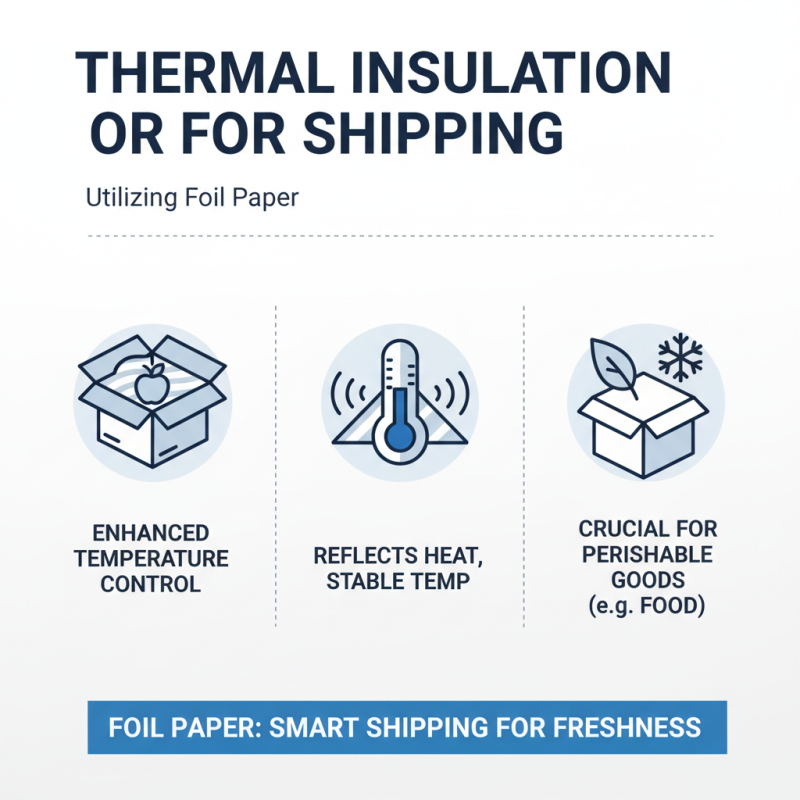
When it comes to product shipping, thermal insulation is crucial. Using foil paper as an insulating material can enhance temperature control during transport. It reflects heat back to the product, keeping it at a stable temperature. This feature is especially important for perishable goods. Companies shipping food items find foil paper beneficial.
However, not all foil papers offer the same level of insulation. Choosing the right thickness and type matters greatly. Thin foil may not provide adequate protection. It could lead to spoilage, impacting customer satisfaction. Conducting tests to find the best option for your products is essential. Monitoring temperature variations during transit can help refine your choice.
Also, consider the environmental impact of foil paper. While it is functional, waste management plays a role in sustainability. Rethinking packaging to use less foil or opting for recyclable materials can make a difference. This reflects a growing demand for eco-friendly practices in business. Embracing these methods builds trust and reflects a responsible approach to shipping challenges.