Top 10 Uses of Aluminium Paper in Daily Life?
In our everyday lives, aluminium paper plays a surprisingly vital role. It is a versatile material that many people take for granted. According to Dr. Emily Carter, an expert in materials science, "Aluminium paper is not just for wrapping; it's an essential tool in kitchens and beyond." This highlights the importance of aluminium paper in various contexts, often overlooked.
From food preservation to crafts, aluminium paper is everywhere. Its ability to retain heat makes it a popular choice for baking and cooking. But its uses extend far beyond the kitchen. People use it for DIY projects, insulation, and even as a makeshift shield for electronics. However, not all uses of aluminium paper are ideal. Issues like waste generation and recycling challenges require our attention.
Reflecting on its properties is vital. While aluminium paper is convenient, its environmental impact must be considered. Finding a balance between utility and sustainability invites deeper thought. The question remains: how can we use aluminium paper wisely in our daily routines?
Uses of Aluminium Paper in Food Preservation and Storage
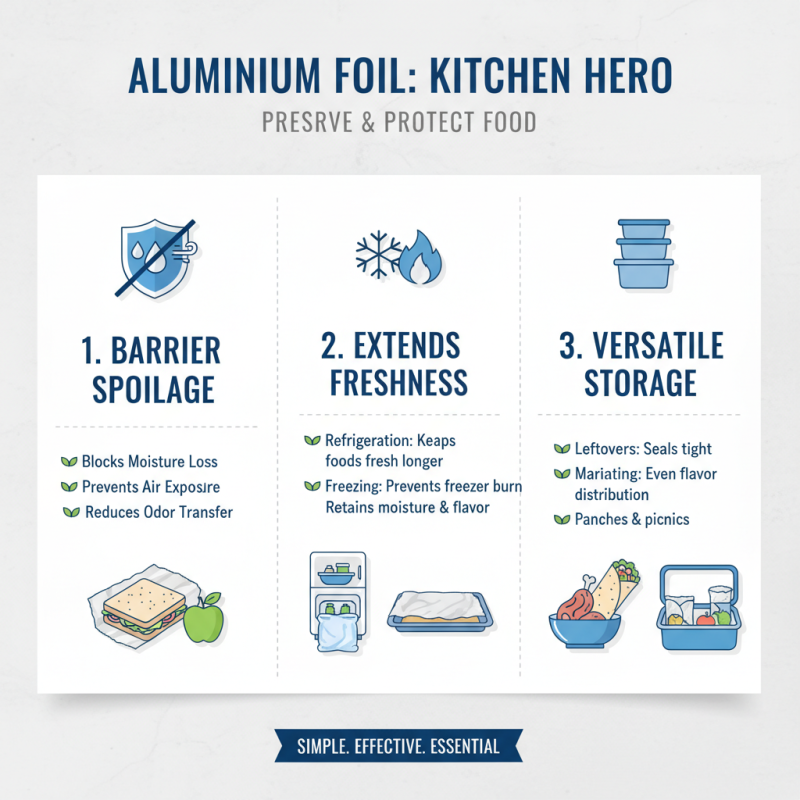
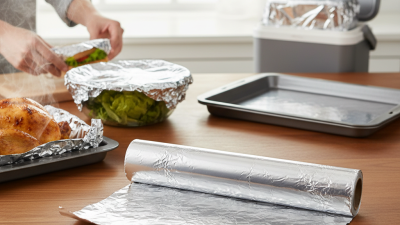
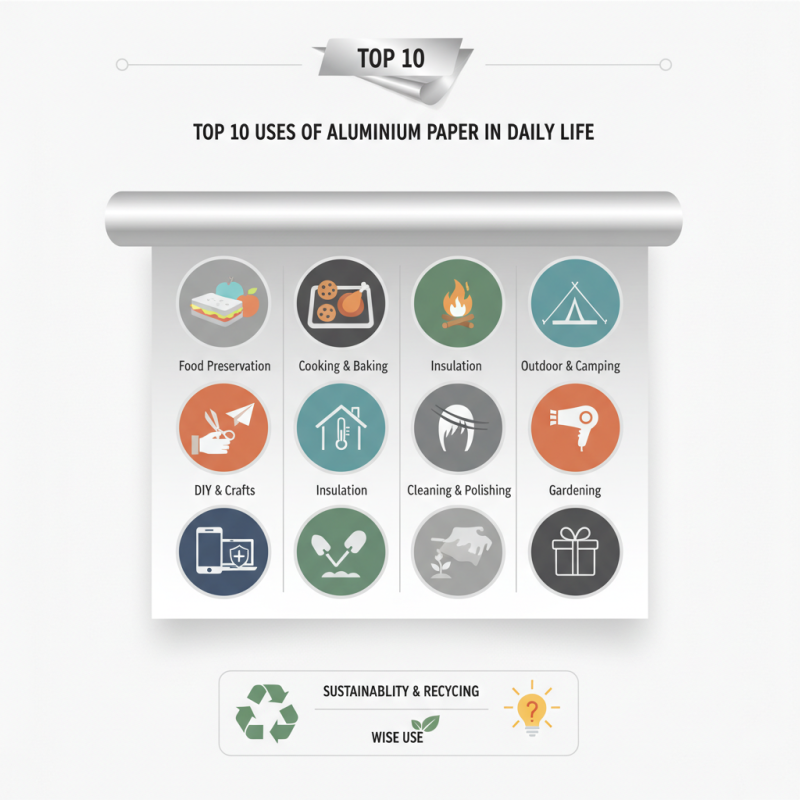
Aluminium paper is a common household item with many practical uses. One of its main applications is in food preservation and storage. Wrapping food items in aluminium paper helps to keep them fresh for longer. The material acts as a barrier to moisture and air, which can spoil food.
Tips: Always ensure the food is cooled down before wrapping. Hot food can create steam, leading to sogginess.
Using aluminium paper to wrap sandwiches or leftovers is an effective way to prevent spoilage. The shiny side of the paper reflects light and helps maintain temperature. You can easily mold the paper around irregularly shaped items. However, be careful with acidic foods; the aluminium may react and affect flavor.
Tip: Consider double wrapping items that you plan to freeze. This extra layer provides better protection against freezer burn.
Storing food properly is vital. Mismatched wraps can lead to waste and odors mixing in the fridge. You might forget what’s in the paper if you don’t label items. Try to use markers to note contents and dates to avoid surprises later.
Tip: Keep a roll of aluminium paper in your kitchen drawer for quick access.
Applications of Aluminium Paper in Cooking and Baking
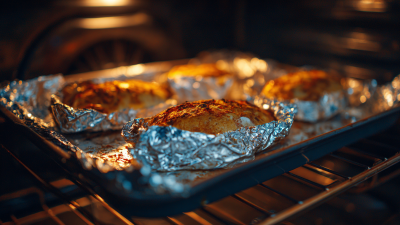
Aluminium paper is a versatile tool in cooking and baking. Its lightweight and heat-resistant properties make it a favorite among home cooks. According to a report by the Aluminium Association, over 70% of households regularly use aluminium foil in food preparation. This indicates its essential role in daily culinary practices.
When baking, aluminium paper serves multiple purposes. It prevents food from sticking to pans, ensuring easier cleanup. Using it to line baking sheets can lead to perfectly cooked cookies. However, improper use can lead to uneven heat distribution. Wrapping food too tightly may trap moisture, resulting in soggy textures instead of crisp finishes.
In cooking, aluminium paper is great for roasting and grilling. It can retain flavors and keep meats tender. Yet, there's a downside to its use. If exposed to high acidity or salty foods, it can react chemically, affecting taste. Finding the balance between utility and safety is crucial for home chefs. The key lies in understanding how to use it effectively while avoiding potential pitfalls.
Top 10 Uses of Aluminium Paper in Daily Life
Innovative Uses of Aluminium Paper for Crafting and DIY Projects
Aluminium paper, often overlooked, is a fantastic material for crafting and DIY projects. Its lightweight nature and metallic finish make it appealing for various creative uses. For instance, you can create stunning decorations by shaping aluminium paper into flowers or intricate patterns. Just cut shapes, twist them, and watch as they catch the light. These paper creations can add a unique touch to any room.
Another innovative use is in model-making. Aluminium paper works well for creating detailed elements. You might struggle with precision initially, but practice makes perfect. Whether it's miniature sculptures or architectural models, aluminium paper allows for experimentation. Don't be afraid to mix it with other materials, too; sometimes, the best ideas emerge from happy accidents.
Finally, aluminium paper can serve as an embellishment in scrapbook designs. Its reflective surface adds a pop of brightness to your pages. Try layering it or using it as a border for photos. The key is to play with it. Not every attempt will be perfect, and that's part of the process. Embrace those imperfections; they often lead to unexpected creativity.
Benefits of Aluminium Paper in Heat Retention and Insulation
Aluminium paper is a remarkable material in everyday life, especially known for its heat retention and insulation properties. It is commonly used for wrapping food. This helps to keep meals warm longer, making it perfect for picnics or outdoor gatherings. When wrapped, hot items lose heat more slowly. This can be very handy when you are preparing a meal and need it to stay warm until served.
One simple tip to enhance heat retention is to layer aluminium paper. A single layer might not be enough. By doubling or tripling the layers, you can effectively trap more heat. This technique is especially useful for casseroles or baked goods. Ensure the shiny side is facing inward for the best results.
When using aluminium paper for insulation, be mindful. It can reflect heat away, which is not favorable in cold weather. For instance, using it in your home can help reduce heating costs. But remember, precision is key. Wrapping windows improperly may hinder the insulation effect. Experiment with different applications to find the best fit for your needs.
Top 10 Uses of Aluminium Paper in Daily Life
| Use Case |
Description |
Benefits |
| Food Wrapping |
Used to cover and protect food items. |
Prevents moisture loss and contamination. |
| Insulation |
Used in building materials to enhance thermal insulation. |
Helps maintain indoor temperature, reducing energy costs. |
| Cooking and Baking |
Used as a disposable cooking liner or wrap. |
Promotes even cooking and easy cleanup. |
| Gift Wrapping |
Used to wrap gifts or decorative items. |
Adds a unique, shiny finish to presents. |
| Heat Reflective Barrier |
Used in homes or buildings to reflect heat. |
Improves energy efficiency by keeping spaces cooler. |
| Pest Control |
Used to protect plants and crops from pests. |
Prevents pest access while allowing sunlight and moisture in. |
| Emergency Situations |
Used to create makeshift blankets or shelters. |
Provides insulation and protection from elements. |
| Crafts and DIY Projects |
Used in various crafts and home improvement projects. |
Versatile and easy to work with for creative applications. |
| Catering and Food Delivery |
Used to keep food warm during delivery. |
Ensures food maintains its temperature until served. |
| Reflective Safety Gear |
Used in safety vests and helmets for visibility. |
Enhances safety for individuals working in low-light conditions. |
Aluminium Paper in Medical and Laboratory Settings: A Practical Tool
Aluminium paper has become essential in medical and laboratory settings. It provides a secure barrier against light and moisture, which is crucial for various applications. According to industry reports, aluminum foil can
reduce light transmission by over 80%. This feature is valuable for pharmaceutical companies that need to preserve sensitive compounds.
In laboratories, aluminium paper is a practical tool for wrapping samples. It helps maintain temperature stability during experiments. The paper can also be sterilized easily, making it suitable for various applications. However, many users overlook the need for proper disposal. Recycling options for aluminium paper exist, but they require careful segregation from other waste types.
Tips: Always ensure that the aluminium paper is clean before recycling. Check local guidelines for disposal methods. Consider using it in combination with other materials for better efficacy. It's a common error to underestimate the environmental impact of improper disposal. Make small changes today for a larger impact tomorrow.