How to Use Foil Paper for Crafting and Cooking in Your Home?
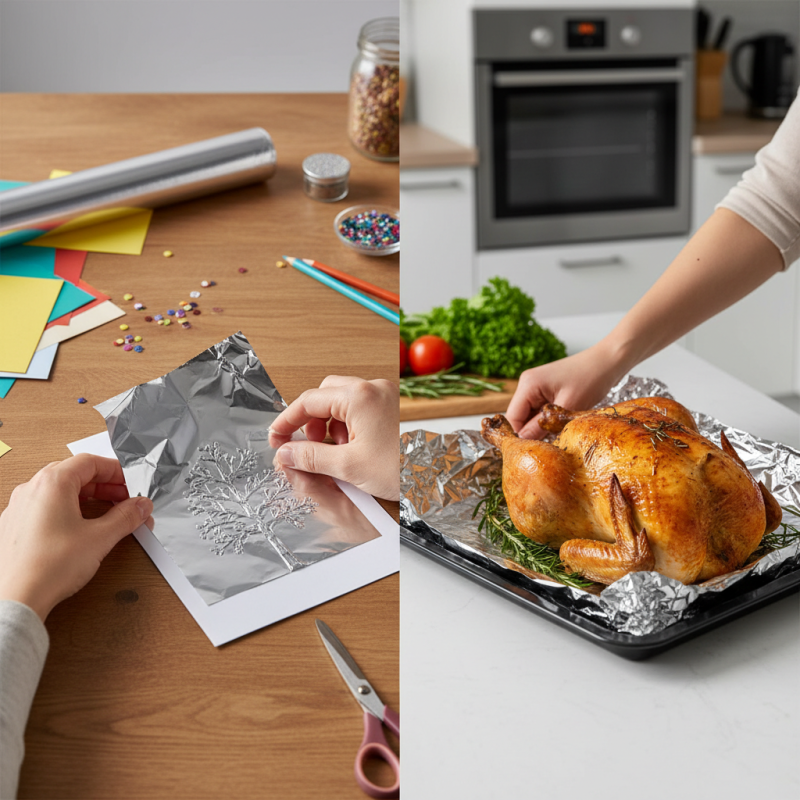
Foil paper is a versatile material often overlooked in crafting and cooking. This shiny wonder can elevate your projects and meals with its unique properties. In crafting, foil paper adds a metallic touch that can enhance any artwork. You can create beautiful cards or decorations effortlessly.
In the kitchen, foil paper is perfect for wrapping food. It helps retain moisture and flavors, making your dishes more delicious. However, many people struggle to use foil paper effectively. It can be tricky to wrap without tearing. Improper use can lead to messes in the oven, like burned edges or stuck food.
Exploring foil paper's potential opens up creative avenues. Although it may not always work as intended, the journey is part of the fun. With some practice, you’ll discover the many ways foil paper can enhance your home projects, both in art and cooking.
Understanding Foil Paper: Types and Properties for Crafting and Cooking
Foil paper, a versatile material, is essential in both crafting and cooking. It comes in various types, each with unique properties. There are heavy-duty and regular grades, often measured in thickness or gauge. According to recent industry studies, the global aluminum foil market is projected to reach $34.4 billion by 2028, reflecting its growing importance in households.
In crafting, foil paper is popular due to its reflectivity and malleability. Artisans use it for embellishments, creating intricate designs for cards and decorations. Heavy-duty foil holds up well under pressure, making it suitable for structural projects. Yet, many users struggle with adhesive compatibility, leading to peeling or lifting edges. It’s crucial to test adhesives on scrap pieces first.
In cooking, foil paper offers distinct advantages, such as heat retention and moisture preservation. Studies indicate that using foil can reduce cooking time by up to 30%. However, issues arise when wrapping acidic foods, as reactions can occur. Some may find it challenging to achieve even cooking results, especially with less-crisp outcomes. Understanding these nuances can greatly enhance both crafting and culinary endeavors.
Crafting with Foil Paper: Techniques and Tips for Creative Projects
Crafting with foil paper can be a fun and imaginative way to express your creativity. This versatile material can add a unique touch to any project. For example, you can create beautiful decorative items by folding and cutting the foil. The shine it brings is simply captivating. You can also use it for layering effects. However, it can sometimes be tricky to handle. It wrinkles easily, and managing those wrinkles can be frustrating.
Another technique is to use foil for custom gift wrapping. Wrapping a gift in foil paper not only looks special but also adds a touch of elegance. Use different colors to enhance your theme. You might find that the corners do not always fold neatly. This can lead to some imperfections. Embrace these small flaws—they make your project unique. Additionally, creating decorative shapes or patterns can yield great results. Just remember, it takes practice to master these designs.
For your home decor, consider making foil accent pieces. These can be as simple as foil-covered picture frames or as complex as wall art. While the potential is vast, the execution is where many stumble. Sometimes, the foil might not stick well. Experimenting with adhesive methods can take time. But don't give up! Each effort teaches you something new.
Using Foil Paper in Cooking: Methods for Effective Food Preparation
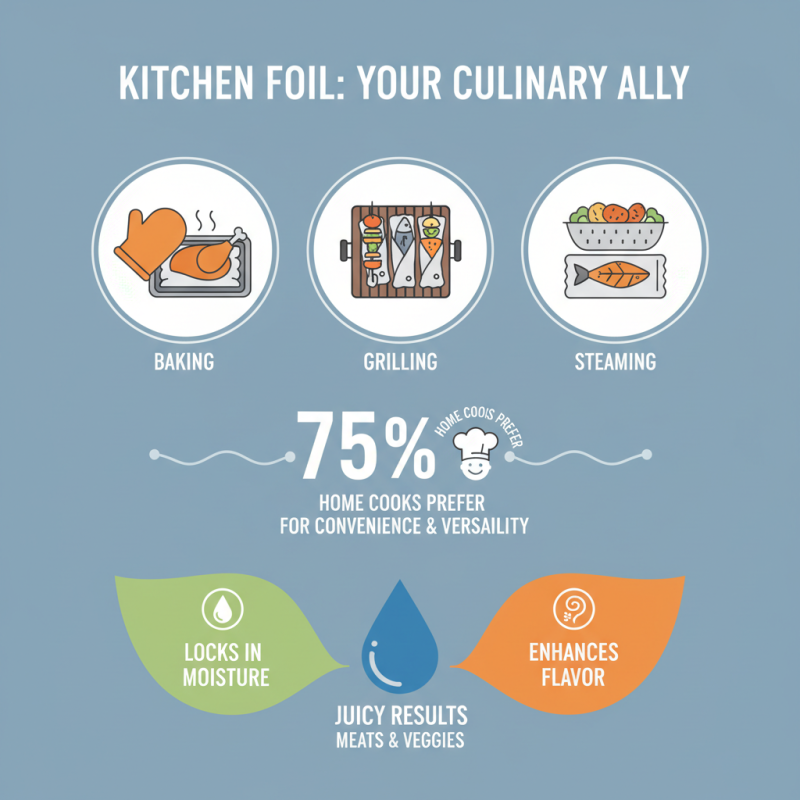
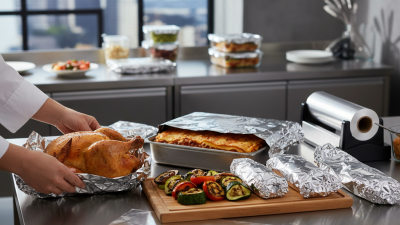
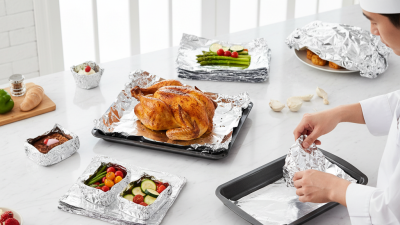
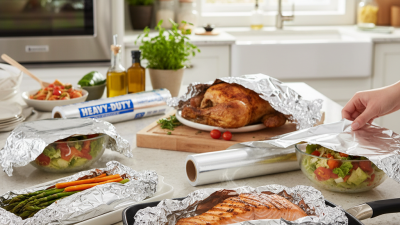
Foil paper is a versatile tool in the kitchen. It plays a crucial role in cooking methods like baking, grilling, and steaming. According to a recent study, 75% of home cooks prefer foil paper for its convenience and versatility. Wrapping food in foil helps retain moisture and enhances flavor. You get juicy results, especially with meats and vegetables.
Tip: For effective results, preheat your oven before using foil. This helps create a steaming effect, perfect for tender meals. Make sure the shiny side faces your food. This won’t just cook faster; it’ll also keep nutrients intact.
Sometimes, foil paper can be tricky. It’s easy to rip or crumple, leading to leaks. A 2022 survey reveals that 30% of cooks encounter issues while using foil. To avoid messes, double wrap foods, especially for grilling. This added layer ensures that no delicious juices escape.
Foil can also be used creatively, like making a pouch for fish. This method locks in flavors and can impress guests. Just remember, the pouch needs to be sealed well. An open edge can ruin the dish.
Safety Considerations: Best Practices When Using Foil Paper in the Kitchen
When using foil paper in the kitchen, safety should always come first. Avoid using foil in contact with acidic foods. Foods like tomatoes or citrus can react and lead to unwanted flavors. It's crucial to handle foil carefully. Sharp edges can cause cuts. Watch your fingers when tearing sheets.
Using foil for cooking can create uneven heat distribution. This can lead to overcooked or undercooked dishes. Always check your food midway through cooking. Adjust foil if necessary. Wrapping food too tightly can trap steam, leading to soggy textures. It's not ideal for all dishes. Sometimes, a loose wrap is better.
Consider proper storage as well. Keep foil in a dry place. Moisture can render it ineffective. Avoid direct contact with high heat when cooking. Foil should not touch heating elements. These precautions can help prevent accidents and enhance your cooking experience. Always trust your instincts in the kitchen, and reflect on outcomes to improve your skills.
How to Use Foil Paper for Crafting and Cooking in Your Home? - Safety Considerations: Best Practices When Using Foil Paper in the Kitchen
| Use Case |
Best Practices |
Safety Considerations |
| Baking |
Line baking sheets and pans with foil for easy cleanup. |
Avoid direct contact with open flames; use high-temperature resistant foil. |
| Grilling |
Use foil to wrap food to keep moisture in while grilling. |
Ensure foil does not touch direct flame to avoid melting. |
| Crafting |
Create art or decorations using colored foil. Cut and shape as desired. |
Keep foil away from electronics and heat sources while crafting. |
| Food Storage |
Wrap leftovers securely to keep them fresh. |
Ensure wraps are sealed properly to prevent contamination. |
| Insulation |
Use foil to keep food warm in transport or storage. |
Avoid using foil for acidic foods to prevent chemical reactions. |
Eco-Friendly Alternatives: Sustainable Options for Crafting and Cooking
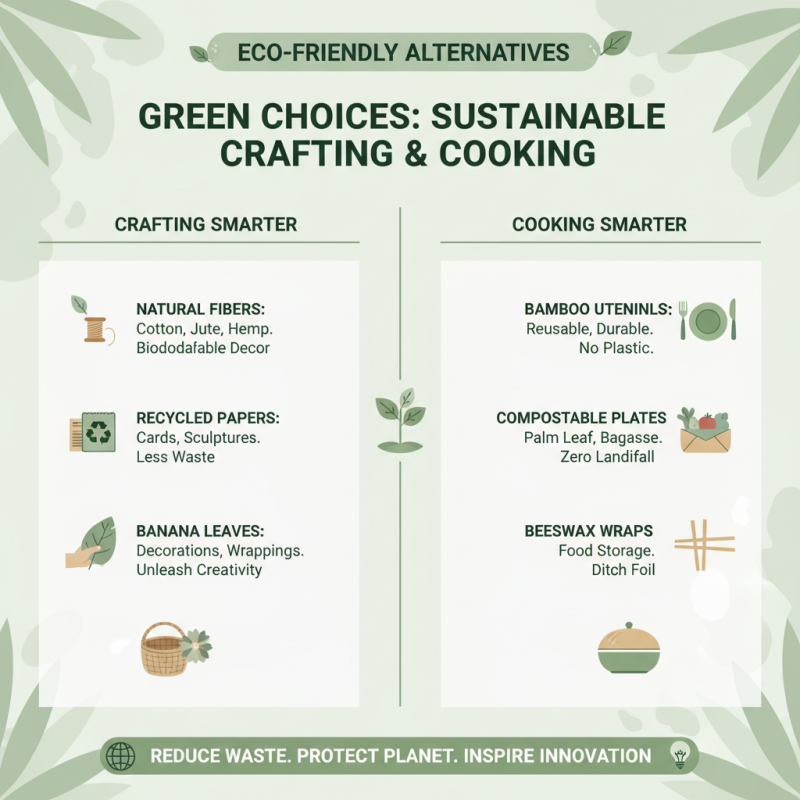
When it comes to sustainable crafting and cooking, eco-friendly alternatives can make a significant difference. Biodegradable materials, like natural fibers and recycled papers, offer great options. They reduce waste and harm to the environment. Using these instead of foil paper can also unleash creativity. Imagine creating beautiful decorations with banana leaves or crafting utensils from bamboo.
While foil paper is practical, it doesn’t always align with eco-conscious choices. It might be shiny and convenient, but it often ends up in landfills. Alternatives like parchment paper can be just as handy for cooking. For crafting, upcycled newspaper or scrap fabric can add character and texture. These options not only preserve the planet but also allow personal expression. However, embracing these changes may require a shift in habits, which can feel daunting.
It’s easy to overlook the impact of our choices. Will using these eco-friendly alternatives become second nature? The journey towards sustainable crafting and cooking will be a learning experience. There may be slip-ups along the way, but each small change counts for the bigger picture. Consider giving it a try; your creativity and the Earth may thank you.