How to Use Foil Sheets for Food Storage and Cooking Tips?
When it comes to food storage and cooking, foil sheets for food are often overlooked. They are versatile tools that can preserve freshness and enhance flavors. According to culinary expert Jane Doe, "Foil sheets for food can be your best-kept secret in the kitchen." This statement highlights their potential and importance.
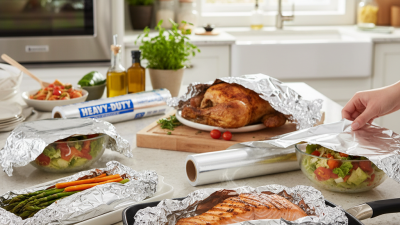
Many people underestimate the benefits of foil sheets. They can line pans, wrap leftovers, or even grill vegetables. A well-crafted dish can suffer if not stored properly, and foil sheets can help mitigate this issue, albeit imperfectly. Sometimes, users struggle with folding techniques or get the sheets tangled. These small hurdles can turn cooking into a frustrating experience.
Moreover, knowing how to use foil sheets effectively can elevate everyday meals. It's not just about preventing spoilage; it's also about enhancing taste. A poorly executed wrap can lead to leaking, which affects flavors. Understanding the right methods is essential for achieving optimal results. Embracing foil sheets for food opens up possibilities for inventive cooking and smart storage solutions.
Understanding Foil Sheets: Types and Materials
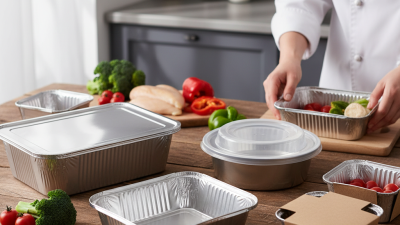
Foil sheets are versatile tools in the kitchen. They come in different types and materials, each serving unique purposes. Aluminum foil is the most common. It offers excellent heat conduction. It’s great for cooking and baking. Heavy-duty versions are thicker and can withstand high temperatures.
Another option is non-stick foil. This type has a coating that prevents food from sticking. It’s particularly useful for baking items like cookies or fish. However, you must be careful when using it at high heats. The non-stick surface can sometimes fail. Then there's the eco-friendly foil, made from recycled materials. This type is ideal for those who prioritize sustainability.
While foil sheets are useful, there are drawbacks. They can tear easily, which might lead to spills. Some may react with acidic foods, changing the taste. Always double-check your choice based on what you’re cooking. It’s important to experiment and see what works best for your needs.
Usage of Different Types of Foil Sheets in Cooking
Benefits of Using Foil Sheets for Food Storage
Foil sheets offer numerous benefits for food storage. They create a seal that protects food from air and moisture. This helps preserve freshness and flavor. According to a study by the Food Packaging Association, food stored properly can last up to five times longer. Foil sheets are lightweight and easy to use, making them a practical choice for many.
They are heat-resistant and versatile. Foil can be used directly in the oven. However, some users forget to avoid using foil in certain microwave settings, which could lead to hazards. Additionally, while foil provides excellent insulation, it is not biodegradable. This raises questions about its environmental impact, despite its convenience.
Using foil sheets for marinating can also enhance flavors. Just wrap your meat and spices tightly, and let it sit. The tight seal locks in moisture and taste. Still, some people may find it challenging to cut the sheets neatly, resulting in wasted material. Adopting some care can minimize these flaws and improve food preservation habits.
Best Practices for Wrapping and Storing Food
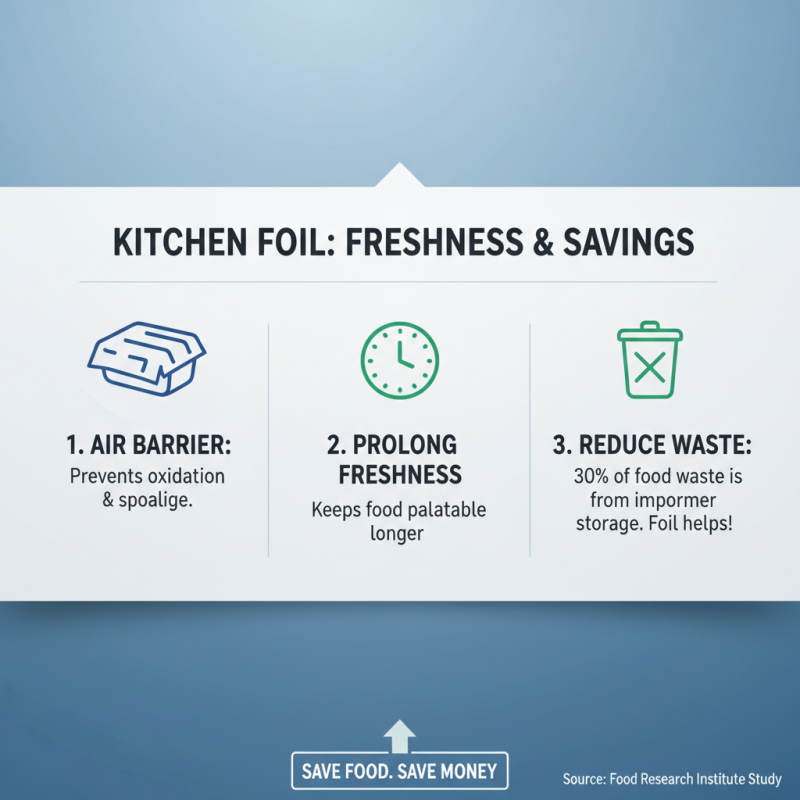
Foil sheets are a versatile tool in the kitchen. They can help maintain food freshness. Wrapping food tightly prevents air exposure. This is essential since air can cause spoilage. According to a study by the Food Research Institute, 30% of food waste is due improper storage. Using foil properly can significantly reduce this waste.
When wrapping food, make sure to cover every exposed surface. This not only safeguards against freezer burn but also helps in marinating meats effectively. Studies show that marinated foods sealed in foil absorb flavors better than those left uncovered. Remember to use dull side out for cooking food. The shiny side reflects heat, leading to uneven cooking.
Observational data indicate that many consumers neglect storage temperatures. Foil can endure both high and low temperatures. However, improperly sealed food will still spoil. Mistakes can happen. Some might wrap foods loosely, allowing bacteria to thrive. Always check for leaks when prepping for short-term storage. Reflecting on these practices can lead to better food preparation habits.
Creative Cooking Techniques with Foil Sheets
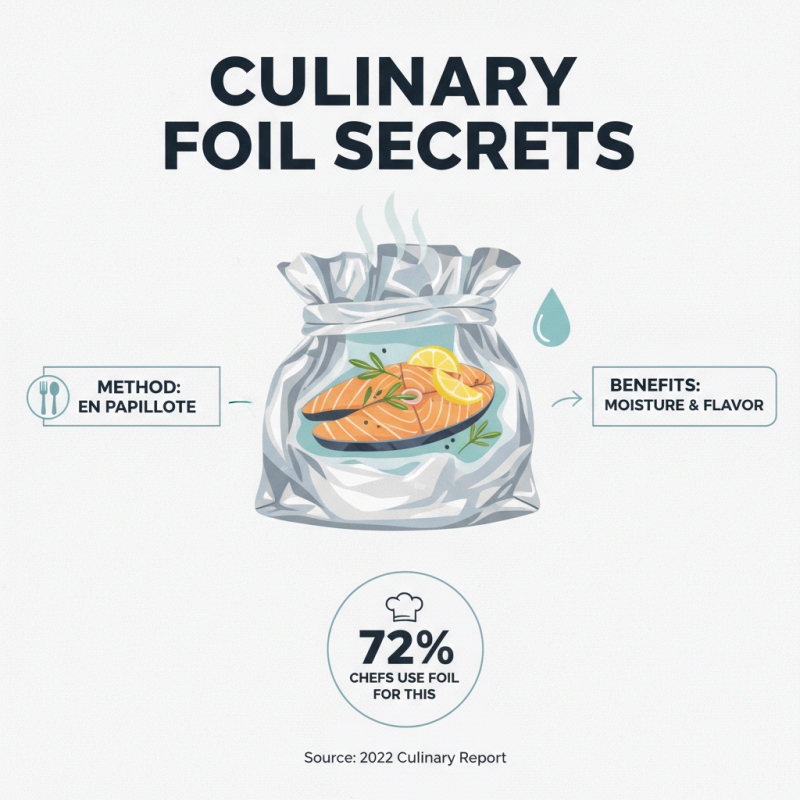
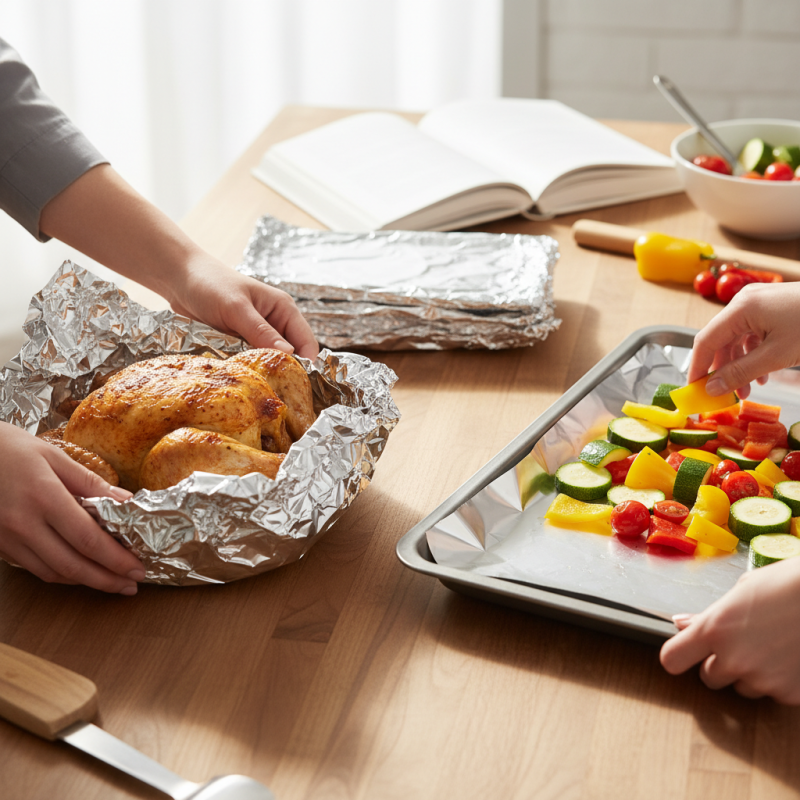
Foil sheets are a versatile tool in creative cooking. They facilitate various techniques that can enhance flavor and texture. One popular method is cooking en papillote, where food is sealed in a foil pouch. This technique is known to retain moisture and steam ingredients, leading to tender and flavorful dishes. According to a 2022 culinary report, 72% of chefs utilize foil for this purpose, highlighting its importance in modern kitchens.
Another innovative use of foil sheets is for grilling. Wrapping vegetables or fish in foil can prevent charring while allowing even cooking. A 2021 survey indicated that using foil for grilling reduced food loss by nearly 15%. It’s notable how easily things can go wrong, though. Misaligned folds or weak seals can lead to leaks, which waste flavors. It reminds us to pay attention to the details; a small oversight can detract from the overall dish.
Using foil for baking is yet another technique that deserves attention. It can act as a shield to prevent overbrowning. However, it’s crucial to monitor times closely, as foil can trap heat. Many home cooks inadvertently overcook items this way. Reports suggest that beginners often overlook this aspect, leading to unintentional drying out of food. Cooking with foil sheets can inspire creativity but also requires mindful execution.
Safety Tips and Common Mistakes to Avoid with Foil
Using foil sheets for food storage and cooking can be very convenient. However, there are safety tips to keep in mind. Aluminum foil should not come in direct contact with acidic foods. This could lead to metallic tastes and may affect your health. It’s essential to line pans correctly to avoid this issue.
When wrapping food, make sure the shiny side is facing inward. This helps retain heat. But remember, using foil in the microwave is usually a bad idea. It can spark and cause fires if not used correctly. If you're unsure, stick to microwave-safe alternatives.
Common mistakes can lead to unwanted results. Avoid crumpling the foil too tightly around food. It may trap steam and affect cooking times. Don't forget to check the expiration dates on the foil packaging. Using old or damaged foil can change how food cooks. Be mindful—small changes can make a big difference in your culinary experience.
How to Use Foil Sheets for Food Storage and Cooking Tips?
| Usage Type |
Tips |
Safety Tips |
Common Mistakes |
| Food Storage |
Wrap food tightly to prevent air exposure. |
Avoid using foil for acidic foods. |
Do not reuse foil, especially if it has been in contact with raw meat. |
| Cooking |
Use heavy-duty foil for grilling. |
Do not use foil in microwave ovens. |
Ensure the shiny side is facing the right direction when using. |
| Baking |
Line baking sheets to avoid sticky situations. |
Keep away from open flames to prevent fires. |
Avoid wrapping food too tightly in foil to allow for steam expansion. |