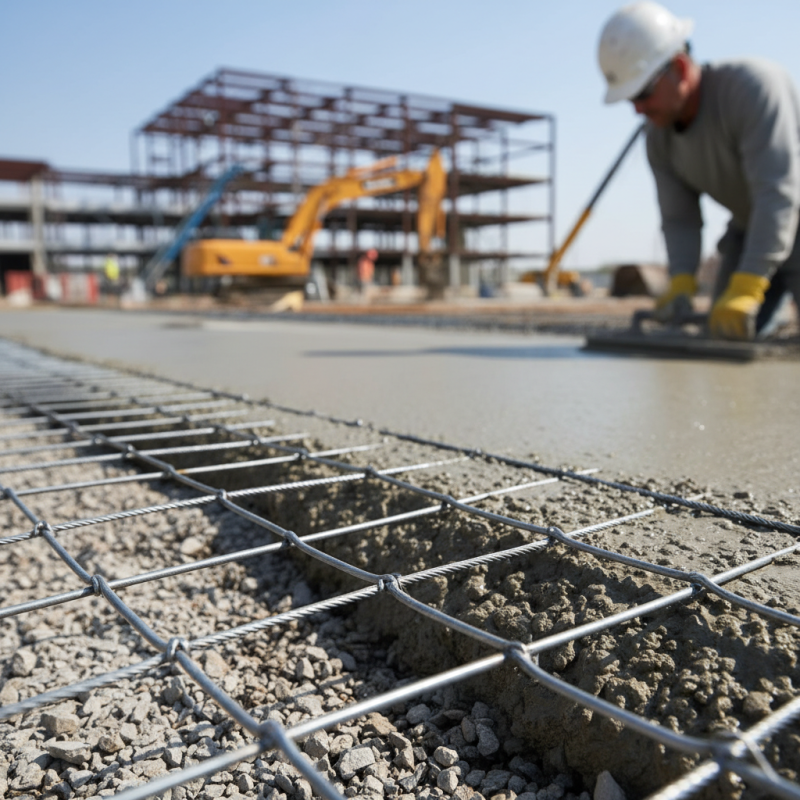
What is welded wire mesh and its uses in construction?
welded wire mesh is a crucial component in modern construction. It provides support, stability, and durability to various structures. John Smith, an industry expert with over 20 years of experience, states, "Welded wire mesh is indispensable for reinforcing concrete and ensuring structural integrity."
This material consists of steel wires welded together at intersections, forming a grid. It is often used in floors, walls, and slabs. The versatility of welded wire mesh makes it suitable for various applications, from residential buildings to large commercial projects. The strength it offers is vital for preventing cracks and shifting.
However, the industry faces challenges. Not all welded wire mesh products meet quality standards. This inconsistency can lead to structural failures. Builders must be vigilant in sourcing reliable suppliers. The future of welded wire mesh in construction depends on improved quality control and innovation.
Definition and Composition of Welded Wire Mesh
Welded wire mesh is a vital component in construction. It consists of steel wires that are welded together at intersections to form a grid. This simple yet robust structure offers great strength and durability.
In terms of composition, welded wire mesh typically uses carbon steel or stainless steel. The wires are usually available in various diameters, typically ranging from 1.2 mm to 6 mm. According to industry reports, the global welded wire mesh market is expected to grow significantly, reaching approximately $7 billion by 2025. This growth is driven by the increasing demand in construction and infrastructure projects worldwide.
One common use of welded wire mesh is in concrete reinforcement. It improves the tensile strength of concrete, helping to prevent cracking. However, improper installation or inadequate quality control can lead to failures. Additionally, welded wire mesh is sometimes overlooked in smaller projects, resulting in weakened structures. Such oversights highlight the importance of adhering to best practices in construction.
Welded Wire Mesh Uses in Construction
Types of Welded Wire Mesh Used in Construction
Welded wire mesh is a popular construction material. It consists of steel wires welded together to form a grid. This strong structure is used in various construction projects. Different types of welded wire mesh cater to unique needs. Understanding these types helps in selecting the right material for each application.
One common type is the standard welded wire mesh. It is widely used in slabs and floors. This type provides a strong foundation and supports concrete. Another type is the heavy-duty welded wire mesh. It is thicker and can handle more weight. This mesh is often used for industrial projects or where heavy loads are present.
Finally, there is also decorative welded wire mesh. This option combines functionality with aesthetics. It can be used for fences, partitions, or interior designs. However, a less attractive point is that some of this mesh can rust over time. Regular maintenance is needed to prevent deterioration. Each type of welded wire mesh has its pros and cons; choosing appropriately is crucial for a successful project.
Advantages of Using Welded Wire Mesh in Structural Applications
Welded wire mesh is a strong and versatile material. It consists of steel wires that are welded at intersections. This creates a grid-like structure. It is used widely in construction for various applications. Its structural integrity and durability make it ideal for reinforcing concrete.
Using welded wire mesh in structural applications offers many advantages. It is easy to install, saving both time and labor costs. The mesh can be cut to size, fitting different structures. Its robust nature provides excellent support for slabs, walls, and floors. This material also resists cracking and shifting. For instance, it can mitigate the risks of earthquakes. However, proper attention must be paid to its installation. Poor placement can lead to structural failures.
One concern is the potential for corrosion. While welded wire mesh is generally strong, exposure to elements can weaken it. Choosing the right protective coatings is essential. Additionally, ensuring a good bond with concrete is critical. These factors require careful consideration during planning. Overall, welded wire mesh remains a preferred choice despite these challenges. Its benefits often outweigh potential drawbacks, making it a go-to solution in modern construction.
Common Applications of Welded Wire Mesh in Building Projects
Welded wire mesh is a vital component in construction. Its structure consists of interwoven steel wires, creating a durable framework. This mesh is used in various applications, providing strength and stability.
In building projects, welded wire mesh is often utilized for concrete reinforcement. It enhances the tensile strength of concrete slabs and walls. This application helps prevent cracks and improve overall durability. In road construction, it stabilizes surfaces, ensuring longevity and safety.
Additionally, welded wire mesh serves as a foundation for fencing. Its strong design deters unwanted access to properties. Some may overlook its use in drainage systems. Proper installation can prevent soil erosion and water pooling. Yet, there are challenges to consider. Improperly placed mesh can lead to structural issues. Attention to detail is crucial for optimal results.
What is Welded Wire Mesh and Its Uses in Construction?
| Application | Description | Benefits |
| Reinforcement for Concrete | Welded wire mesh is used to reinforce concrete slabs and walls, adding tensile strength. | Increases load-bearing capacity and reduces cracking. |
| Fencing | Used as a fencing material for residential and industrial properties. | Provides security and visibility while being durable. |
| Temporary Structures | It serves in the construction of temporary walls and supports. | Easy to install and remove, offering flexibility on job sites. |
| Concrete Slabs | Used in flooring systems and roofs to support weight and provide stability. | Enhances durability and decreases the chances of structural failures. |
| Brick and Block Walls | Incorporated into brick and block walls for increased strength. | Improves overall wall performance and stability. |
Installation Methods and Best Practices for Welded Wire Mesh
Welded wire mesh is widely used in construction. Correct installation is crucial for its performance. First, ensure a clean and stable surface. Loose soil or debris can lead to misalignment. According to industry reports, over 30% of construction failures stem from improper installation techniques.
When placing the mesh, overlap edges by at least 6 inches. This can help maintain structural integrity. Use supports to hold the mesh in position during pouring. Workers should wear protective gear to avoid injuries. Industry standards recommend checking mesh tension. Too much slack can weaken the reinforcement.
After pouring concrete, curing is essential. Many builders underestimate this step. Proper curing enhances bonding between mesh and concrete. Reports indicate that curing can improve overall strength by up to 50%. However, remember that local weather affects curing time. Working in hot climates or high humidity requires adjustments. Observing these practices may seem tedious but is essential for a durable structure.