What is Wrapping Foil and Its Role at the 139th Canton Fair?
At the upcoming 139th Canton Fair, the spotlight will shine on wrapping foil, an essential material in various industries. As packaging expert Dr. Emily Jackson states, "Wrapping foil is more than protection; it enhances product appeal." This year, the fair will showcase innovative uses of wrapping foil in advanced manufacturing and food sectors.
The Canton Fair, scheduled for April 2026, includes cutting-edge technologies in packaging. With over 1.55 million square meters of exhibition space, the event promises a rich exploration of materials like wrapping foil. This versatile product not only preserves freshness but also differentiates brands on crowded shelves.
While the advancements are impressive, challenges remain. Some businesses struggle to adapt to sustainable practices in wrapping foil production. Moreover, many exhibitors may overlook the importance of educating consumers about recycling options. As we approach the fair, it’s vital to reflect on how wrapping foil can balance functionality and environmental responsibility. This balance will determine the future of the wrapping foil industry.

What is Wrapping Foil?
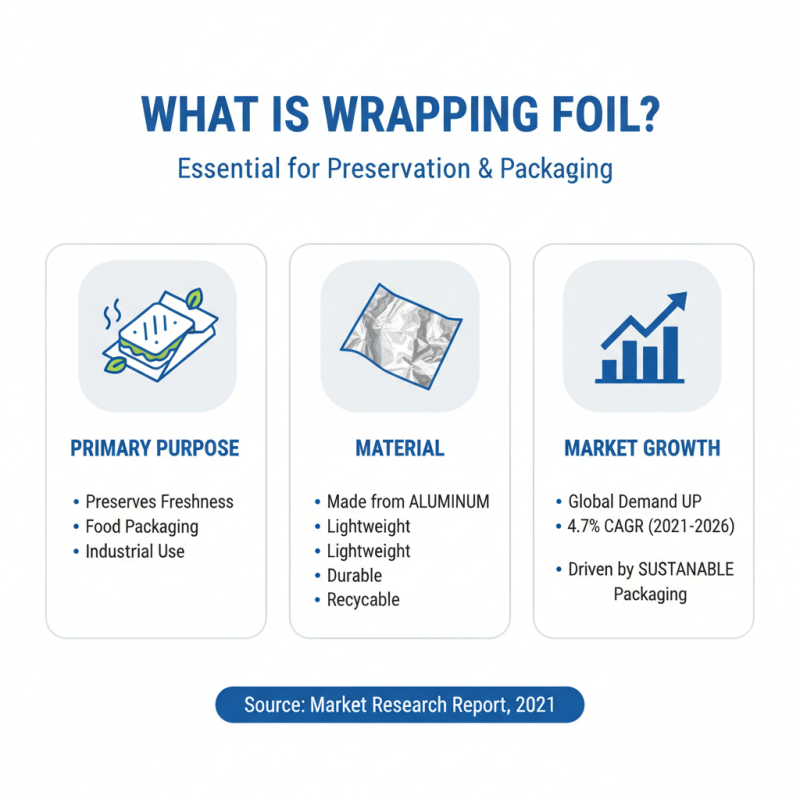
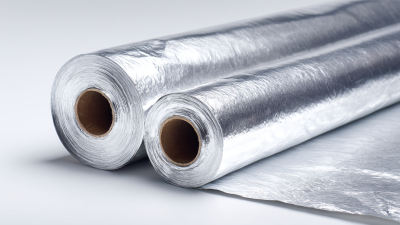
Wrapping foil is an essential material used in various industries, particularly in packaging and food service. Its primary purpose is to preserve the freshness of food items. This type of foil is often made from aluminum, which is lightweight yet durable. According to a market research report, the global demand for aluminum foil is expected to grow at a CAGR of 4.7% from 2021 to 2026. This growth is driven by the increasing need for sustainable packaging solutions.
In addition to food preservation, wrapping foil is also used in the construction and automotive industries. It serves as an effective insulator, improving energy efficiency in buildings. The versatility of this product is noteworthy, but industries often overlook its recyclability. Many businesses discard used foil improperly. This practice contradicts the principles of sustainability.
Tip: Always recycle your used wrapping foil. It can be reused multiple times and helps reduce waste.
Marketers need to understand the importance of consumer awareness regarding wrapping foil. Some buyers may prioritize biodegradable materials instead. While foil has its benefits, alternatives exist. Companies must adapt to changing consumer preferences. Balancing practicality and eco-friendliness remains a challenge, and many need to reflect on their approaches.
Key Properties and Types of Wrapping Foil
Wrapping foil is an essential product widely used in various industries. Its primary role is to protect food, equipment, and surfaces. Understanding its key properties and types can help businesses choose the right foil for their needs. Data from industry reports indicate that the global demand for wrapping foil has increased by 12% annually, highlighting its importance.
There are several types of wrapping foil available on the market today. Aluminum foil is the most common choice, known for its durability and heat-resistance. Plastic wrap offers flexibility, making it a good option for food-related applications. Biodegradable foils are gaining popularity due to rising environmental concerns. The market for these eco-friendly alternatives is anticipated to grow by 25% in the next five years.
Tips: When selecting wrapping foil, consider the specific requirements of your application. Evaluate factors like heat resistance and thickness. Test samples to determine the right fit for your needs. Regular reviews of your packaging materials could reveal improvements and guide your buying decisions. Without reflection, it’s easy to overlook advancements in wrapping options, which could benefit your operations.
What is Wrapping Foil and Its Role at the 139th Canton Fair? - Key Properties and Types of Wrapping Foil
| Property |
Description |
Type |
| Material |
Aluminum, Plastic, and Paper |
Aluminum Foil, Plastic Wrap, Kraft Paper |
| Thickness |
Varies from 10 to 300 microns |
Heavy-Duty, Standard, Lightweight |
| Thermal Resistance |
Resistant to high and low temperatures |
Heat Insulation, Freezer Safe |
| Usage |
Food wrapping, packaging, insulation |
Kitchen Use, Industrial Use |
| Environmental Impact |
Recyclable options available |
Biodegradable, Reusable |
Applications of Wrapping Foil in Various Industries
Wrapping foil is gaining traction across diverse industries. Its versatility makes it an essential material in packaging, food preservation, and even industrial applications. According to a recent industry report, the global aluminum foil market is projected to exceed $36 billion by 2028. This growth is driven by the rising demand for sustainable packaging solutions.
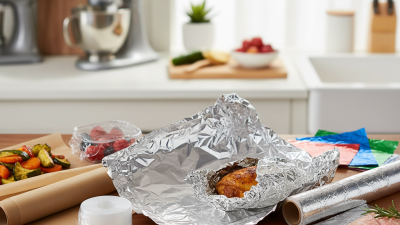
In the food industry, wrapping foil plays a critical role. It protects food from moisture, light, and contamination. Studies indicate that properly wrapped food can have a shelf life increase of up to 30%. However, not all foil products are recyclable, and this raises environmental concerns. Many companies are exploring eco-friendly alternatives, which could reshape the market landscape.
In the industrial sector, wrapping foil is used for insulation and electrical components. It helps reduce energy losses and increase efficiency in various applications. However, the reliance on traditional materials can limit innovation. Adopting new technologies in foil production may enhance performance but requires investment and research. Thus, industries are at a crossroads, needing to balance efficiency with sustainability.
Applications of Wrapping Foil in Various Industries
Highlights of the 139th Canton Fair: Wrapping Foil Edition
The 139th Canton Fair showcased a wide range of products, with
wrapping foil taking the spotlight. This packaging material is vital for
preserving food quality. According to industry reports, the demand for aluminum foil packaging is expected to grow at a
rate of 4.2% annually through 2028. This trend indicates a bright future for wrapped products in retail.
Tips: Consider choosing eco-friendly materials for wrapping. Sustainability
matters to consumers more than ever. Custom designs can also enhance brand appeal.
At the fair, manufacturers presented innovative wrapping foil solutions. These included
multi-layer films and biodegradable options. Many businesses faced
challenges in meeting sustainability goals. Some struggled with sourcing environmentally friendly materials. Balancing cost and quality
remains a common concern.
With the growing interest in health, wrapped food products are even more appealing. The convenience offered by such packaging
cannot be overlooked. However, producers must reflect on manufacturing processes and ensure they meet the latest regulations.
This is essential for maintaining consumer trust in a competitive market environment.