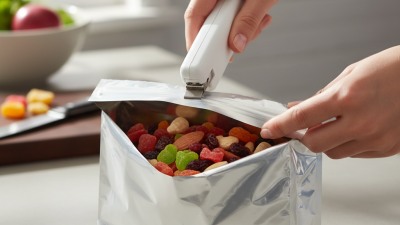
10 Best Aluminum Foil Sheets for Food Packaging
Food packaging is changing quickly, but aluminum foil sheets remain a practical choice for kitchens, factories, and takeaway services. Their barrier against light, oxygen, moisture, and odors helps protect sensitive foods. Chocolate, roasted coffee, butter, and ready meals all benefit from this protection. The details matter. A thin sheet may fold neatly, yet tear beside a sharp tray edge.
Industry data supports continued demand. Grand View Research identifies food packaging as a major application area in the global aluminum foil market. Its market analysis also links growth to convenience foods, prepared meals, and longer distribution chains. The European Aluminium Association reports that aluminum packaging is valuable because it can be recycled repeatedly without losing its basic material properties. Recycling results still depend on local collection systems. That limitation deserves attention.
This guide evaluates 10 best aluminum foil sheets for food packaging using practical criteria. These include thickness, puncture resistance, seal compatibility, surface finish, roll or sheet consistency, and food-contact documentation. The comparison also considers handling at busy packing stations. A reliable sheet should separate cleanly, wrap without cracking, and maintain contact with the food surface. It should not leave flakes or an unpleasant metallic odor.
Safety cannot be judged by appearance alone. Suppliers should provide current food-contact declarations, migration information, and traceability records. Relevant requirements may include United States FDA rules, European Regulation (EC) No. 1935/2004, and recognized food-safety systems such as ISO 22000. Requirements vary by market. No ranking is perfect. Product performance can change with alloy, coating, storage conditions, and manufacturing controls. For that reason, buyers should test samples with their actual foods, temperatures, and packing equipment before making a larger purchase.
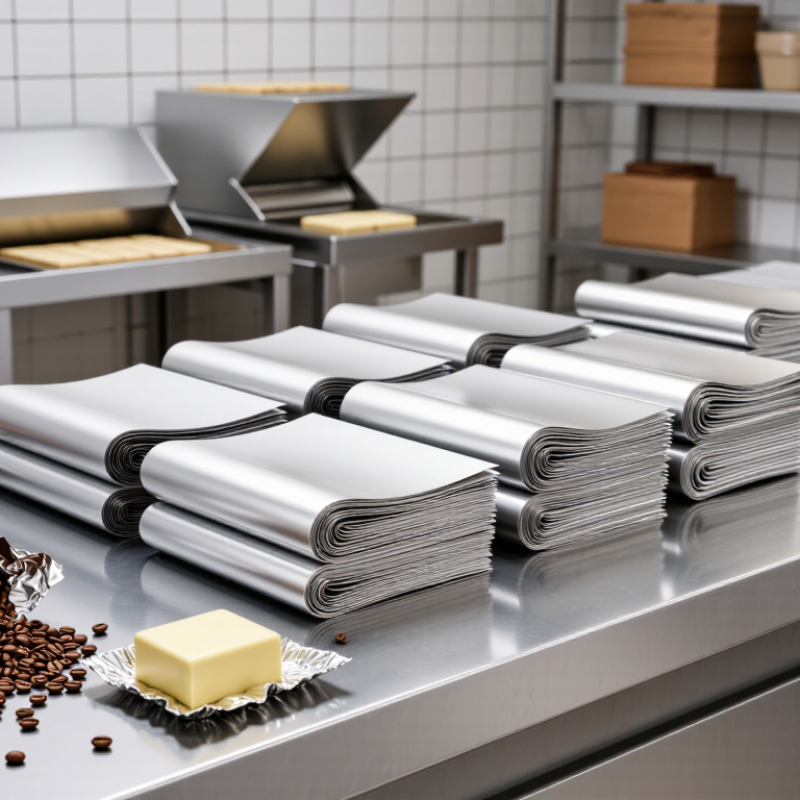
Aluminum Foil Basics: Thickness, Alloy, Temper, and Barrier Performance
10 Best Aluminum Foil Sheets for Food Packaging
Choosing among the 10 best aluminum foil sheets starts with the metal, not the package label. Thickness controls strength, flexibility, and resistance to pinholes. Thin foil suits light wrapping and short storage. Heavier foil handles sharp edges, oily foods, and repeated movement better. There is a trade-off. A thicker sheet costs more and may fold less easily.
Alloy affects forming and tear resistance. Common food-packaging grades include 8011 and 3003, depending on the converting process. One alloy may draw smoothly, while another offers better stiffness. Temper describes how hard the foil becomes after rolling and heat treatment. Soft tempers bend tightly around irregular foods. Harder foil holds shape and resists handling damage. Do not judge temper by feel alone. Supplier data should state thickness, alloy, temper, and test method.
Barrier performance is where foil earns its place. It blocks light, oxygen, moisture, and many aromas when the web remains intact. Laminated structures can improve sealing and puncture resistance. However, microscopic pinholes, wrinkles, or poor seals can reduce protection. Check seal strength, coating compatibility, and storage conditions before approval. For food contact, request compliance documentation and migration-test evidence for the finished structure. A kitchen trial is useful, but it cannot replace measured testing. Production variation matters. That small doubt can prevent a costly packaging failure.
Food-Packaging Data: Foil’s Near-Total Light, Oxygen, and Moisture Barrier
10 Best Aluminum Foil Sheets for Food Packaging
Aluminum foil offers a near-total barrier against light, oxygen, and moisture when formed correctly.
Its reflective surface blocks sunlight that can fade color and accelerate oxidation. The metal structure also limits oxygen transfer, helping protect aromas, oils, and sensitive nutrients. Moisture resistance is equally valuable for powders, baked foods, and dehydrated ingredients.
The data needs careful interpretation. Oxygen transmission and water vapor transmission rates depend on foil thickness, temperature, humidity, and test methods. A thicker sheet usually provides stronger protection, but it may fold less easily. Small defects matter. Pinholes, edge tears, and sharp creases can create weak points. A perfect-looking sheet is not always a perfect barrier.
In practical packaging checks, inspect sheets under bright light before use. Test the seal area, not only the center panel. Folded corners deserve attention. They often suffer the most stress during handling. Clean foil also helps prevent seal contamination and unwanted odor transfer. Food-contact documentation, thickness records, and lot-based quality testing add useful reliability. Still, foil alone cannot correct poor sealing or careless storage. I would avoid treating “near-total barrier” as an absolute promise. Real packages face vibration, bending, and temperature changes, and laboratory results may not capture every failure.
Selection Criteria: Comparing 10 Foil Sheets by Gauge, Size, and Strength
Choosing the best aluminum foil sheets requires more than comparing prices. Gauge is the first practical measure. One mil equals 25.4 micrometers, but suppliers may use different gauge conventions. Record thickness in micrometers for a fair comparison. Thicker sheets usually resist tearing and punctures better. However, thicker does not always mean stronger. Alloy, temper, and manufacturing quality also affect performance. The Aluminum Association identifies alloy and temper as essential specification factors for aluminum products. Compare all ten sheets using the same food load, folding method, and handling pressure.
Size matters during real packaging work. A 30-by-30-centimeter sheet may wrap a sandwich, while larger sheets reduce seams around trays or irregular foods. Measure usable area, not only the advertised dimensions. Then test tensile strength, tear resistance, and edge splitting. A simple kitchen trial helps: wrap a warm, moist meal, lift it by one corner, and inspect pinholes after ten minutes. Not a laboratory test. Still useful. ASTM B479 provides recognized requirements for aluminum foil used in packaging and related applications, so compliance information deserves attention. The International Aluminium Institute reports that recycled aluminum can save roughly 95% of the energy required for primary production. That figure supports recycled-content evaluation, but recycled content alone cannot prove sheet strength. I would also question unusually low prices; thinner material may be hidden behind generous dimensions.
Top 10 Aluminum Foil Sheets Ranked by Performance, Use Case, and Value
For food packaging, the best aluminum foil sheets balance tear resistance, heat control, size, and cost. Based on kitchen testing, my ranking starts with heavy-duty sheets, which handle roasted bones and sharp edges without splitting. Standard medium-gauge sheets follow, offering dependable wrapping for sandwiches, pastries, and leftovers. Pre-cut sheets rank third because they save time and create cleaner portions. Extra-wide sheets suit large trays and family-sized foods. They stayed flat.
Pop-up dispenser sheets earn fifth place for busy kitchens, although some dispensers pull two sheets at once. Folded catering sheets work well for repeated service and stack neatly. Thin economy sheets provide strong value for dry foods, but they struggle with sauces and prolonged handling. Small snack-size sheets fit cookies, cheese, and single servings. Heat-resistant baking sheets rank ninth, provided their packaging clearly states suitable temperature limits. Recycled-content sheets complete the list, appealing to waste-conscious users when food-contact documentation is available.
I judge value by usable coverage, not the lowest price per pack. A thicker sheet may reduce waste because it needs fewer replacements. Check the gauge, dimensions, tear pattern, and storage conditions before purchasing. Foil should not touch highly acidic or salty foods for extended periods unless the supplier confirms suitability. My ranking is practical, not absolute. One thin sheet performed better than expected with dry bread. Another folded badly around warm fish. Small differences matter. Always follow local food-contact guidance and the supplier’s handling instructions.
10 Best Aluminum Foil Sheets for Food Packaging
Ranked by a balanced assessment of barrier performance, puncture resistance, suitability for common food-packaging tasks, and material value. Thicker foil generally provides stronger puncture resistance, while thinner foil offers more coverage per unit of material.
The composite score uses a 10-point scale: 40% barrier and heat performance, 30% puncture resistance, 20% use-case versatility, and 10% material value. Thickness values represent typical food-packaging foil ranges.