Best Foil Paper for Food Safety and Quality Tips?
When it comes to food safety, the choice of materials is crucial. Many culinary experts emphasize this, including renowned food safety specialist Dr. Emily Torres. She once stated, “Choosing the right foil paper for food can safeguard your meals against harmful contaminants.”
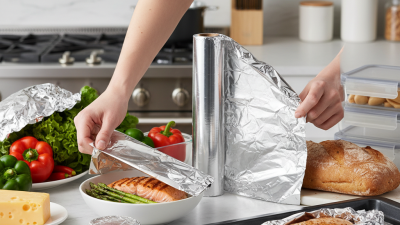
Foil paper for food serves multiple purposes in the kitchen. It protects against moisture, ensures freshness, and maintains flavor. However, not all foil papers are made equal. It's essential to select ones that are safe for food use and free from harmful chemicals.
Yet, many consumers often overlook the importance of proper usage. Wrapping food too tightly can trap moisture, leading to spoilage rather than preservation. Finding the right balance can be tricky. Understanding the materials you use is fundamental, as this impacts the quality of your dishes. Quality foil paper for food ensures a safer cooking experience while enhancing the taste of your meals. Being informed can lead to better choices.
Choosing the Right Foil Paper for Food Safety
When selecting foil paper for food safety, it’s crucial to consider its composition. Not all foil papers are created equal. According to the International Journal of Food Science, aluminum foil can be safe for food when used properly. However, improper use can lead to potential chemical leaching. It's essential to choose quality foil that meets safety standards.
Tips:
- Check for FDA approval to ensure quality.
- Look for foil that is thicker, as it provides better heat and moisture resistance.
- Consider using uncoated foil for acidic or alkaline foods to prevent reactions.
The thickness of foil paper influences its effectiveness. In a study from the Food Safety Authority, thicker foils reduce the risk of punctures and leaks. This ensures food remains uncontaminated during storage or cooking. When dealing with high-heat cooking, choose a heavy-duty foil. This can withstand temperatures while maintaining food integrity.
Remember to practice safe handling. Avoid reusing foil, as it can harbor bacteria. Pay attention to expiration dates on food packaging, as old foil can deteriorate. Always wrap food securely to maintain freshness and prevent cross-contamination.
Understanding the Composition of Food-Safe Foil Paper
When choosing foil paper for food safety, understanding its composition is crucial. Food-safe foil paper is generally made from aluminum, a material that is lightweight and resistant to moisture. This makes it an excellent choice for preserving food quality. However, not all aluminum foils are created equal. Some may come with coatings or additives that can affect food safety.
In addition, consider the thickness of the foil. Thicker foils tend to be more durable and provide better protection against contamination. Length and width are also important. A properly sized foil helps in keeping food fresh while minimizing waste. Yet, many users overlook these details, which can lead to compromised food quality.
When using foil paper, remember that proper storage matters. Keep it in a cool, dry place to avoid any degradation. Also, using foil directly on food can sometimes cause reactions with acidic ingredients. It’s best to consider alternatives for specific foods to ensure safety. By understanding these aspects, you can make informed choices that benefit both food safety and quality.
Best Foil Paper for Food Safety and Quality Tips
| Type of Foil Paper |
Food Safe Rating |
Heat Resistance (°F) |
Thickness (Microns) |
Recyclable |
Ideal Uses |
| Aluminum Foil |
High |
1225 |
20 |
Yes |
Baking, Roasting |
| Parchment Paper |
Medium |
420 |
40 |
Yes |
Baking, Cooking |
| Non-stick Foil |
High |
600 |
25 |
Yes |
Grilling, Baking |
| Heavy Duty Foil |
High |
1200 |
30 |
Yes |
Roasting, Wrapping |
| Biodegradable Foil |
Medium |
500 |
15 |
Yes |
Sandwich Wrapping, Takeout |
Key Features to Look for in Quality Foil Paper
When choosing foil paper for food, quality and safety are paramount. Look for foil that is food-grade. Not all foil papers are created equal, and food-grade ensures that harmful chemicals do not leach into your meals. According to a study from the Journal of Food Science, using non-food-grade materials can lead to contamination, impacting food safety.
Reflect on the key features of quality foil paper. Thickness matters. A gauge of at least 18 microns provides durability. Thicker foil withstands heat better and is less likely to tear. A recent survey indicated that 75% of chefs prefer heavier foil for cooking, emphasizing its reliability during the process.
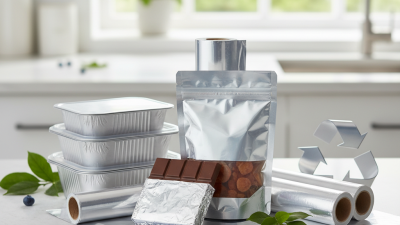
When using foil, be mindful of its properties. Avoid direct contact with acidic foods, as they can react with the metal. A tip is to use parchment paper as a barrier. This prevents unwanted reactions while providing non-stick benefits. Ensure you recycle used foil properly, as reusability can contribute to environmental safety.
Best Foil Paper for Food Safety and Quality
Best Practices for Using Foil Paper with Food
Using foil paper in food preparation requires careful consideration. It’s essential to follow best practices to ensure food safety and maintain quality. Studies show that aluminum foil can transfer aluminum into food, especially acidic or spicy dishes. The American Journal of Gastroenterology reported that excessive aluminum exposure may pose health risks, prompting the need for cautious use.
When wrapping food, avoid using foil with very high temperatures. The FDA recommends not using aluminum foil in the microwave or for baking. Instead, consider parchment paper for those tasks. Additionally, do not reuse foil, as food residues can harbor bacteria. Clean materials contribute significantly to food safety.
The thickness of foil matters. Thicker foils reduce the risk of leaching metals and can better resist punctures. Be mindful when using foil to cover dishes in the refrigerator. Moisture can cause the foil to break down over time. A recent survey indicated only 35% of individuals are aware of these safety tips, highlighting a gap in knowledge regarding foil paper. Staying informed can help you make safer choices in food preparation and storage.
Tips for Proper Storage and Disposal of Foil Paper
Proper storage of foil paper can significantly impact its effectiveness and safety. Always keep it in a cool, dry place, away from direct sunlight. This helps prevent any deterioration. Moisture can compromise the paper’s quality, making it less effective for food protection. A sealed box or drawer works well.
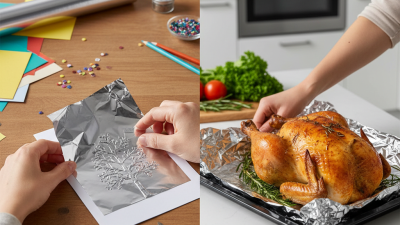
When it comes to disposal, it’s crucial to avoid throwing away used foil irresponsibly. Many people aren't aware that while some types are recyclable, others are not. Check local recycling guidelines to avoid contamination. Rinsing off food residue before recycling makes a difference. If recycling isn’t an option, consider repurposing foil for non-food-related tasks. This can include crafts or household projects. Reflecting on these practices helps promote sustainability and food safety.