China Top Aluminum Wrap Suppliers What Should Buyers Know?

China’s aluminum wrap market offers buyers a wide range of suppliers, specifications, and service models. The challenge is separating dependable production from polished sales language. A low quotation may look attractive, but alloy, temper, thickness tolerance, roll width, and packaging details affect performance and total cost. Ask for a current technical data sheet and a sample roll. Check how the material unwinds, cuts, and holds its shape in your actual process.

Supplier evaluation should also cover production capacity, inspection records, lead times, export packing, and communication after an order is placed. Request documented test results where relevant, and confirm that samples match the proposed production specification. Small details matter. A crushed core or inconsistent winding can disrupt a packing line, even when the foil itself appears acceptable. Price still matters, of course, but it should be compared against equivalent specifications and delivery terms.

A named expert quotation can strengthen this introduction, but no source material was provided to verify one. Rather than invent a statement or attribute words to a real person, buyers should use a quotation only after checking its original publication and exact wording. That caution reflects the same principle buyers need when assessing aluminum wrap suppliers: verify the evidence, not just the claim.
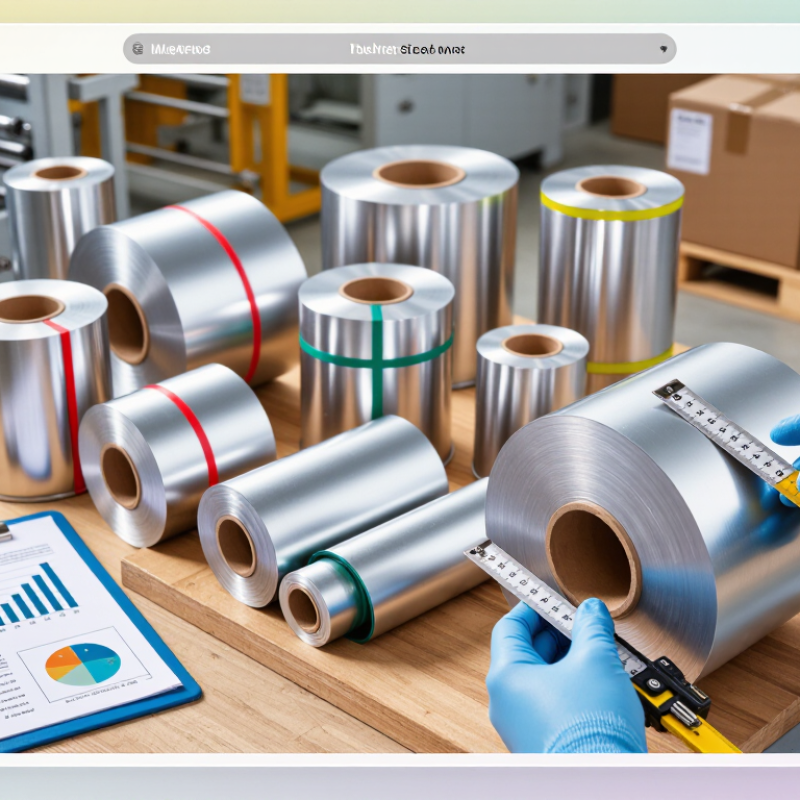
China Top Aluminum Wrap Suppliers What Should Buyers Know?

Understanding Aluminum Wrap and Its Common Applications

Aluminum wrap is thin rolled aluminum foil, valued for blocking light, moisture, odors, and much oxygen. It is common in kitchens for covering dishes, wrapping sandwiches, and lining trays. In food processing, foil may also form part of a laminated pouch or carton layer. These composites combine foil’s barrier performance with paper or plastic’s strength and sealability. The European Aluminium Foil Association reported about 886,000 tonnes of European foil deliveries in 2023, across packaging and technical uses. That figure shows the material’s scale, though it does not mean every delivery was household wrap.

Thickness and construction shape practical use. A light foil suits covering a bowl, while heavier foil is less likely to tear around a roast or sharp tray edge. For takeaway containers, insulation and lid fit matter too. Some details matter. Foil can help retain heat, but it does not keep food hot indefinitely; safe holding depends on time and temperature. Buyers comparing suppliers should check thickness, alloy, roll width, temper, and whether the product is plain foil or laminated. A shiny surface alone proves little. I would also test a sample on the intended container, since “heavy duty” can mean different things across suppliers. EAFA’s market statistics offer useful industry context, but product specifications still need checking against the actual application.

How to Evaluate Aluminum Wrap Suppliers in China

Evaluating aluminum wrap suppliers in China starts with measurable specifications, not polished sales claims. Request the alloy, temper, thickness tolerance, roll width, core size, and pinhole limits in writing. Then compare them with a sample roll: measure foil at several points and check for tears, uneven edges, and loose winding. Small differences matter. Ask for recent inspection records and confirm that test reports match the exact product and production site. For food-contact use, request relevant material declarations and migration-test results for the intended market.

Traceability deserves equal attention. The International Aluminium Institute reports that recycling aluminium can use about 95% less energy than producing primary metal. If recycled content matters to your project, ask for batch-level evidence rather than relying on a general sustainability statement. Check how the supplier separates and records materials. A neat certificate folder is helpful, but it cannot prove consistent roll quality by itself. Request a small production trial, review defect records, and confirm how complaints and replacements are handled. No audit catches everything; keep samples from each shipment and compare them against the approved specification.

China Top Aluminum Wrap Suppliers: What Buyers Should Know

Use foil thickness as one practical point of comparison when evaluating supplier quotations. The chart shows common nominal thickness reference points, not supplier-specific data or a market survey.

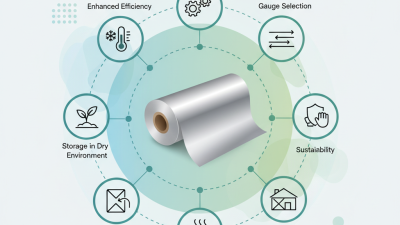
Before ordering, confirm the required thickness and tolerance, alloy and temper, roll dimensions, applicable product standards, and inspection documentation. Ask suppliers to provide samples and test results against the same specification.

Supplier Capabilities, Product Options, and Customization

When comparing China’s aluminum wrap suppliers, buyers should examine production capability, not only the quoted price. Ask about alloy and temper options, thickness tolerances, roll consistency, and inspection records. A supplier should explain how it checks for pinholes, edge damage, and uneven winding. Requesting a sample roll can reveal problems that a specification sheet may miss.

Product choices often include different foil thicknesses, widths, roll lengths, and core sizes. Household rolls may need easy-tear edges and compact cartons, while catering or industrial orders may require wider rolls and heavier gauges. Small details matter. Confirm the net foil weight, winding direction, and packaging protection, especially if products will travel long distances or sit in storage.

Customization can cover slit widths, embossed surfaces, printed cartons, labels, and private packaging. Share drawings or clear measurements, then ask for a pre-production sample before approving a large run. Discuss minimum order quantities, tooling costs, delivery windows, and how changes are handled after approval. It is easy to over-specify a product; extra thickness may raise cost without solving the actual use problem. A small trial order can help buyers test handling, cutting, and performance in real conditions.

Quality Standards, Pricing, and International Shipping

For aluminum wrap, quality should be checked against the job it must do. Ask suppliers for the alloy, temper, thickness tolerance, roll width, and core dimensions. Request recent test reports and confirm whether their food-contact documentation matches your destination market. Requirements can vary. A sample roll helps reveal pinholes, uneven edges, or foil that tears too easily during dispensing. Check several rolls, not just the best-looking one. No checklist catches every defect, and that limitation is worth admitting.

Price depends on more than the quoted cost per roll. Thickness, alloy, order quantity, packaging, and printing can all change the final figure. Compare quotes using the same specifications and ask which costs are excluded. A low price may reflect a thinner product or a larger minimum order. Ask for a sample and a written specification before agreeing to production. One comparison may still be imperfect if suppliers use different testing methods.

For international shipping, confirm the shipping term, destination charges, production time, and estimated transit time in writing. Ask how rolls will be protected from moisture and crushed edges; sturdy cartons and dry storage matter. Before dispatch, review the packing list and arrange an inspection if the order is large. Build in extra time for customs processing and port delays. The schedule on paper is not always the schedule at the dock.

How Buyers Can Verify Suppliers and Reduce Procurement Risks

When evaluating aluminum wrap suppliers, start with details that can be checked. Request a written specification covering alloy, thickness tolerance, width, temper, roll length, and core dimensions. Compare it with a sample measured using a micrometer and scale. Small differences matter. They can affect sealing, cutting, and line speed.

Ask for recent test reports, batch records, and an explanation of how material is traced from production to shipment. Verify that reports match the product and production site, rather than relying on a certificate image alone. If food-contact use is relevant, confirm that the documentation covers the intended application. Arrange a video walk-through or independent inspection when order size justifies the cost. A polished factory video is not proof of consistent output.

Before placing a large order, set clear acceptance limits for pinholes, edge damage, roll winding, and packaging. Test a small batch on your own equipment. Record defects, delivery time, and how quickly the supplier responds to problems. Use payment milestones tied to agreed checks where practical. This takes extra effort. Still, a rushed sample review can create a longer, more expensive delay later. I would not treat one successful shipment as a guarantee; production consistency needs ongoing checks.