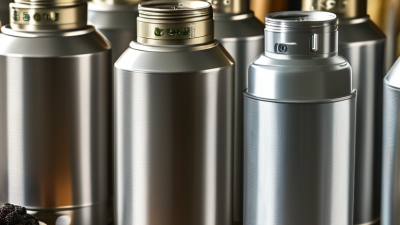
Why choose aluminium packaging for global supply chains? The answer begins with resilience, not fashion. A 330-millilitre can can travel through humid ports, crowded warehouses, and refrigerated retail without breaking like glass. Its low weight can reduce handling effort and transport mass. That matters when a shipment crosses several borders. Small details matter.
According to the International Aluminium Institute, recycling aluminium uses around 95% less energy than producing primary aluminium. This difference gives aluminium packaging a strong circularity advantage. The Ellen MacArthur Foundation also describes metals as valuable permanent materials when collection systems keep them in use. Aluminium can be recycled repeatedly without losing its essential material properties. Yesterday’s can may return as tomorrow’s can. That is a practical supply-chain benefit, not merely an environmental slogan.
The commercial case is not flawless. Primary aluminium production remains energy intensive, especially where electricity comes from fossil fuels. Recycling performance also varies between countries, cities, and collection systems. The Aluminium Stewardship Initiative’s standards stress responsible sourcing, emissions transparency, and credible chain-of-custody practices. These expectations help buyers assess suppliers beyond price and delivery speed. Still, the data needs careful interpretation. A recyclable package is not automatically recycled. A lighter format is not automatically lower impact. Companies should compare material thickness, recycled content, transport distance, energy sources, and end-of-life access before switching formats. For many international products, aluminium packaging offers a durable, stackable, and increasingly circular option. Its strongest argument is measurable performance, supported by better procurement decisions and honest lifecycle assessment.
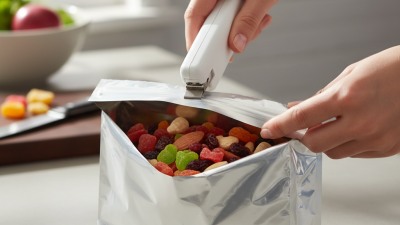
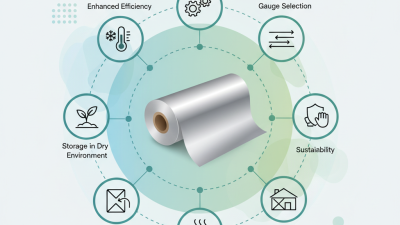
Aluminium packaging is a protective container made from aluminium sheet, foil, or formed material. It appears as cans, trays, tubes, pouches, lids, and closures. Manufacturers shape it through pressing, drawing, folding, or heat sealing. Its thin structure reduces weight while providing strong protection against light, oxygen, moisture, and outside odours.
It is widely used for food, beverages, medicines, cosmetics, and household products. A sealed aluminium tray can protect prepared food during storage and transport. Foil layers help maintain product quality inside flexible pouches. Rigid containers withstand stacking, vibration, and temperature changes across long supply routes. Packaging engineers also check seal strength, coating performance, and product compatibility before distribution. Food-contact and pharmaceutical applications require documented testing and traceability.
It is not a perfect material. Producing primary aluminium requires significant energy, although recycling usually uses far less. Local collection systems may also struggle with small foil pieces or mixed-material packs. This affects real recovery rates. Good design therefore matters: clear material identification, minimal coatings, and easy separation can support recycling. Supply-chain teams should review transport distance, filling equipment, storage conditions, and end-of-life facilities together. A package that performs well in one market may fail elsewhere. The practical choice depends on verified performance, not appearance alone.
Aluminium packaging supports supply chain efficiency through low weight, strong protection, and consistent dimensions. Standardized containers stack neatly on pallets and reduce unused warehouse space. This can simplify loading plans and lower handling time across road, sea, and air transport. Aluminium also blocks light, oxygen, and moisture, protecting sensitive products during long journeys. That barrier matters when shipments cross humid ports or face sudden temperature changes.
Durability reduces avoidable losses. A dent-resistant container may arrive intact after repeated transfers, although no package is damage-proof. This limitation deserves attention. Poor closures, incorrect sizing, or rough handling can still create waste. Aluminium is recyclable, but collection systems differ between regions. Supply chain teams should check local recovery capacity before making environmental claims. In my experience, packaging decisions work better when tested with real pallet patterns, transit routes, and warehouse equipment. Specifications alone can mislead.
Tips: Measure empty space before changing formats. Test seals after vibration and temperature exposure. Record damage rates by route. Compare packaging weight, product protection, recycling access, and total logistics cost. Small trials reveal problems early. Keep the data visible. That supports practical decisions and more reliable global distribution.
Aluminium packaging protects products through long, demanding transport routes. Its strong barrier blocks light, moisture, oxygen, and many external contaminants. This matters when cargo crosses humid ports, dry warehouses, and changing climates. In practical packing operations, sealed aluminium containers can reduce exposure-related damage during storage and transit.
It stays light. Lower package weight can reduce handling effort and freight pressure, especially across air and road networks. Workers can lift more comfortably, while automated lines may process consistent formats with fewer interruptions. Aluminium also withstands vibration, stacking, and repeated movement better than many fragile packaging materials. Its surface does not absorb water, which helps during temporary outdoor loading.
However, aluminium is not flawless. Thin walls may dent under sharp impact, and damaged seals can weaken product protection. Packaging teams should match thickness, closure design, and internal cushioning to the cargo. A quick drop test is useful, but it cannot replace testing across temperature, humidity, and transit vibration. That detail is sometimes overlooked.
Durability also supports longer storage cycles. Containers can remain stable on pallets without collapsing when properly designed. Their light weight and resistance create a practical balance between protection and logistics efficiency. Yet every supply chain has different risks. The best choice depends on product sensitivity, route conditions, handling equipment, and verified performance data.
Why Choose Aluminium Packaging for Global Supply Chains?
Environmental Impact and Recycling Potential of Aluminium Packaging
Aluminium packaging can reduce transport weight, but its environmental value depends on what happens after use. Lightweight containers require less fuel during distribution. Yet primary aluminium production remains energy intensive. The International Aluminium Institute reports that recycling aluminium uses about 5% of the energy required for primary production, saving up to 95% of production energy.
That loop matters. Aluminium can be recycled repeatedly without losing its basic material properties. The Institute also estimates that roughly 75% of all aluminium ever produced remains in use today. This supports long-term material security for global supply chains. However, recycling is not automatic. Collection systems, sorting accuracy, contamination, and local smelter capacity determine whether packaging returns to production.
Collection decides outcomes.
A practical supply-chain review should examine packaging weight, recycled content, transport distance, and recovery access in each market. A container may be technically recyclable but still reach landfill where collection is weak. The United Nations Environment Programme stresses that circular systems require better design, infrastructure, and resource efficiency. That warning deserves attention. Aluminium is not impact-free, and claiming otherwise would mislead buyers. Energy sources also change its footprint significantly. More renewable electricity can reduce production emissions, but better recovery remains essential. Procurement teams should request verified recycled-content data and lifecycle evidence, not rely on attractive sustainability claims.
Environmental Impact and Recycling Potential of Aluminium Packaging
Recycled aluminium requires approximately 95% less energy than primary aluminium production. This substantial energy advantage, combined with aluminium’s ability to be recycled repeatedly with limited material degradation, can support lower-impact packaging systems and more resource-efficient global supply chains.
Data benchmark: primary aluminium production = 100; recycled aluminium production ≈ 5. Based on the widely reported industry lifecycle estimate that aluminium recycling saves about 95% of the energy required for primary production.
Why Choose Aluminium Packaging for Global Supply Chains?
When choosing aluminium packaging globally, start with product protection, not appearance. Aluminium blocks light, moisture, oxygen, and many external contaminants. This helps products survive long ocean routes and changing warehouse temperatures. However, packaging performance depends on thickness, coating, seals, and closure design. A weak seal can cancel the material’s advantages. Test filled samples under vibration, pressure, humidity, and temperature changes before approving large volumes.
Cost needs a wider view. Aluminium may reduce breakage and support efficient stacking, but forming and tooling expenses can be significant. Check local production capacity, transport distance, customs requirements, and recycling infrastructure. Specifications should also reflect regional filling equipment and handling practices. A container designed for one line may perform poorly on another. That detail is easy to overlook. Aluminium is not automatically the greener choice, either. Energy used during production matters, while recycled content and reliable collection can improve its overall impact.
Tips: Compare suppliers using the same technical checklist. Request migration, corrosion, seal-strength, and drop-test data. Confirm that coatings suit the product and storage conditions. Keep a small trial shipment in the plan. It may reveal denting, labeling problems, or closure failures that laboratory tests miss. Review the design after real delivery data arrives. The first version is rarely perfect.
| Decision Dimension | Typical Aluminium Packaging Data | Global Supply-Chain Implication | What to Verify Before Selection |
|---|---|---|---|
| Material Density | Approximately 2.70 g/cm³ for aluminium. | Higher density than many plastics but substantially lower than steel, supporting lightweight rigid formats when designs are optimized. | Compare the complete package weight, including closures, coatings, labels, and protective transport materials. |
| Barrier Performance | Provides a complete barrier against light, oxygen, moisture, and aromas when the package is correctly formed and sealed. | Can help protect sensitive products during long-distance transport, storage, and exposure to changing climates. | Validate seal integrity, coating compatibility, pinhole resistance, and performance under actual humidity and temperature conditions. |
| Recyclability | Aluminium can be recycled repeatedly without losing its basic material properties. | Supports circular-material strategies where collection, sorting, and remelting infrastructure is available. | Check local collection rates, sorting rules, recycling access, and whether coatings or mixed-material components affect recovery. |
| Recycling Energy Advantage | Secondary aluminium production generally uses about 5% of the energy required for primary aluminium production, equivalent to roughly 95% energy savings. | High recovery value can reduce lifecycle impacts when recycled content and end-of-life collection are both high. | Request region-specific recycled-content data and distinguish post-consumer material from process scrap. |
| Corrosion and Product Compatibility | Naturally forms a protective oxide layer, but acidic, alkaline, salty, or chemically reactive products may require internal coatings. | Appropriate coatings can improve product stability during extended international distribution. | Conduct migration, corrosion, extractables, and shelf-life testing using the final formulation and package design. |
| Strength-to-Weight Ratio | Aluminium has a tensile strength that varies widely by alloy and temper; common packaging alloys are engineered for forming and required rigidity. | Can provide strong resistance to impact, crushing, and puncture while maintaining a relatively low package weight. | Test compression, drop, vibration, puncture, and deformation performance for the intended logistics route. |
| Temperature Range | Aluminium melts at approximately 660°C; practical packaging limits are normally determined by the product, seal, coating, and forming process. | The metal itself tolerates many distribution environments, but liners, lacquers, adhesives, and closures may limit hot-fill, sterilization, or freezing use. | Confirm operating, filling, sterilization, freezing, and warehouse temperature limits for the complete package. |
| Transport Efficiency | Rigid, stackable formats can provide efficient cube utilization and stable pallet loading. | Improved load stability may reduce damage, product loss, and secondary packaging requirements across multimodal transport. | Model pallet density, empty-package nesting, container utilization, return rates, and damage rates by route. |
| Formability and Design Flexibility | Can be rolled, drawn, stamped, embossed, folded, and formed into cans, trays, tubes, foils, and closures. | Supports different pack sizes and tamper-evident or easy-open features for diverse markets. | Assess tooling requirements, minimum order quantities, lead times, dimensional tolerances, and local production capability. |
| Supply Availability | Availability depends on alloy, thickness, temper, coating specification, and regional rolling or forming capacity. | A standardized specification can simplify multi-country sourcing, while highly customized formats may increase supply risk. | Qualify at least one backup source, confirm capacity, map transit times, and review customs and tariff requirements. |
| Regulatory and Food-Contact Compliance | Compliance depends on the alloy, coatings, inks, adhesives, sealants, and intended product category. | A globally consistent package specification can reduce approval and documentation complexity across markets. | Verify destination-market rules, declarations of compliance, testing records, labeling obligations, and recycling symbols. |
| Total Cost of Ownership | Unit cost is influenced by aluminium price, gauge, alloy, forming complexity, coating, tooling, and order volume. | A higher purchase price may be offset by lower product loss, strong protection, recycling value, or reduced secondary packaging. | Compare material, tooling, freight, warehousing, damage, compliance, recycling, and end-of-life costs over the full supply chain. |
Data basis: typical material and packaging characteristics; actual performance depends on alloy, gauge, coating, closure system, product formulation, package geometry, logistics conditions, and regional recycling infrastructure.