Why Choose Foil Paper for Your Packaging Solutions?
In the competitive world of packaging, choosing the right material is crucial. Foil paper has emerged as a popular option among businesses for various packaging solutions. According to a recent industry report, the global market for foil packaging is projected to reach $33.4 billion by 2027. This growth highlights the increasing demand for eco-friendly and versatile packaging materials.
Foil paper offers unique benefits. Its excellent barrier properties protect products from moisture, light, and oxygen. These attributes are essential for maintaining product freshness. Many manufacturers also appreciate its lightweight nature, which can reduce shipping costs. However, it’s important to note that not all foil papers are created equal. Selecting the right grade for specific applications can be challenging.
Moreover, sustainability is becoming increasingly important. While foil paper can be recyclable, the recycling process varies significantly. Businesses must ensure they adopt practices that align with sustainable goals. By understanding the nuances of foil paper, companies can leverage its advantages and contribute to a greener future. This choice is not only strategic but also reflects a commitment to quality and environmental responsibility.
Benefits of Using Foil Paper in Packaging Solutions
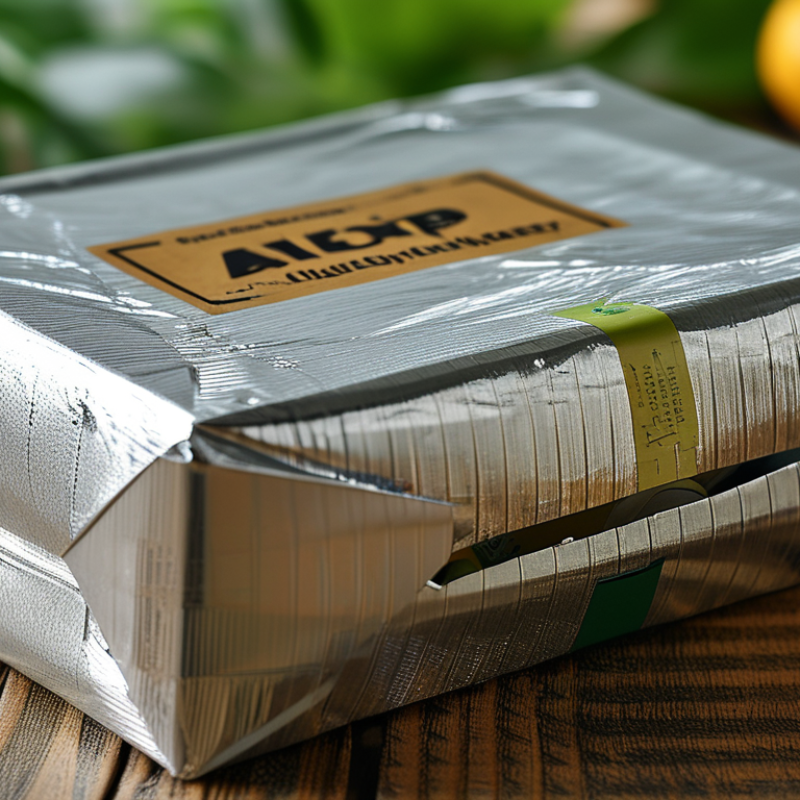
Foil paper has become a popular choice in packaging solutions due to its unique benefits. It is lightweight yet strong, which means it can withstand various conditions. This quality makes it ideal for products that need extra protection during transit. Moreover, its metallic finish adds visual appeal. When customers see shiny packaging, they are often drawn to the products inside.
Another significant advantage is its barrier properties. Foil paper protects contents from moisture, light, and air. This preservation is crucial for food items that require freshness. It also helps retain the flavor and quality of various products. Some businesses overlook the importance of these factors, but packaging can directly impact the customer experience.
Using foil paper can improve branding. The aesthetic appeal can enhance brand recognition. While the sustainability of materials is vital, businesses must also consider cost. Foil paper can be more expensive than other options, but its benefits often outweigh the drawbacks. Balancing these elements requires thoughtful reflection and a clear understanding of the market needs.
Why Choose Foil Paper for Your Packaging Solutions? - Benefits of Using Foil Paper in Packaging Solutions
| Benefit |
Description |
Applications |
| Lightweight |
Foil paper is significantly lighter than many traditional packaging materials, reducing shipping costs and ease of handling. |
Food packaging, retail packaging |
| Barrier Properties |
Provides an excellent barrier against moisture, light, and oxygen, extending product shelf life. |
Pharmaceuticals, gourmet food |
| Visual Appeal |
Offers a shiny, attractive finish that enhances the product's presentation and drives consumer interest. |
High-end consumer goods, gift packaging |
| Recyclability |
Many foil papers are fully recyclable, making them an environmentally friendly choice. |
Sustainable packaging solutions |
| Customization |
Available in various finishes and colors, providing branding flexibility to manufacturers. |
Custom packaging for retail, promotional items |
Comparison of Foil Paper with Other Packaging Materials
Foil paper stands out in the packaging industry due to its unique properties. Compared to traditional materials like plastic and cardboard, foil paper offers superior barrier protection. It is impermeable to light, air, and moisture, which helps preserve the freshness of food products. According to a 2022 market report, foil packaging accounts for 10% of the global packaging market. This figure underlines its growing preference among manufacturers seeking longevity and quality.
Additionally, foil paper weighs less than many alternatives, reducing shipping costs. This lightweight characteristic can lead to a decrease in carbon emissions during transport. Many studies indicate that a shift to foil paper could decrease overall packaging waste by up to 25%. Despite these benefits, the high production costs of foil paper can be a drawback. It requires specialized machinery and techniques for effective use, which may deter some companies.
Concurrently, foil paper’s recyclability is an appealing aspect but comes with its challenges. While many consumers assume foil is recyclable, it must be free of food residue to be processed properly. This complexity may lead to improper disposal, causing environmental concerns. The industry continues to face a learning curve in educating consumers about proper recycling practices.
Environmental Impact of Foil Paper in Packaging
Foil paper has gained attention for its sustainable properties in packaging. Its production often requires less energy compared to plastics. This aspect contributes to a smaller carbon footprint. Using foil paper can effectively reduce the reliance on non-recyclable materials. Notably, it is both recyclable and biodegradable.
However, the process of recycling foil paper can be complex. Many facilities struggle to separate foil from other materials. This inefficiency can undermine its environmental benefits. Consumers should be educated on proper disposal methods. When done correctly, foil can significantly alleviate waste issues.
Moreover, foil paper provides excellent protection for products. It offers a barrier against moisture, light, and air. This quality enhances product longevity, reducing spoilage and waste. However, its production still poses questions. Is it the best option for all packaging needs? Exploring alternatives is crucial to truly understand its environmental impact.
Environmental Impact of Foil Paper in Packaging
Key Applications of Foil Paper in Various Industries
Foil paper is a versatile material used across various industries. Its unique properties make it ideal for numerous applications. In the food industry, foil paper serves as an effective barrier against moisture and light. This keeps products fresh for longer periods. It can wrap sandwiches, pastries, and take-out meals with ease, ensuring quality preservation.
In the pharmaceutical sector, foil paper is crucial for packaging. It protects sensitive medications from humidity and light. This ensures the integrity of the product until it reaches the consumer. The tamper-evident feature of foil packaging enhances safety. It's vital for both consumers and manufacturers to consider these aspects when selecting materials.
**Tips:** Consider using printed foil paper for branding. It can catch consumers' eyes and convey information effectively. Assess the environmental impact of foil paper. Recycling and reusability can add value to your packaging solutions. Foil paper may appear perfect, yet it has limitations. It's essential to balance aesthetic appeal with functionality when designing packaging.
Tips for Selecting the Right Foil Paper for Your Packaging Needs
When selecting foil paper for packaging, consider the purpose and environment. Foil paper can be both protective and aesthetically pleasing. It often enhances the visual appeal of your products, making them more attractive on the shelf. Yet, not all foil papers are created equal.
Think about the thickness. A heavier foil may offer better durability, but it might not be necessary for lighter items. Evaluate how the foil responds to heat and moisture as well. Some foil types may warp or lose their sheen in humid conditions. Explore different finishes, like gloss or matte. Each finish serves a different aesthetic and functional purpose.
Another aspect is sustainability. Many consumers are now influenced by eco-friendly packaging. Investigate if the foil paper is recyclable or made from renewable resources. The choice of foil can reflect a commitment to environmental responsibility. It’s a delicate balance between quality and eco-friendliness that requires careful evaluation. Reflect on your priorities—what matters most for your brand?