For manufacturers, a roll of industrial aluminum foil is more than a packaging input. It can help protect products from light, moisture, and outside odors when used in a suitable structure. In a busy production room, the difference may show up in a clean seal, fewer line adjustments, or a package that stays intact during shipping. But no single foil grade fits every job. Alloy, thickness, temper, surface finish, and any coating can change how the material behaves.
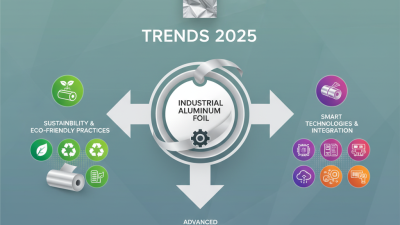
The right choice depends on the product and the process. A converter may need foil that folds neatly around a tray, while an insulation producer may prioritize reflectivity and compatibility with other layers. Foil alone does not guarantee a complete barrier; seals, laminates, and handling matter too. Details matter. Buyers should compare technical data sheets, confirm tolerances, and ask how specifications are verified. Small production trials can reveal issues that a sample swatch cannot, such as wrinkles at machine speed or weak seals after storage. A low quoted price can look persuasive, but it may not represent the lowest operating cost. That is worth checking. Suppliers’ claims also deserve practical scrutiny, especially when performance depends on the full package design. This guide explores the business reasons to consider industrial aluminum foil, the factors that shape material selection, and the questions to ask before placing an order. The aim is not to promise a universal solution, but to help teams make a decision grounded in their actual products, equipment, and quality requirements.
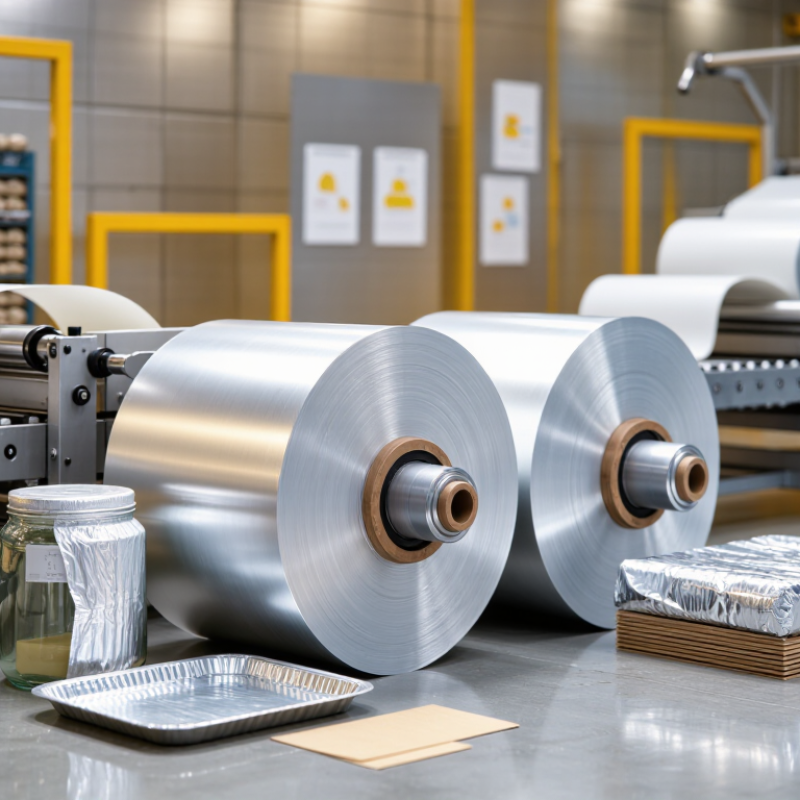
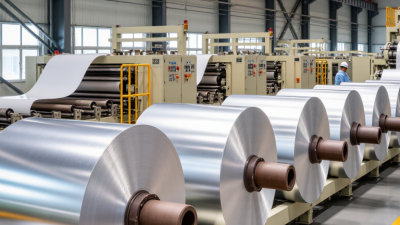
Industrial aluminum foil is a thin, rolled aluminum product used in insulation, heat exchangers, electrical components, and laminated materials. In common industry usage, foil is aluminum sheet below 0.2 millimeters thick, though the best gauge depends on the job. It starts as an aluminum slab, which is heated and rolled into a thinner strip. Cold rolling then reduces its thickness between steel rolls. For very thin gauges, two layers may pass through the rolls together, producing one bright face and one matte face on each layer. The foil is then annealed to adjust its temper and may be slit into customer-specific widths. Small details matter.
The International Aluminium Institute reported global primary aluminum production of about 70.6 million tonnes in 2023. This figure describes the wider aluminum supply chain, not foil output, but shows the scale behind its raw material.
A useful caveat: gauge alone can mislead. Temper, surface finish, pinholes, and strength may matter more than appearance in service. Even a small defect can affect a barrier layer or insulation wrap.
Tips: Tell your supplier the operating temperature, required width, and forming conditions. Request samples and check them in your actual process; a specification sheet cannot reveal every handling issue.
Industrial aluminum foil earns its place through a useful mix of low weight, formability, and barrier performance. In converting lines, operators can unroll thin stock, cut it cleanly, and form it around corners or shallow channels. It conforms well. That can reduce gaps in insulation wraps, protective laminates, and packaging components.
Its surface also reflects radiant heat, while the metal conducts heat quickly across its plane. These properties suit thermal shields and heat-transfer applications, but they are not interchangeable benefits. A reflective foil needs an appropriate air gap to limit radiant transfer; direct contact changes the result. Foil can also resist moisture, light, and many gases, though pinholes, seams, and handling damage may weaken the barrier. Small defects matter.
For production teams, consistency is as important as the headline properties. Alloy, temper, thickness, and surface finish affect strength, flexibility, and forming behavior. A sample should be tested on the actual equipment, especially where repeated folding or tight bends are involved. Thin foil may crease or tear more easily than expected. It is not magic. Choosing a slightly thicker gauge can help, but may increase material use and alter heat response. The right specification depends on the process, exposure conditions, and the acceptable level of variation.
Industrial aluminum foil serves very different jobs across business sectors. In food processing, it wraps prepared meals, lines trays, and forms lidding that helps protect products from light, moisture, and oxygen. A converter may choose a thicker grade for a hot-fill tray, while a bakery might need foil that bends neatly around irregular shapes. Small details matter.
The European Aluminium Foil Association reported European foil deliveries of 886,000 tonnes in 2023, down 6.6% from 2022. This figure covers a broad market, not one application alone. It shows the material’s scale, but it should not be treated as a forecast for any single sector. In construction, foil can face insulation layers to reduce radiant heat transfer; HVAC contractors also use it in duct insulation and flexible air ducts. At a job site, torn edges or poorly sealed joints can undermine the intended performance.
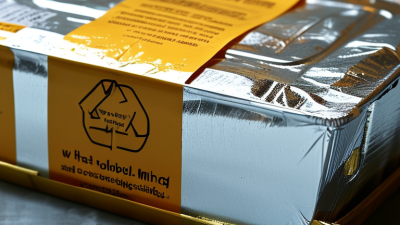
Electrical manufacturers use foil in capacitors and cable shielding, where conductivity and consistent thickness matter. Healthcare packaging uses foil in blister packs to help protect individual doses from moisture and light. The right grade depends on forming, sealing, storage, and handling conditions. A sample can look suitable, yet fail on a fast production line. Test it under real operating conditions.
Typical foil thickness ranges across common business applications
Aluminum foil’s barrier performance, formability, and low weight make it useful in packaging, insulation, and food-service applications. Thickness ranges are indicative; exact specifications vary by product design and supplier.
Industrial aluminum foil offers a compact barrier against light, moisture, oxygen, and odors. That can help protect products during storage and transport. In a converting line, foil also bends closely around corners and holds a formed shape. This is useful for trays, seals, and layered packaging. Performance depends on foil thickness, coating, and how well the package is sealed.
Paper is easy to print and can suit dry goods, but it usually needs a barrier layer for humid conditions. Plastic films are often lighter and flexible, and some resist punctures better. Yet their barrier performance varies by polymer and construction. Steel is rigid and durable, but heavier and less adaptable to thin, flexible formats.
There is a trade-off.
Foil can crease or tear if handled roughly, and foil laminates may be difficult to separate for recycling. That detail is easy to overlook. A practical choice comes from testing the actual product, seal, shipping route, and local recovery options—not comparing material names alone. A small trial pack can reveal wrinkles, edge leaks, or damage after stacking.
Selecting industrial aluminum foil starts with the job it must do, not simply the lowest price.
For heat exchangers, packaging, insulation, or stamping, define the required barrier, thermal, and forming performance. Foil thickness affects strength and flexibility; a thinner gauge may reduce material use, but can wrinkle or tear on fast lines. Check alloy and temper against the forming method, since a foil that bends easily may not suit deep drawing.
Measure operating temperatures and exposure to moisture, oils, or cleaning agents. Small details matter.
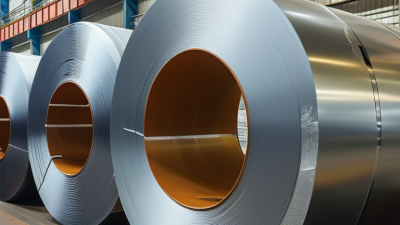
Confirm width, roll diameter, core size, and edge condition with your equipment team. A technically suitable roll can still cause downtime if it telescopes, feeds unevenly, or creates excess trim.
Ask for documented thickness tolerances, surface condition, and lot traceability, then test samples on your production line before committing. For laminated or coated products, verify adhesive compatibility and seal performance under realistic storage and use conditions.
A lab sample may behave perfectly; the production line can be less forgiving. Specifications sometimes overlook handling, an easy assumption to miss.