How to Choose Foil Packaging for Your Business in 2026?
Choosing foil packaging in 2026 is not just a question of appearance. A pouch that stands upright on a shelf may need different barrier performance from a lid sealing a chilled tray. Product sensitivity, filling equipment, transport conditions, and end-of-life options all matter. Small details matter.
Smithers’ report, The Future of Flexible Packaging to 2028, estimated the global flexible packaging market at about $201.7 billion in 2023. That figure covers more than foil, but it signals the scale and competition of the category. For businesses, the practical question is narrower: what structure protects the product without adding unnecessary material or cost? Aluminium foil can provide strong barriers against light, oxygen, and moisture, yet a foil layer alone does not determine the package’s full performance. Laminate design, seals, thickness, and handling conditions also play a part.
This guide explains how to compare foil packaging options for real business needs in 2026. It looks at product protection, format, print, production compatibility, supplier evidence, and recycling claims. Ask for technical data sheets and test results, not just attractive samples. Then check whether the proposed pack runs reliably on your line. One honest complication: barrier performance and recyclability can pull in different directions, and the best choice depends on local collection systems. There is no universal winner. A careful specification—and a little skepticism—can prevent costly surprises.

Identify Your Product, Market, and Packaging Requirements
Choosing foil packaging in 2026 starts with the product, not the pouch. Does it contain oil, powder, or a sharp-edged item? A roasted coffee blend may need strong oxygen and moisture barriers, while dry seasoning may need less protection. Check shelf life, filling temperature, and storage conditions. A package that works on a sample table may fail beside a warm delivery window. Small details matter.
Your market shapes the format. Retail customers may value a resealable pouch and a clear product window; food-service buyers may prefer larger, easy-to-stack packs. Consider how people open, carry, and store the package. Then check your packing line: seal width, roll dimensions, and filling speed can affect costs and waste. I’ve seen teams choose attractive formats before testing them on their actual equipment. That can mean avoidable delays.
Tips: Request samples and test them with the real product. Check seals after transport, not just on the production table. Ask suppliers for material and barrier specifications, and compare them with your product’s needs. Keep the claims you print clear and verifiable. If a feature seems useful but adds cost, test whether customers actually need it. A little uncertainty is worth investigating.
Compare Foil Packaging Formats, Materials, and Barrier Properties
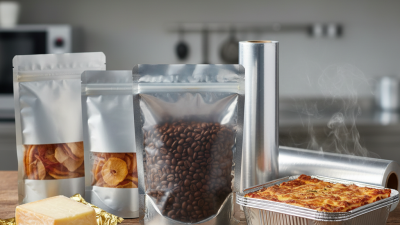
Foil packaging is not one format. A stand-up pouch, sachet, lidding film, and foil-lined paper pack each suit different filling lines and shelf-life needs. The Flexible Packaging Association’s 2024 State of the U.S. Flexible Packaging Industry report valued U.S. sales at $42.9 billion in 2023. That scale reflects broad use, but it does not make every structure right for every product.
Aluminum-foil laminates provide strong light, oxygen, and moisture protection when their layers and seals remain intact. Metallized films are often lighter and can offer useful barriers, but they generally do not match a continuous foil layer. Foil-paper structures add stiffness and a familiar dry-goods feel. They may be less suitable where tight seals or high moisture protection matter most. Small details matter. A tiny seal channel or flex crack can undermine an otherwise strong barrier.
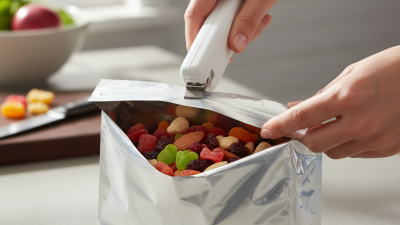
Compare oxygen transmission rate and water-vapor transmission rate, then test finished packs under realistic humidity, handling, and storage conditions. ASTM D3985 and ASTM F1249 are commonly used methods for measuring oxygen and water-vapor transmission, respectively. Specify units and test conditions when comparing supplier data. A common misstep is choosing by material name alone. The report sheet may look reassuring; the sealed pouch may behave differently. Check seal strength, pinholes, and barrier performance after filling and transport simulation before fixing a specification.
Check Safety, Regulatory, and Sustainability Requirements
Choosing foil packaging in 2026 means checking what touches the product, not just what the pack looks like. For food or cosmetics, ask suppliers for material specifications, test reports, and declarations covering intended use. Confirm that inks, adhesives, coatings, and foil layers are assessed together. A pouch can look intact yet fail after heat sealing or transport. Small details matter.
Rules depend on the market and product. In the European Union, the Packaging and Packaging Waste Regulation entered into force in February 2025 and is generally set to apply from 12 August 2026. Check its requirements alongside applicable food-contact rules, and verify current national guidance before ordering. The U.S. FDA, for example, evaluates food-contact substances according to their intended conditions of use. Keep records of supplier statements and migration-test conditions. Paperwork is not a substitute for testing.
Sustainability claims need the same care. OECD’s Global Plastics Outlook reports that packaging generated 40% of global plastic waste in 2019. That figure is a warning, not proof that every foil pack is worse than an alternative. Compare realistic options using life-cycle data, local collection access, and the full pack structure. Ask whether a recyclable claim applies to the complete package, including its laminate and closure. Be cautious: local sorting systems change, and supplier data may be incomplete. That deserves a second look.
Evaluate Suppliers, Costs, and Production Capabilities
Choosing foil packaging in 2026 starts with the supplier, not the sample booklet.
Ask for material specifications, food-contact documentation where relevant, and recent quality records. Request a production sample in your intended thickness and finish. Then check seal strength, print alignment, and how easily the pouch opens. A glossy sample can look impressive under showroom lights. It may behave differently on your filling line.
Compare the full cost, not just the quoted price per thousand. Include plate or cylinder charges, minimum order quantities, freight, setup time, and expected scrap. Ask suppliers how they handle repeat orders and delays in material availability. Small test runs can reveal problems before a large purchase, though they may cost more per unit. That trade-off is real. Check production capabilities against your schedule: confirm available pouch formats, printing methods, lead times, and capacity during peak months. If your line needs a particular roll width or seal temperature, share those details early. I have seen specifications assumed rather than confirmed; that is an easy mistake. Get tolerances and approved artwork in writing, and ask who checks each production batch. A dependable partner should explain limitations plainly, not promise every finish at every volume.
Test Packaging Performance Before Selecting a Long-Term Solution
Before committing to foil packaging, test it with the product, filling process, and shipping conditions you actually use. A pouch that looks sturdy on a sample table may wrinkle at the sealing jaws or develop pinholes after a rough delivery. Check seal strength, leak resistance, and barrier performance. ASTM F88 measures flexible-package seal strength; ASTM F1929 can help reveal leaks in certain packages. Ask your converter for test conditions and results, not just a general claim of “high barrier.”
Scale matters, too. The Flexible Packaging Association’s 2024 State of the U.S. Flexible Packaging Industry report estimated domestic industry sales at $42.9 billion in 2023. That figure shows the format’s commercial reach, but it does not prove that a specific foil structure suits your product.
Run a pilot using real production speeds, filled packs, and expected storage temperatures. Inspect seals after transport simulation, then retest after shelf-life aging. Record failures, including the awkward ones. A small test can miss a seasonal temperature swing, and lab results never capture every warehouse mishap. Use those limits to set a sensible trial period before choosing a long-term specification.