Top 10 Silver Foil Paper Suppliers for Global Buyers

For buyers, silver foil paper can turn a plain carton, label, invitation, or gift wrap into a reflective focal point. But appearance alone rarely makes a reliable purchasing decision. Suppliers may offer metallic lamination, foil accents, or coated silver surfaces, and these options behave differently during printing and finishing. For global buyers, the distinctions can affect color reproduction, folding, adhesion, environmental claims, and final cost. Details matter. A bright sample under showroom lights may look different beside a printed logo or under warehouse lighting. This guide introduces ten suppliers for comparison, not as a universal ranking. That distinction matters.

The overview focuses on practical evidence buyers can request: product specifications, available paper weights, sheet or roll formats, minimum order quantities, lead times, and sample policies. Buyers should confirm whether the silver effect is part of the paper or added during converting, since terminology can vary among vendors. Ask for print and finishing recommendations, especially for fine text, deep folds, or adhesive labels. Where relevant, request current documentation for material composition and environmental claims; a polished brochure is not a substitute. No supplier fits every project. A short run for premium packaging may need different stock and support than recurring industrial orders. The comparisons ahead aim to make those trade-offs easier to see, while recognizing that price, service, and availability can change by region and over time. A little uncertainty remains. Requesting a physical sample and testing it on your own equipment is still a sound next step.
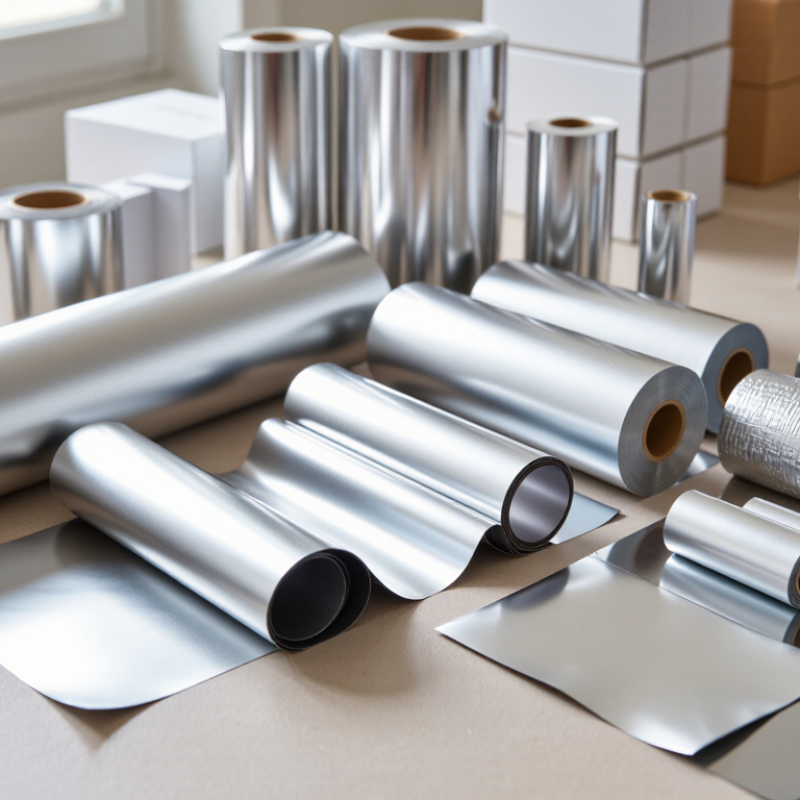
Top 10 Silver Foil Paper Suppliers for Global Buyers

Understanding Silver Foil Paper and Its Key Applications

Silver foil paper is a paper substrate finished with a reflective metallic layer. That layer may be laminated aluminum foil or a much thinner vacuum-deposited coating. The difference matters. Foil laminates can provide stronger barriers, while metallized paper often keeps packages lighter and easier to print. Neither finish guarantees protection on its own; moisture resistance depends on the full structure, seals, and use conditions. A silver surface catches light quickly, making it useful for premium cartons, labels, gift wrap, and some dry-food packs. Shiny, but not magic.

For buyers, the application should guide the specification. A cosmetic label may prioritize smoothness and ink adhesion; a carton for dry goods may need stiffness and scuff resistance. Food-contact suitability must be confirmed for the exact material and intended use. Recycling also deserves a closer look. Eurostat reported that 83.2% of paper and cardboard packaging waste was recycled in the EU in 2022. That figure does not mean every foil-laminated paper item is accepted in paper recycling; composite layers can complicate sorting and pulping. Ask suppliers for construction details, barrier-test results, and disposal guidance for the destination market. A reflective finish can look simple, but its end-of-life route may not be.

Criteria for Evaluating Global Silver Foil Paper Suppliers

Global buyers should compare silver foil paper suppliers by measurable performance, not catalogue photographs. Request a specification sheet covering foil thickness, paper grammage, coating uniformity, adhesion, and roll-width tolerance. Ask for recent test results on rub resistance and folding; a bright surface can still crack at a sharp crease. Test it physically. Check that samples match the quoted production grade, then confirm defect limits and batch traceability in writing. FAO’s 2023 Forest Products report recorded 401 million tonnes of global paper and paperboard production in 2022, a 3% year-on-year decline. This scale makes raw-material consistency and documented change control worth checking, especially across repeat orders.

Sustainability claims need careful reading. The U.S. EPA’s 2018 materials report estimated a 68.2% recycling rate for paper and paperboard, but that figure does not prove a foil-laminated grade is recyclable in every market. Ask suppliers for the material structure, recycled-content evidence, and market-specific recyclability documentation. Compare production lead times, minimum order quantities, export packaging, and the process for handling damaged rolls. Request a sample shipment with edge protection, then inspect it after transit. A supplier may provide excellent laboratory data yet struggle with communication or replacement timing. That matters. Ask for references from comparable applications, while recognizing that one successful shipment is not a full quality history.

Profiles of Ten Silver Foil Paper Suppliers

These ten supplier profiles describe sourcing roles, not a ranked endorsement. Mill-integrated laminators offer control over base paper and foil bonding. Independent coaters may suit smaller runs. Lightweight-paper specialists help reduce material use. High-barrier converters focus on resistance to moisture and light. Food-wrap suppliers should provide migration and sealing-test documents. Gift-wrap printers prioritize color consistency and clean folding.

Label-stock makers supply printable, adhesive-ready grades. Sheet converters cut to exact dimensions, reducing trim waste. Regional stockists can shorten delivery times, though their range may be limited. Custom-development partners adjust foil thickness, paper weight, and surface finish. Looks matter. So does sealing. Ask for a sample roll, then check its coating, edge curl, and performance after folding. One test is not proof.

The market context matters. Eurostat’s 2022 packaging-waste data recorded 186.5 kilograms per EU resident, with paper and cardboard making up 40.8% of the total. CEPI’s Key Statistics 2023 reported a 79.3% paper recycling rate in Europe.

These figures describe broader packaging flows, not silver-foil paper specifically. Foil-paper composites may not fit standard paper-recycling streams, so ask suppliers for material composition and local disposal guidance. A glossy sample can hide a weak seam; I would verify production samples before approving a large order.

Comparing Supplier Capabilities, Quality, and Delivery Options

Supplier comparison should start with construction, not a catalogue photo. Ask whether the stock is metallized paper, foil-laminated paper, or embossed foil-faced paper. Each structure affects stiffness, fold cracking, print adhesion, and disposal. Request samples from one production lot, with basis weight, caliper, and coating-tolerance records. Test rub resistance and folding on your own converting line. Looks can mislead.

Compare quality controls, too. Reliable documentation should identify the production lot and show how appearance, adhesion, and thickness are checked. Ask for color targets and defect limits before approving a sample. The American Forest & Paper Association’s 2023 paper recycling report estimated U.S. paper recovery at 65–69%, depending on the calculation method. That figure does not mean foil-laminated grades are automatically recyclable; ask suppliers for evidence relevant to your market’s collection and sorting systems.

Delivery capability is more than a quoted lead time. Check stock availability, minimum order quantities, sheet or roll formats, export packing, and how suppliers handle schedule changes. Request a realistic production window and shipment milestones, then compare them against your printing and converting calendar. A low unit price can lose value if a delayed roll leaves a press idle. I still find this easy to underestimate. When comparing offers, separate confirmed stock from estimated replenishment, and ask how the supplier protects foil surfaces against scuffing during transit.

Top 10 Silver Foil Paper Suppliers for Global Buyers - Comparing Supplier Capabilities, Quality, and Delivery Options

How to read this comparison: The entries below are anonymous supplier profiles, not named companies or a verified ranking. Specifications describe commonly available market options; availability, minimum order quantities, certifications, lead times, and shipping terms vary by supplier and must be confirmed in a written quotation.

No. Supplier Profile Typical Silver-Paper Construction Common Basis-Weight Range Conversion Capabilities Best Fit for Buyers Quality Checks to Request Delivery Options to Confirm
1 Metallized-Paper Specialist Paper with a vacuum-metallized silver surface; coating and paper grade depend on the intended application. About 60–150 g/m², depending on grade and finish. Slitting, rewinding, sheet cutting, and selected surface finishes. Buyers seeking a lightweight metallic appearance for labels, wraps, or printed packaging. Surface appearance, coating adhesion, roll-width tolerance, curl, and print compatibility. Rolls or sheets; request sea, air, or courier options based on shipment size and urgency.
2 Foil-Lamination Converter Paper laminated with a metallic foil layer; construction and foil thickness are order-specific. About 80–250 g/m² for commonly specified paper-based constructions. Lamination, slitting, sheeting, and custom roll widths. Applications needing a more substantial metallic barrier or foil-like appearance. Bond strength, delamination, pinholes, foil coverage, and finished-gauge consistency. Confirm roll or sheet packing, palletization, export documentation, and freight terms.
3 Packaging-Grade Metallized Paper Converter Metallized paper selected for folding, wrapping, or other packaging uses. About 70–200 g/m², with heavier grades available by specification. Printing preparation, slitting, sheeting, and selected converting services. Packaging buyers who need a balance of metallic appearance and paper handling. Grammage, moisture, surface uniformity, printability, and performance in the buyer’s converting process. Ask for production schedule, sample availability, and consolidated or full-pallet shipping options.
4 Label-Stock Converter Silver-faced paper supplied as a label-facing material, sometimes paired with an adhesive and release liner. Facing material commonly around 60–100 g/m²; total label construction is higher. Roll slitting, adhesive coating or sourcing, and label-stock preparation. Label printers and converters requiring a specified face stock and roll format. Face-stock consistency, adhesive suitability, liner release, roll direction, and print-process compatibility. Confirm roll dimensions, core size, winding direction, packaging, and sample-roll availability.
5 Decorative-Wrap Paper Supplier Lightweight silver-colored or metallized paper intended for decorative wrapping and presentation. About 60–100 g/m² for many lightweight wrap grades. Sheet cutting, roll converting, printing, and optional decorative finishing. Retail, gift-wrap, event, and seasonal-product buyers. Shade consistency, scuff resistance, fold behavior, surface finish, and packaging protection. Confirm sheet or roll format, carton quantities, seasonal capacity, and export packing.
6 Metallized Board Laminator Silver film or foil laminated to paperboard for more rigid packaging applications. About 200–400 g/m² or higher, depending on board grade and construction. Board lamination, sheet cutting, and supply to downstream carton converters. Rigid cartons, presentation packaging, and display applications. Board caliper, flatness, laminate adhesion, surface defects, and suitability for die-cutting and folding. Typically quoted by sheet size, pallet configuration, destination, and required handling conditions.
7 Custom-Finish Paper Converter Metallized or foil-laminated paper with selected embossing, texture, or other surface treatments. Often about 80–250 g/m²; confirm the usable range for each finish. Embossing, specialty finishing, slitting, and sheeting, subject to tooling and order requirements. Buyers seeking a differentiated surface rather than a standard smooth silver finish. Finish repeatability, emboss depth, surface damage, shade matching, and sample-to-production consistency. Request pre-production samples and a confirmed schedule, particularly for custom tooling or finishes.
8 Print-Ready Silver Paper Supplier Silver-faced paper prepared for a specified printing process; treatment depends on ink and press requirements. About 70–200 g/m², subject to the chosen paper and surface treatment. Surface treatment, sheet or roll supply, and print-trial support where offered. Printers needing metallic effects with defined ink, drying, or finishing requirements. Ink adhesion, rub resistance, surface energy where relevant, color proof, and press-trial results. Confirm sample lead time, finished format, protective interleaving, and transport method.
9 Regional Paper Stock Distributor Stocked silver paper or metallized paper sourced from one or more converters. Depends on stocked grades; commonly selected from available lightweight paper and board ranges. Local slitting or sheet cutting may be available; confirm whether work is performed in-house. Buyers prioritizing smaller trial orders, local availability, or replenishment flexibility. Request the mill or converter specification, batch traceability, current stock status, and sample approval. Local collection or domestic delivery may be available; international shipping depends on stock and service.
10 Export-Focused Paper Sourcing Supplier Silver paper sourced to a buyer’s construction, grade, format, and packing specification. Specified to order; verify the exact grade and tolerance in the quotation. Supplier coordination, custom packing, roll or sheet arrangements, and export documentation. Global buyers coordinating multiple specifications or shipments across borders. Approved samples, written technical specification, batch inspection, packing list, and agreed inspection criteria. Compare sea, air, and courier quotations; confirm Incoterms, shipment schedule, and destination charges.

How Global Buyers Can Choose and Source the Right Supplier

Global buyers should compare silver foil paper by more than its shine. Check paper weight, foil coverage, surface smoothness, and whether the material suits your printing or packaging process. Ask for the available sheet or roll sizes, minimum order quantity, production lead time, and packing method. These details affect both cost and handling.

Request samples from shortlisted suppliers. Inspect them under normal lighting, then test folding, cutting, and printing on your own equipment. A bright finish can look impressive but may show scratches after transit. Confirm how the supplier checks batch consistency and what documents accompany each shipment. No sample test catches every issue.

Tips: Record the sample grade, dimensions, and test results. Keep photos for comparison.

Before committing, discuss export packaging and delivery terms in writing. Foil paper may be sensitive to moisture, pressure, or rough handling, so ask how rolls or sheets are protected. Compare quotations on the same specifications, not just unit price. Response speed can reveal how clearly a supplier communicates, but it is not proof of production quality. One imperfect test may also reflect your machine settings, not the paper itself; retest before rejecting a supplier.

Top 10 Silver Foil Paper Suppliers for Global Buyers: A Supplier Selection Scorecard

Suggested evaluation weights for comparing suppliers. These are a practical buyer framework, not survey results or supplier rankings.

Prioritize product quality and compliance, then compare total landed cost, production capacity, lead times, documentation, and traceability. Adjust the weights to fit your order and market requirements.