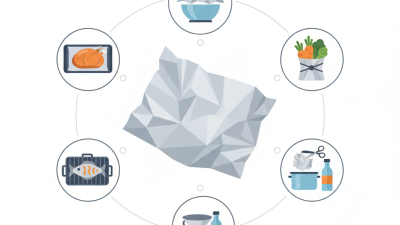
When it comes to versatile household materials, alu foil stands out. This remarkable product is not merely for wrapping leftovers. It has a wide range of applications that every global buyer should be aware of. Understanding its many uses can enhance efficiency and aid in better decision-making.
From cooking to home improvement, alu foil serves practical purposes. Its durability, heat-resistance, and malleability make it ideal for various tasks. Yet, many people overlook its potential. It’s essential to explore these applications, as they can save time and resources.
As we delve into the top uses of alu foil, it is crucial to reflect on both the benefits and limitations. We will examine how its innovative applications can revolutionize everyday tasks, leading to smarter choices in households and industries alike. Embracing alu foil's versatility presents opportunities for improvement, but awareness of its constraints is equally necessary.
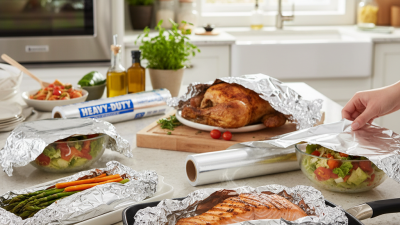
Aluminum foil is a common item in every kitchen. It plays a crucial role in food storage and preservation. This material can help retain freshness and prevent spoilage. When you wrap food in aluminum foil, it seals in moisture and flavor. It’s perfect for leftovers, snacks, and even raw ingredients.
Tips: Use aluminum foil to line baking trays. This saves time on cleanup and prevents food from sticking. It can also be used to wrap sandwiches or snacks for lunches. Just make sure not to use it in the microwave.
For freezing, aluminum foil is a great option. Wrap food tightly, ensuring no air gets in. This helps to prevent freezer burn. Using double layers can offer extra protection. Sometimes, you might notice that certain items still get freezer burn. This could mean the foil wasn’t wrapped tightly enough or the food wasn’t fresh when frozen.
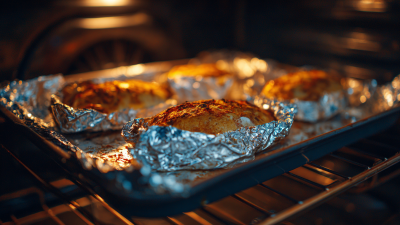
In cooking, aluminum foil refers to its ability to retain heat. Cover dishes when baking to help cook the food evenly. This is particularly useful for delicate dishes. Occasionally, though, you may find that cooking times vary. Be attentive to your oven settings and adjust as needed.
Aluminum foil is a versatile tool in any kitchen. Its use in cooking and baking enhances efficiency in various ways. The reflective side helps retain heat, making it ideal for wrapping food. When you cover your dishes with aluminum foil, they cook evenly. This is especially true for slow-roasted meats and baked casseroles.
Using aluminum foil can prevent over-browning. By loosely covering dishes in the oven, you shield food from direct heat. It allows the interior to cook thoroughly without burning the top layer. However, it's essential to monitor cooking times, as it can sometimes lead to uneven results if not used correctly.
Tips for efficiency with aluminum foil include pre-measuring pieces for your dishes. This practice saves time during meal prep. For baking, make sure to tightly seal edges to avoid steam loss. If you're reheating leftovers, consider placing foil over the dish to keep them moist. Reflect on the balance between using foil and other cooking methods, as excessive reliance can sometimes diminish the flavor profile of your meals.
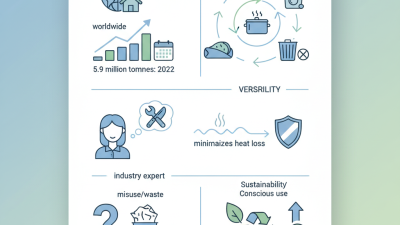
Aluminum foil has emerged as an eco-friendly alternative in packaging solutions, gaining popularity among businesses and consumers alike. According to the European Aluminium Foil Association, it can be recycled indefinitely without losing quality. This makes it a sustainable choice in a world focusing on reducing waste. In 2021, the global aluminum foil market size was valued at approximately $32 billion, indicating a growing demand for eco-responsible options.
In addition to its recyclability, aluminum foil minimizes food waste. Packaging studies reveal that about one-third of food produced is wasted each year. Using aluminum foil can help extend the shelf life of food products. This not only conserves resources but also assists in reducing carbon footprints associated with food production. Many users may overlook these benefits while focusing on convenience. However, the long-term advantages of aluminum foil as a recyclable material outweigh these concerns.
Though aluminum production does have an environmental impact, advancements are reducing this footprint. Innovative methods in sourcing and recycling are being developed. It's essential to consider these details when making packaging choices. The challenge lies in balancing convenience and sustainability while ensuring that eco-friendly options are adequately embraced.
| Use Case | Description | Eco-Friendliness | Recyclability |
|---|---|---|---|
| Food Packaging | Used to wrap food items to keep them fresh. | Minimizes food waste by extending shelf life. | 100% recyclable. |
| Insulation Material | Serves as a barrier to heat regulation in buildings. | Reduces energy consumption for heating/cooling. | Completely recyclable. |
| Cooking Aid | Used to line baking trays and wrap meats to retain moisture. | Can replace heavier cooking materials, reducing waste. | Easily recyclable after use. |
| Art and Crafts | Used in various DIY projects and art creations. | Offers creative recycling solutions. | Recyclable if not mixed with other materials. |
| Electronics Shielding | Protection from electromagnetic interference. | Reduces electronic waste through better performance. | Can be recycled post-use. |
| Personal Care Products | Used in packaging items like toiletries. | Minimizes plastic use in personal care. | Easily recyclable. |
| Solar Panel Reflectors | Enhances solar collection efficiency. | Supports renewable energy solutions. | Recyclable at the end of its life cycle. |
| Emergency Blankets | Used in survival kits for insulation. | Durable and lightweight for eco-conscious kits. | Can be recycled after use. |
| Gardening Aid | Used to propagate plants and as moisture barriers. | Enhances plant health and growth efficiency. | Recyclable if kept clean. |
| Home Decoration | Used in decorative arts for shiny effects. | Encourages upcycling and creative reuse. | Recyclable after removal from decor. |
Aluminum foil is not just for wrapping food. It can play a significant role in home improvement projects. Many innovative uses can enhance your living space. You might be surprised by its versatility.
One way to use aluminum foil is by improving your oven's efficiency. Line the bottom of your oven with a sheet to catch spills easily. This approach simplifies cleaning and helps maintain optimal heat distribution. You may need to try different shapes and sizes to get the best fit.
Another creative use is insulation. Wrapping pipes in foil can prevent freezing during cold months. It can also reflect heat, keeping your home warmer. This technique may not work for all types of pipes, though, so check if it's suitable for your setup.
**Tip:** Always ensure the foil is tightly secured to avoid any gaps. A loose wrap can reduce effectiveness. Experiment with small areas before committing to larger projects. Trying different methods may lead you to discover what works best for your home.
Aluminum foil, often overlooked, is a versatile tool in household tasks. With many practical applications, its uses extend far beyond cooking. For example, researchers indicate that aluminum foil can enhance heat retention. Wrapping food in foil keeps it warm longer. A study from the Aluminum Association shows that nearly 75% of households use aluminum foil for food-related tasks.
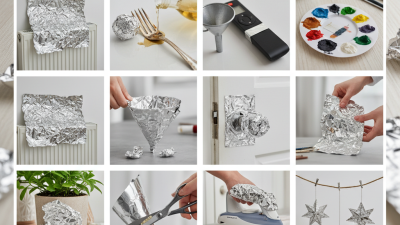
In addition to food storage and preparation, aluminum foil has various household hacks. It can act as a temporary electrical connector or a makeshift funnel. When scrunched into a ball, it effectively cleans silverware and cookware. Many experts highlight that using aluminum foil can also optimize energy efficiency in cooking. By reflecting heat, it can reduce cooking times.
However, it’s important to reflect on the environmental impact of aluminum foil. While it is recyclable, the process requires significant energy. Many households still discard foil without recycling. Awareness and responsible usage are essential as we embrace its practicality. Maximizing aluminum foil's benefits takes mindfulness and informed choices.