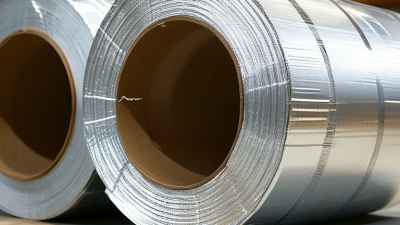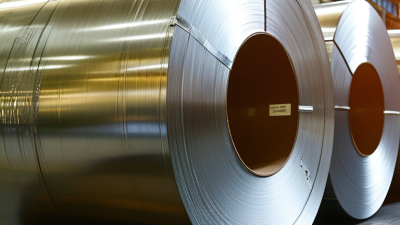
Aluminium foil manufacturers are specialized companies that convert aluminium into thin, flexible, and carefully controlled foil products. Their work begins with aluminium ingots or rolled coils. Large rolling mills reduce the metal’s thickness through repeated passes between polished steel cylinders. Some foil can become thinner than a human hair. It still needs to remain strong enough for packaging, insulation, or industrial forming.
Professional aluminium foil manufacturers manage more than rolling equipment. They control alloy selection, thickness, width, surface finish, and temper. A food-grade product may require clean-room handling, approved lubricants, and documented testing. Technicians inspect pinholes, wrinkles, edge cracks, and uneven gauges. A bright foil surface might suit household packaging, while a matte finish can improve printing or heat transfer. These details affect performance.
Reliable producers also test samples from different production batches. They may measure tensile strength, coating adhesion, sealing behavior, and resistance to moisture. Traceability records connect a finished coil with its raw materials and processing conditions. This evidence helps buyers compare suppliers with greater confidence. However, no manufacturing line is perfect. Minor variations can occur during alloy changes, machine adjustments, or transport. Experienced suppliers acknowledge these risks and explain their corrective procedures clearly.
Choosing a manufacturer therefore requires more than comparing prices. Buyers should examine certifications, technical support, production capacity, and delivery consistency. They should also ask whether the supplier understands the final application. A foil designed for pharmaceutical packaging differs from foil used in cable shielding or building insulation. The best partnership combines measurable quality with honest communication. That practical balance defines a dependable manufacturer.
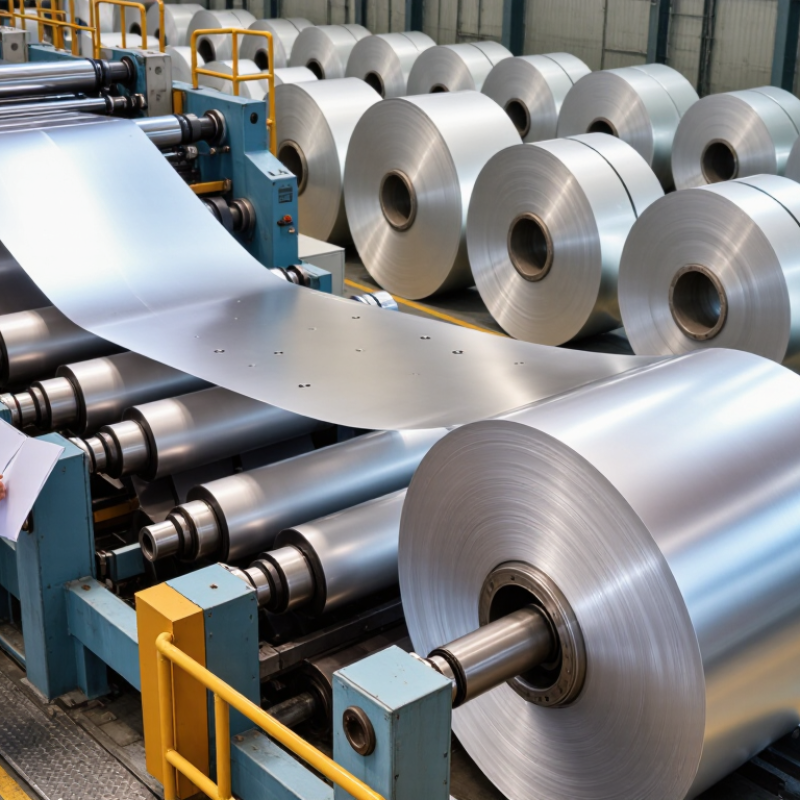
Aluminium foil manufacturers are industrial companies that convert aluminium into thin, flexible sheets for packaging, insulation, healthcare, construction, and technical applications. Their role goes beyond rolling metal. They control alloy selection, thickness, surface cleanliness, annealing, slitting, and final inspection. A reliable manufacturer must maintain stable tolerances, because a small thickness variation can affect sealing, barrier performance, or tear resistance.
According to the U.S. Geological Survey’s Mineral Commodity Summaries 2024, global primary aluminium production reached about 70 million metric tons in 2023. This scale shows why foil manufacturing requires disciplined energy, material, and quality management. Manufacturers typically use rolling mills to reduce aluminium into precise gauges, then apply heat treatment to balance softness and strength. They also test pinholes, tensile performance, coating adhesion, and food-contact suitability when required.
Recycling changes the conversation. The International Aluminium Institute reports that recycling aluminium can save up to 95% of the energy used for primary production. That figure is important, but it should not become a careless promise. Recycling rates depend on collection systems, alloy separation, contamination, and local infrastructure. Manufacturers therefore need traceable sourcing and documented process controls. Real operations are rarely perfect. Some facilities still face scrap losses, uneven feedstock quality, and difficult energy decisions. Better data can expose those weaknesses instead of hiding them.
Aluminium foil manufacturers turn large metal slabs into thin, flexible sheets for packaging, insulation, and industrial use. Their work depends on carefully selected aluminium alloys. Pure aluminium offers excellent flexibility, while small alloy additions can improve strength and tear resistance. The material must also meet strict requirements for thickness, cleanliness, and surface quality.
Production usually begins with casting and heat treatment. The cast slab passes through heavy rollers, which reduce its thickness gradually. Further cold rolling creates foil with a controlled gauge, sometimes thinner than a human hair. During the final stages, manufacturers may roll two layers together. This creates a matte side and a brighter side. Annealing then softens the foil and removes internal stress. Slitting machines cut wide coils into precise widths. Quality teams inspect pinholes, wrinkles, edges, and thickness variation. Tiny defects matter.
Tips: Check the alloy, thickness tolerance, temper, and surface finish before choosing a supplier. Ask for test reports and production samples. A shiny appearance alone proves very little. Storage conditions also matter, because moisture can damage foil surfaces and packaging performance.
Experienced manufacturers track temperature, rolling pressure, and line speed throughout production. Even small adjustments can affect strength and formability. No process is flawless. A capable factory records problems honestly, studies their causes, and improves its controls. That practical discipline often matters more than impressive machinery.
Aluminium foil manufacturers convert aluminium coils into controlled, usable foil products. They manage rolling, heat treatment, slitting, coating, and quality inspection. These steps affect thickness, strength, surface finish, and flexibility. Experienced producers also test pinholes, edge quality, and sealing performance. Small defects can become serious during packaging.
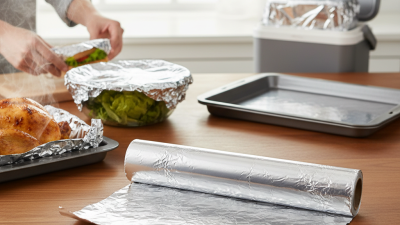
Household foil is thin, flexible, and suitable for wrapping food or covering containers. Foodservice foil is often heavier, making it more resistant to tearing during cooking and transport. Aluminium foil containers use formed sheet stock for trays, dishes, and takeaway packaging. They need reliable shaping and consistent dimensions. No single foil suits every job.
Pharmaceutical foil usually includes a clean, carefully controlled surface for blister or strip packaging. Its barrier performance helps protect contents from moisture, light, and air. Industrial foil may be thicker or laminated with paper, plastic, or other materials. It can support insulation, cable wrapping, labels, and technical components. The categories overlap, and that can confuse buyers. A thinner product may reduce material use, but it may also tear more easily. Choosing foil requires attention to the application, forming method, temperature, and required barrier level. Manufacturers should provide clear technical data rather than vague performance claims.
What Are Aluminium Foil Manufacturers?
Aluminium foil manufacturers produce thin metal sheets for demanding industrial and consumer applications. They cast or purchase aluminium stock, roll it to controlled thickness, and finish it for specific performance needs. Their work involves more than making shiny foil. Engineers consider alloy selection, temper, surface quality, strength, flexibility, and barrier performance. Production teams also inspect thickness, pinholes, cleanliness, and dimensional accuracy. Small defects can affect sealing or product protection.
Industries and Applications They Serve
Food and beverage companies use foil for trays, lids, wraps, pouches, and heat-sealing layers. Foil helps block light, moisture, oxygen, and odors when combined with suitable packaging materials. Pharmaceutical manufacturers require clean, consistent foil for blister packs and sachets. Specifications often include strict thickness control and reliable forming behavior. Electronics producers use foil in capacitors, battery components, and electromagnetic shielding. Insulation suppliers apply foil facings to reflect radiant heat and support moisture management.
Building and automotive industries also depend on engineered foil. It can support insulation systems, cable protection, heat exchangers, and selected vehicle components. Each application needs a different balance of strength, conductivity, weight, and corrosion resistance. In my experience, the best results begin with the end-use conditions, not a standard catalogue size. Early requirements are sometimes too optimistic. Real testing may reveal that a thicker gauge, stronger temper, or different coating is necessary. Manufacturers should provide test data, traceability, and clear technical guidance. Buyers should still verify performance in their own production environment. That step is easy to skip. It should not be.
| Industry Served | Typical Applications | Common Foil Form | Typical Thickness Range | Key Performance Requirements | Why Aluminium Foil Is Used |
|---|---|---|---|---|---|
| Food and Beverage Packaging | Lidding foil, snack wrappers, chocolate packaging, sachets, pouches and retort-packaging laminates | Plain foil, coated foil and laminated foil | Approximately 6–40 micrometres | Barrier protection, sealability, printability, flexibility and food-contact suitability | Blocks light, oxygen, moisture and many aromas while remaining lightweight and formable |
| Pharmaceutical and Healthcare | Blister packs, strip packs, sachets, medical-device packaging and protective covers | Hard-temper forming foil, lidding foil and laminated foil | Approximately 20–50 micrometres | High barrier performance, pinhole control, clean surfaces and consistent forming behavior | Helps protect medicines from humidity, oxygen, light and contamination |
| Household and Consumer Products | Kitchen foil, baking liners, household wraps and disposable food-service containers | Soft-temper foil, embossed foil and container stock | Approximately 9–100 micrometres | Tear resistance, dead-fold behavior, heat resistance and ease of forming | Withstands oven temperatures, conforms to different shapes and can be recycled where collection systems exist |
| Building and Construction | Roofing membranes, insulation facings, vapor barriers, duct insulation and reflective laminates | Laminated foil, embossed foil and coated foil | Approximately 20–200 micrometres | Reflectivity, vapor resistance, tear strength, adhesion and weather durability | Reflects radiant heat and provides an effective barrier against moisture and vapor when properly installed |
| Electrical and Electronics | Cable shielding, electromagnetic-interference shielding, capacitor foil and conductive layers | High-purity foil, laminated foil and etched or formed foil | Approximately 10–100 micrometres | Electrical conductivity, surface uniformity, dimensional stability and controlled thickness | Conducts electricity and attenuates electromagnetic interference while adding minimal weight |
| Automotive and Transportation | Heat shields, battery components, thermal insulation, air-conditioning parts and fuel-system barriers | Coated foil, laminated foil and formed sheet-like foil | Approximately 30–200 micrometres | Low weight, heat reflection, corrosion resistance, formability and bonding compatibility | Reduces component weight and reflects heat in demanding thermal environments |
| HVAC and Refrigeration | Fins for heat exchangers, insulation facings, duct barriers and refrigerant-system components | Fin stock, coated foil and laminated foil | Approximately 70–300 micrometres | Thermal conductivity, corrosion resistance, fin formability and coating adhesion | Transfers heat efficiently and offers a practical balance of low mass and corrosion resistance |
| Solar Energy and Renewable Systems | Reflective insulation, photovoltaic-module components, battery barriers and thermal-management layers | Coated foil, laminated foil and conductive foil | Approximately 20–150 micrometres | Reflectivity, electrical conductivity, barrier performance and long-term dimensional stability | Supports thermal control, electrical conduction and lightweight multilayer construction |
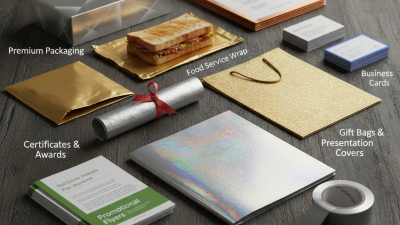
| Printing, Graphics and Decorative Finishes | Labels, flexible laminates, decorative surfaces, embossing and specialty printing substrates | Bright foil, coated foil, embossed foil and laminated foil | Approximately 8–80 micrometres | Surface brightness, smoothness, coating adhesion, printability and controlled reflectivity | Provides a metallic appearance, strong visual contrast and a smooth surface for coatings and laminations |
Note: Thickness ranges are representative industry ranges and vary according to alloy, temper, converting process, product design and required performance.
Aluminium foil manufacturers convert aluminium slabs into thin, controlled sheets for food packaging, pharmaceuticals, insulation, and industrial applications. Their work includes rolling, annealing, slitting, surface treatment, inspection, and protective packing. A reliable manufacturer controls every stage, not only the final appearance.
Quality standards should match the foil’s intended use. Buyers should check alloy grade, thickness tolerance, width accuracy, tensile strength, surface cleanliness, and pinhole limits. For sensitive applications, request documented food-contact or product-safety compliance. Certificates of analysis should identify the batch, testing method, and measured results. Traceability matters. It connects one finished coil to its production records.
Selection requires more than comparing prices. Review production capacity, minimum order quantities, delivery performance, packaging quality, and technical support. Ask whether the factory uses calibrated gauges and keeps inspection records. A factory visit or independent audit can reveal dusty storage areas, damaged coils, or inconsistent labeling. A polished website proves little. No supplier is perfect. Even experienced teams can miss a tolerance issue when specifications are vague. Provide clear drawings, permitted defects, core dimensions, and storage conditions. Environmental claims also need evidence, such as recycled-content records or energy data. Choose the manufacturer that communicates limitations honestly and responds with measurable solutions.
Aluminium foil manufacturers convert aluminium alloy into thin, controlled-gauge foil for packaging, household, pharmaceutical and industrial applications. The chart shows indicative industry thickness ranges commonly used when comparing supplier capabilities; exact requirements depend on alloy, temper, coating and end use.