
What Is a Foil Container With Lid Used For?
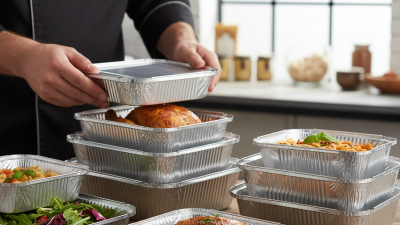
A foil container with lid is used to hold, cover, transport, and sometimes reheat prepared food. Caterers use shallow trays for roasted vegetables and baked pasta; restaurants pack sauces, rice, or leftovers in smaller pans. The lid helps reduce spills and limit exposure during delivery. It also makes portions easier to stack. A practical detail matters: not every lid is oven-safe, and not every foil container suits every appliance.
The U.S. Environmental Protection Agency’s 2018 Advancing Sustainable Materials Management report estimated that 34.9% of aluminum packaging and containers were recycled in the United States. That category includes more than takeaway trays, so the figure should not be read as a recycling rate for foil containers alone. Still, it offers useful context: material recovery depends on local collection systems and how items are sorted. Check local guidance before recycling a used container.
For food businesses, the choice is more specific than “foil or plastic.” Container depth, lid fit, grease resistance, and food temperature all affect performance. A tight-fitting lid can help protect a meal in transit, but it does not replace safe handling or temperature control. And one caveat is easy to miss: some containers are designed for oven use, while their lids may need to be removed. The label matters. This guide explains common uses, selection points, and practical limits, without treating every foil container as interchangeable.
Definition and Main Features of a Foil Container With Lid
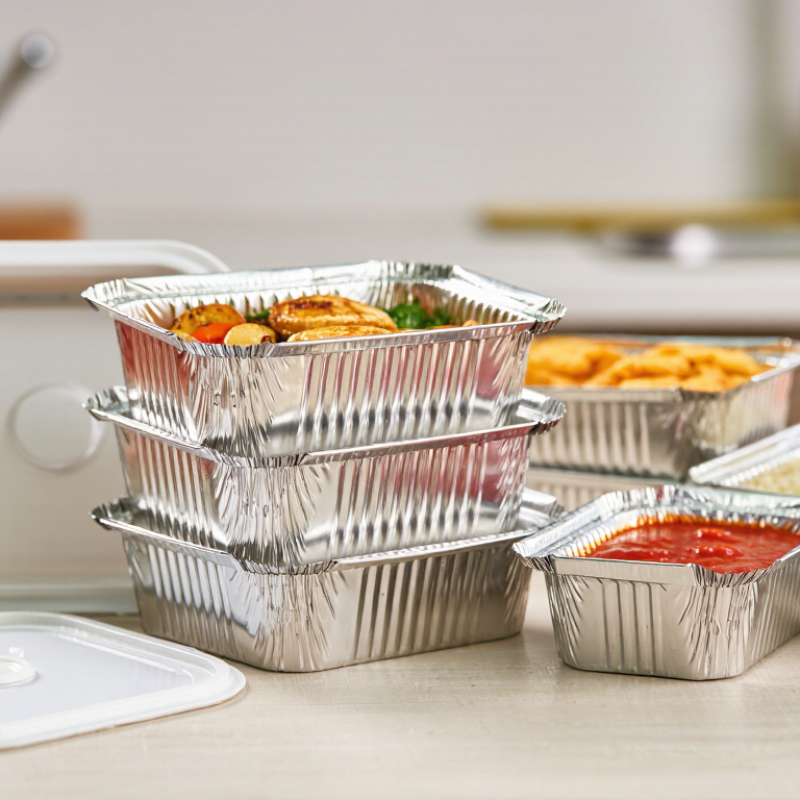
A foil container with a lid is a lightweight food vessel, usually made from formed aluminium. The base holds meals, baked goods, or leftovers; the lid helps limit spills and exposure during storage or transport. Lid materials vary, so check whether yours is aluminium, paperboard, or plastic. That detail matters.
Aluminium conducts heat quickly, which can help food heat or cool evenly, but it can also become hot to touch. Use the container only as its maker directs, especially in ovens. A lid may need to be removed before heating. Light, yet sturdy.
The container also blocks light and provides a barrier against air and moisture when properly closed. It is not always airtight, though, and a loose lid can let sauces leak. European Aluminium’s 2020 packaging data reported that roughly 75% of aluminium packaging was recycled in Europe. This figure covers packaging broadly, not foil containers alone. Recycling access varies by location, and food residue can affect acceptance. Scrape out leftovers, then check local guidance before placing the container in a recycling bin. These small steps make the container’s practical benefits clearer, without assuming every lid or local system works the same way.
What Is a Foil Container With Lid Used For? - Definition and Main Features of a Foil Container With Lid
| Dimension | Description | Common Use or Practical Note |
|---|---|---|
| Definition | A foil container with lid is a lightweight food container made primarily from formed aluminum foil and supplied with a cover. | Used to hold, transport, store, or serve prepared foods. |
| Container material | The container is generally made from thin aluminum foil shaped into a tray, pan, or compartmented dish. | Aluminum conducts heat efficiently and is widely used for food packaging and cooking. |
| Lid types | Lids may be made from aluminum foil, paperboard, plastic, or a combination of materials, depending on the product. | Check the lid material and its stated temperature limits before heating; a lid suitable for storage may not be suitable for an oven. |
| Heating and baking | Many aluminum foil containers can be used in conventional ovens when their instructions allow it. | Suitable for baking, roasting, reheating, and cooking casseroles or individual portions. Remove lids unless they are explicitly labeled oven-safe. |
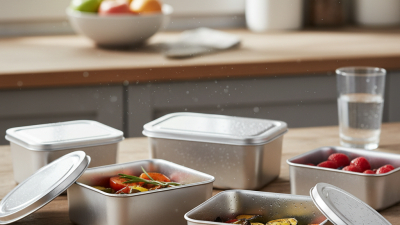
| Food storage | A fitted lid helps cover food and reduces exposure to air, spills, and handling during storage or transport. | For refrigerated storage, allow hot food to cool safely and follow food-safety guidance. A lid does not make a container airtight unless designed to do so. |
| Takeout and catering | The lightweight, stackable format is practical for packing meals and serving multiple portions. | Commonly used for takeaway meals, catering trays, prepared foods, and food-service portions. |
| Heat transfer | Aluminum transfers heat faster than many common packaging materials. | Food can heat or cool quickly; use oven mitts when handling a hot container. |
| Shape and capacity | Containers are available in a range of rectangular, round, and compartmented shapes and sizes. | Choose a size suited to the portion and food type, leaving room for a lid to fit securely. |
| Compatibility limits | Aluminum is not suitable for every appliance or food-contact situation. | Do not use foil containers in a microwave unless the microwave and container instructions specifically permit it. Avoid prolonged contact with highly acidic or salty foods when the product guidance advises against it. |
| Disposal and recycling | Clean aluminum containers may be recyclable where local collection programs accept them. | Remove food residue and separate non-aluminum lids when required by local recycling rules. |
Important: Always follow the container and lid manufacturer’s instructions for oven use, temperature limits, storage, and disposal. Product specifications can vary by material and design.
Related Posts
-
What Are the Top Aluminium Food Container Types in 2026?
-
2026 Best Aluminium Foil Container Suppliers?
-
Top 10 Aluminium Packaging Manufacturers in China?
-
Top 10 Aluminium Foil Container Benefits for Global Buyers
-
Why Choose Aluminium Containers for Food Storage?
-
Top 10 Benefits of Industrial Aluminum Foil Rolls for Buyers?