What Are the Top Aluminium Food Container Types in 2026?
Food packaging choices are shaped by the meal, serving size, storage needs, and how food will be reheated. In 2026, buyers can choose from several aluminium food container types, including shallow trays, deep pans, compartmented containers, and lidded takeaway formats. Some suit a crisp pastry or a single portion. Others hold family-sized meals, sauces, or prepared dishes. Small details matter. Rim shape, wall depth, and lid fit can affect filling, stacking, and handling.
This guide compares the main formats and explains where each may work best. It considers practical factors such as capacity, rigidity, storage, and compatibility with common kitchen routines. Product specifications vary, so check the manufacturer’s guidance rather than assuming every container performs alike. A sturdy tray may be useful for heavier food, while a shallow one can be easier to portion and store. Yet the “best” choice is rarely universal. It depends on the food, the workflow, and the expectations of the people using it. Some distinctions are less clear in practice than product descriptions suggest. The sections ahead offer a grounded starting point, not a promise that one format solves every packaging problem.
Aluminium Food Containers: Materials, Design, and Core Functions
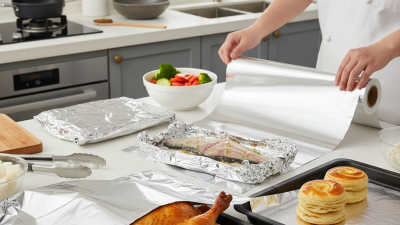
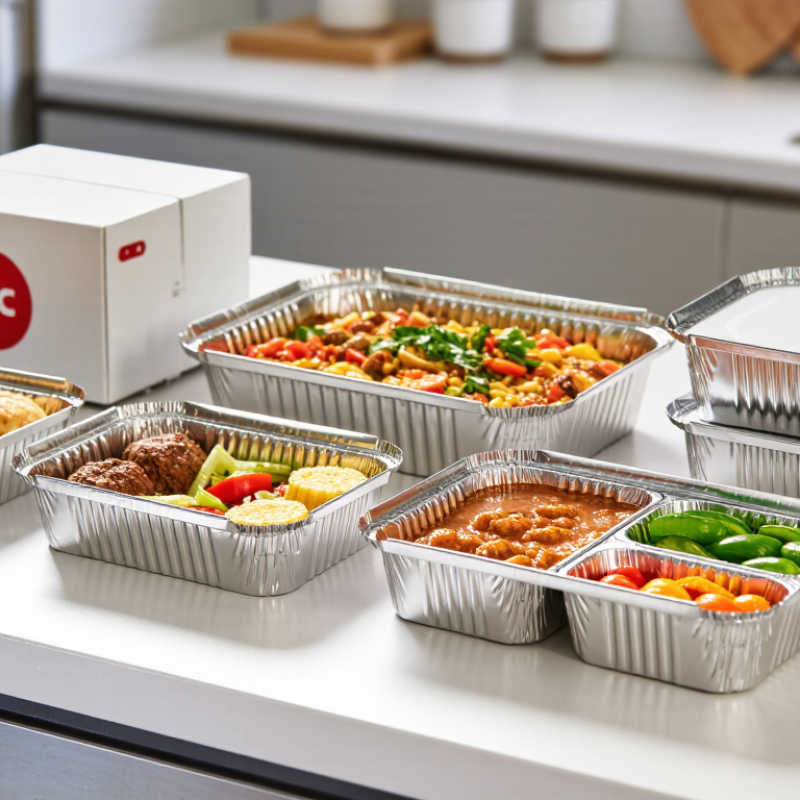
Aluminium food containers vary by shape, wall thickness, and lid style. Shallow trays suit baked dishes and prepared meals, while deeper pans hold sauces or larger portions. Compartment designs keep foods separate during transport. Small details matter. A rolled rim can make a tray easier to handle, but thin foil may bend when loaded with a heavy meal.
Most containers use food-contact aluminium, sometimes with a surface coating. Uncoated foil is lightweight and conducts heat efficiently; coated interiors may help limit contact with acidic or salty foods. Check the product specifications, since coatings and temperature limits differ. A container is not automatically suitable for every oven, freezer, or microwave. Follow its stated directions.
Design affects everyday use. Lids may be foil, paperboard, or plastic, and they do not all seal equally well. Not every lid fits. For delivery, a snug lid and reinforced corners can reduce spills and crushing. For reheating, a broad, shallow shape often warms food more evenly than a deep one, though the food itself matters too. There is no perfect format; the easy-to-miss trade-off is that sturdier containers can take more storage space. After use, recycling options depend on local facilities and whether the container is clean enough to sort.
Rigid Aluminium Trays for Baking, Roasting, and Meal Preparation
Rigid aluminium trays suit baking, roasting, and portioned meal preparation because they transfer heat quickly and hold their shape. Use a shallow tray for crisp-edged vegetables or a deeper one for pan juices and layered dishes. A firm rolled rim makes lifting easier, especially when the tray is full. Small details matter. Thin trays can flex, so support them from below when moving food in or out of the oven. Check the supplier’s temperature guidance, and match tray size to the oven rack to leave room for airflow.
Material recovery matters too, but collection varies by location. European Aluminium’s 2022 packaging data reported a 76% recycling rate for aluminium packaging in Europe; that figure covers packaging broadly, not food trays alone. The International Aluminium Institute has reported that about 75% of all aluminium ever produced remains in use. These figures show the material’s recovery potential, not a guarantee that every used tray will be recycled. Empty trays and remove heavy food residue before checking local sorting instructions. In busy kitchens, stacking identical trays can save space, though lids and tray dimensions should be tested together before large-scale meal prep. A small mismatch can make storage awkward.
Foil Pans and Takeaway Containers for Food Service
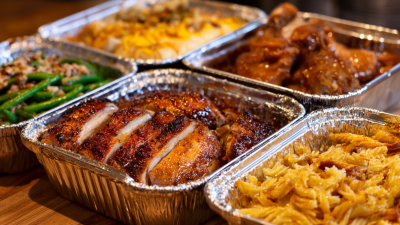
For food-service buyers in 2026, foil pans and takeaway containers solve different problems. Shallow foil pans suit roasting, bakery portions, and catered sides because they transfer heat readily and fit standard service lines. Choose a reinforced rim when staff must lift a loaded pan; thin foil can flex. Small details matter. For takeaway, deeper, lidded containers help contain sauces and reduce spills during delivery. Check lid fit with the actual menu, not an empty sample. A secure seal can still trap steam and soften crisp food.
Environmental claims need careful wording. The US EPA’s 2018 Advancing Sustainable Materials Management report recorded a 34.9% recycling rate for aluminum containers and packaging. That category is broader than food-service pans alone, so it should not be read as a pan-specific rate. The International Aluminium Institute reports that recycling aluminum can use up to 95% less energy than producing primary aluminum. This is a material-level comparison, not a guarantee of lower impact for every container or route. Local collection access matters. I would not assume a foil pan is recycled just because it is aluminum; food residue, mixed materials, and local sorting rules can change the outcome.
Top Aluminium Food Container Types in 2026
Approximate capacity of common foil steam-table pan sizes
Full-, half-, third-, and quarter-size foil pans are widely used in food service. The chart shows typical capacities at approximately 2.5 inches deep; actual capacity varies with pan depth and design. One US liquid quart is approximately 0.946 litres.
Aluminium Lids, Compartments, and Specialty Container Types
Aluminium lids and compartment trays are practical choices when food needs protection and clear portioning. Crimped foil lids suit many catering pans and help retain heat during short transport. Board lids offer a firmer surface for stacking, while fitted lids can make repeated handling easier. Check the rim and lid dimensions together; even a small mismatch can loosen the seal. There is no perfect lid.
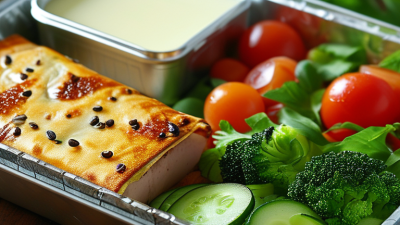
Compartment containers keep rice, vegetables, and sauces apart, which helps preserve texture and presentation. They work well for meal portions and mixed dishes. However, a divider does not always stop thin sauces from crossing over. Test the container with the actual food, not just an empty tray. That step is easy to skip.
Specialty types include deep trays for baked pasta, shallow pans for roasted vegetables, and round containers for pies or side dishes. Choose depth based on serving size and stacking needs. A deep pan holds generous portions, but it may cool unevenly when packed tightly. For takeout, check that the lid stays secure during movement and that the container suits the food’s temperature. Small details matter.
How to Choose an Aluminium Food Container for Each Application
Choosing an aluminium food container starts with the food, not the catalogue.
For hot takeaway meals, select a rigid tray with rolled edges and enough depth to limit spills. A snug lid helps during short trips, but lids vary in heat tolerance and may not be oven-safe. Check the supplier’s use guidance.
For baked dishes, match the container dimensions to oven space and serving size. Deeper pans suit lasagne or roasted vegetables; shallow pans can help pastries brown evenly. Thin foil trays are light and economical, yet may buckle when full. In practice, an empty tray can feel sturdy but flex under a full portion. Use a rimmed baking sheet underneath. A small detail.
For chilled meals, choose a lid that handles condensation and a shape that stacks without crushing soft foods. For acidic or salty recipes, verify food-contact suitability and coating guidance; containers can perform differently.
For portioned service, compartments keep sauces separate, while smooth interiors can make serving easier. For delivery, prioritize rigidity, secure closure, and enough headspace. For display, look for a clean rim and consistent shape. This is the part teams may rush. Test filled containers for leakage, stacking, and handling before ordering at scale. Not glamorous.