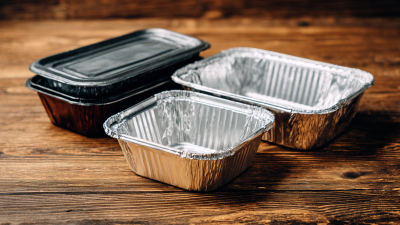
Choosing the right foil container can feel simple until the details affect freshness, safety, and cost. A shallow tray may suit roasted vegetables, while a deeper one protects sauces during delivery. Size matters more than many buyers expect.
This guide draws on practical packaging experience and careful product comparison. It examines material thickness, shape, lid fit, heat resistance, food contact suitability, and recycling information. Reliable suppliers should provide clear specifications, consistent quality, and sensible order support. A cheap foil container can become expensive when lids loosen, edges bend, or portions look unappealing.
Small details matter.
Before ordering, test one sample with the food you actually serve. Check whether it holds its shape after filling, stacking, chilling, or reheating. Do not assume every container works with every appliance. Manufacturer instructions remain important, especially for high temperatures and storage conditions.
I once focused too heavily on price and overlooked lid compatibility. That mistake created unnecessary spills and extra labor. It was a useful reminder, though not a pleasant one. The best choice depends on your menu, handling process, customers, and budget—not on appearance alone.
The seven tips below will help you compare options with greater confidence. They also encourage a more realistic question: will this foil container perform well throughout its entire use, from kitchen to customer?
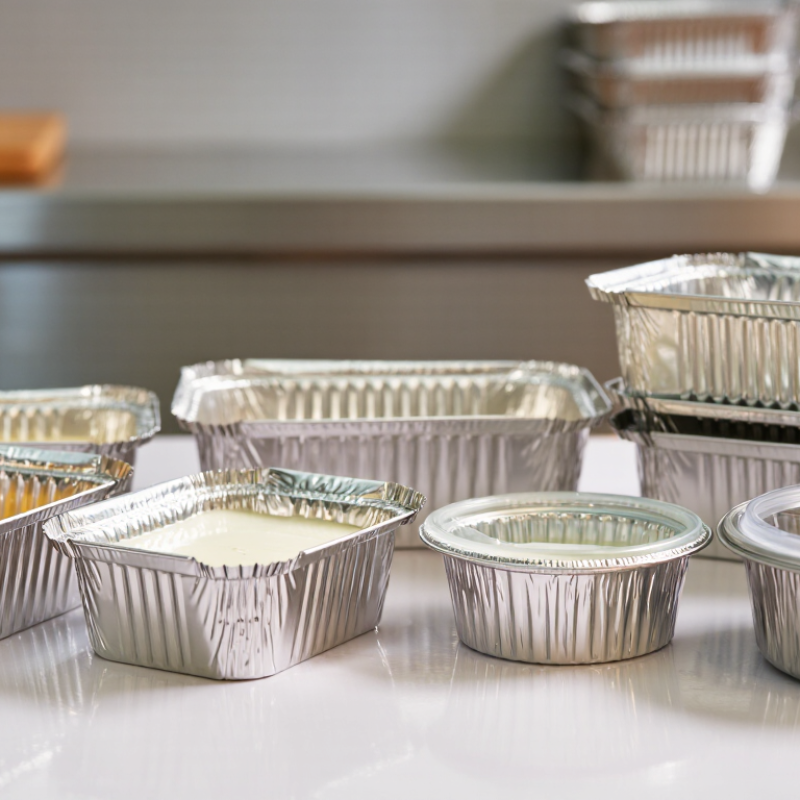
7 Tips for Buying the Best Foil Container
Define the food packaging need before comparing foil containers. A container for baked meals needs heat resistance, rigidity, and a secure lid. A container for chilled desserts needs moisture control and dependable stacking. Takeaway food may require leak resistance during a 30-minute delivery. The purpose changes the specification.
Measure the real portion size. Oversized containers increase material use and allow food to move during transport. Undersized containers can crush toppings and cause spills. The Food and Agriculture Organization reports that about 14% of food is lost between harvest and retail. Suitable packaging cannot solve every loss, but it can reduce damage during handling. It must fit the food, not merely look substantial.
Test the container with actual products. Add hot sauce, oily foods, or acidic ingredients, then inspect the surface and seams. Check whether the lid closes after filling. Do not trust a catalog image alone. The first specification is often imperfect. Recheck it with staff who pack orders daily. Their comments may reveal awkward edges or slow stacking.
Choose the required foil thickness instead of the maximum available. Stronger is not always better. The International Aluminium Institute states that recycling aluminum can save up to 95% of the energy used for primary production. Confirm local recycling guidance, food-contact compliance, oven limits, and storage conditions. A reliable container protects the meal, supports efficient handling, and matches its actual purpose.
Define the container’s purpose by identifying the temperature environment your food will encounter. Common reference points include chilled storage at 4°C, frozen storage at −18°C, hot holding at approximately 60°C, boiling water at 100°C, and conventional oven cooking at approximately 180°C. Always check the manufacturer’s instructions for the specific container, lid, coating, and use conditions.
Compare foil thickness before judging appearance. A thicker wall usually resists dents, tearing, and bending during transport. Check the stated gauge or measure samples with a micrometer when accuracy matters. Thin foil can work for light foods, but it may collapse under heavy portions.
Strength depends on more than thickness. Press the base gently and inspect the rim, corners, and seams. A firm base supports casseroles better.
I once chose a deep container with thin sides, and it buckled when lifted. That mistake changed how I test samples.
Tip two: check rigidity while empty.
Tip three: test the filled container.
Tip four: examine whether the rim stays straight.
Heat resistance requires careful comparison. Foil handles high oven temperatures well, but the container may still deform from weight or sudden temperature changes. Review the supplier’s temperature range and intended use.
Tip five: compare oven limits, not marketing phrases.
Tip six: consider thermal cycling, such as moving from a hot oven to a cooler surface. That transition deserves caution.
Tip seven: match size and strength to the food. Wet, heavy meals need stronger walls and stable bases. Small portions may not need premium thickness.
Inspect several pieces, because production consistency can vary. I still find this step easy to skip, especially when buying in a hurry. That is worth reconsidering.
Reliable containers should have clear specifications, food-contact information, and consistent dimensions.
Choosing an aluminum foil container starts with the food, not the shelf. Measure the portion after cooking, because rice, pasta, and roasted vegetables can expand or settle. A container that looks generous may become cramped under a tight lid. For one meal, a 500–700 milliliter capacity often works well. Larger family portions may need 1.5 liters or more. Leave about two centimeters of headspace for sauces and steam. I once filled a shallow tray too closely; the lid touched the food and caused a messy leak.
Match the shape to the task. Rectangular trays stack neatly and suit baked dishes, meal preparation, and leftovers. Round containers can be practical for soups or stews, but they waste space in crowded refrigerators. Choose a deeper design for liquid foods, especially when carrying them across town. A wide, shallow shape cools faster and helps crisp toppings stay exposed. That detail matters. Avoid sharp corners when food will be removed frequently. They can trap sauce and make portioning awkward.
Check capacity with a measuring cup, not visual judgment. Stated volume may include space that is difficult to use. Confirm the base dimensions, rim width, and lid fit before ordering many units. For oven use, verify the temperature guidance and remove unsuitable covers or labels. Keep the container stable on a baking sheet when transporting hot food. My estimates are still imperfect, especially with layered dishes. Test one sample first. It is cheaper than finding dozens are too narrow, too deep, or difficult to stack.
| Tip | What to Check | Practical Guide | Why It Matters |
|---|---|---|---|
| 1. Match the container to the portion | Usable capacity and the amount of food per serving | Choose a small container for an individual side or dessert, and a larger one for family-size portions. Compare the listed capacity in fluid ounces, millilitres, or quarts. | A container that is too small can spill; excess space can make storage and transport less convenient. |
| 2. Measure the food and available space | Inside length, width, depth, and the outside footprint | Measure the food with room for toppings or a lid. Check the outside dimensions against your oven, refrigerator shelf, storage box, or delivery bag. | Published dimensions may refer to the top rim or outside edges, so usable interior space can be smaller. |
| 3. Pick a shape that suits the dish | Rectangular, square, round, or loaf-style design | Rectangular pans suit casseroles and baked pasta; round pans suit pies and cakes; loaf pans suit breads and terrines. | The right shape helps food fit evenly and can make serving, stacking, and packing easier. |
| 4. Select an appropriate depth | Side-wall height and the depth of the food | Use shallow pans for items that need a broad surface and deeper pans for saucy dishes or foods that may bubble during heating. | Allow headspace to reduce the chance of overflow. A deeper pan may also need more time for food to heat through. |
| 5. Consider foil thickness and rigidity | Material gauge, rim strength, and support when lifted | For heavier or liquid-filled portions, look for a sturdier construction or plan to place the foil pan on a rigid baking sheet. | Thin foil containers can bend when carried, especially when filled. A baking sheet provides extra support during handling. |
| 6. Check the lid and closure | Lid fit, rim compatibility, and intended use | Confirm that the lid is designed for the exact container size. For transport, check that it closes securely; for oven use, follow the lid maker's instructions. | A compatible lid helps protect food during storage and transport. Not every lid is suitable for heating. |
| 7. Verify use and storage requirements | Oven, freezer, food-contact, and recycling guidance | Read the product specifications for temperature limits and intended uses. Keep foil containers away from microwave use unless the appliance and container instructions explicitly allow it. | Suitability varies by container and lid. Following the stated directions helps prevent damage and supports safe handling. |
Buying note: Capacity and dimensions vary by design. Check the supplier’s stated usable capacity and measurements before ordering, particularly when a close fit is required.
7 Tips for Buying the Best Foil Container
Tip: Check the lid against the exact container size. A lid that looks close may not grip the rim evenly, leaving corners exposed. Press around the edge and look for gaps. For takeaway meals, ask whether the lid is designed for transport or simply for covering food. A snug lid helps, but it does not always mean the container is leakproof.
Tip: Match the seal to the food. Dry pastries need less protection than saucy leftovers. Some lids fold over the rim; others use a separate cover or sealing film. Check the product details before relying on a seal, especially when food may shift during delivery. I still find this easy to overlook. It is a small detail with messy consequences.
Tip: Check storage compatibility before buying a large stack. Compare container and lid dimensions, then measure the shelf or drawer where they will go. Nestable bases save space, but bulky lids can take up more room than expected. If you plan to refrigerate or freeze filled containers, confirm the maker’s temperature guidance. Don’t assume every foil container or lid suits every appliance. Read the instructions.
Ask for material specifications, coating details, and migration test results. The container should resist leaks, heat, and ordinary food acids.
Sharp edges can damage gloves or cause handling injuries. Small defects matter.
A lighter container may reduce material use, but it must still hold its shape.
Recycling claims can sound impressive, yet facilities may not accept every alloy or coating. Verify the actual process.
The cheapest carton is not always the cheapest choice.
I once trusted one excellent sample too quickly; later consistency became the real concern.
Ask how shortages, defects, and urgent orders are handled. Reliable suppliers provide traceable documents and realistic lead times, not vague promises. Keep written specifications. Review them before signing.