What Are the 2026 Top Foil Container Types?

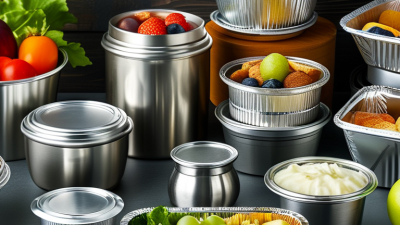
The 2026 foil container market is becoming more specialized, not simply larger. Food manufacturers now compare heat performance, sealing quality, recyclability, and transport efficiency before choosing a format. A small tray can influence an entire production line.

Grand View Research identifies food packaging as a major application area for aluminum foil, supported by its barrier protection against light, oxygen, moisture, and contaminants. Its aluminum foil market analysis also points to growing demand from convenience foods and ready-to-eat meals. Smithers, in its industry outlook on aluminum foil through 2029, highlights lightweight packaging, improved converting technology, and sustainability pressure as continuing market forces. These findings help explain why shallow foil trays, deep-draw meal containers, lidded takeaway boxes, baking cups, and compartment trays are receiving different levels of attention in 2026.

Some choices are obvious.

Deep-draw containers suit frozen dinners and larger prepared meals because their walls provide useful depth and rigidity. Shallow trays work well for bakery products, roasting, and foodservice portions. Compartment designs support separated meals, while lidded foil containers improve stacking and delivery handling. Yet market forecasts are not facts carved in stone. Recycling access differs between regions, and real performance depends on alloy selection, coating, sealing equipment, and temperature exposure. A supplier’s technical sheet matters more than a fashionable claim.

This guide examines the leading foil container types expected to shape purchasing decisions in 2026. It considers practical use, manufacturing suitability, food protection, and end-of-life concerns. The strongest option may not be the cheapest one. It should be the safest, most reliable, and most appropriate for its actual application.
What Are the 2026 Top Foil Container Types?

Key Features That Define the Top Foil Container Types in 2026

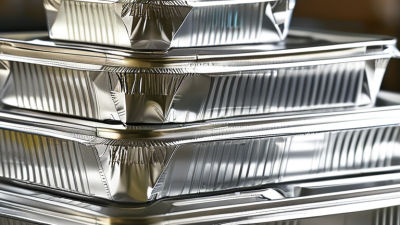
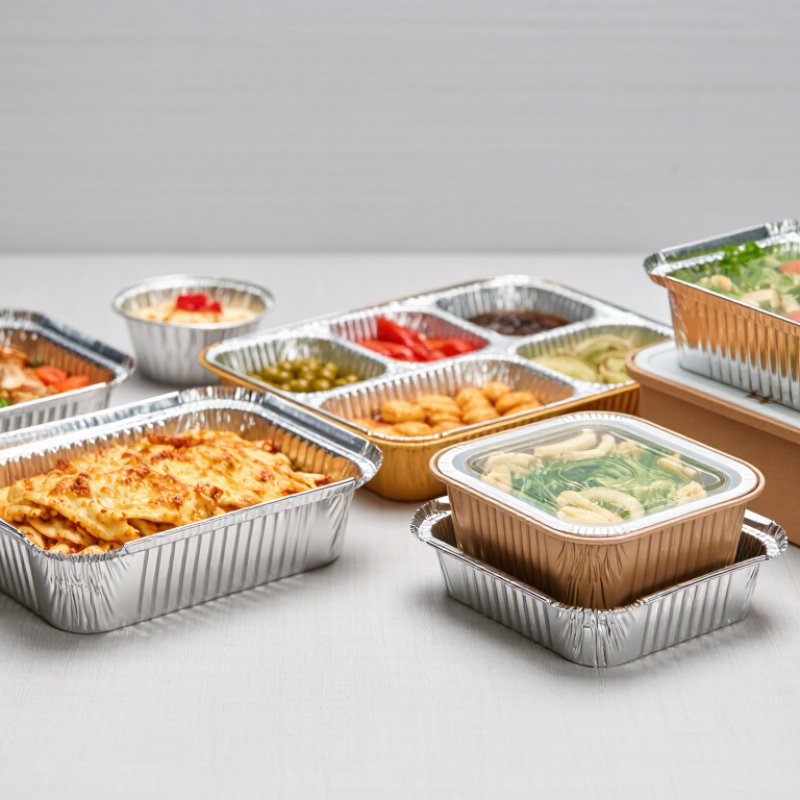
The top foil container types in 2026 are defined by performance, fit, and responsible material use. Standard smooth-wall trays remain practical for roasting, takeaway meals, and refrigerated storage. Their rigid rims resist bending during filling and transport. Deep trays suit sauces and layered dishes. Shallow trays cool food faster.

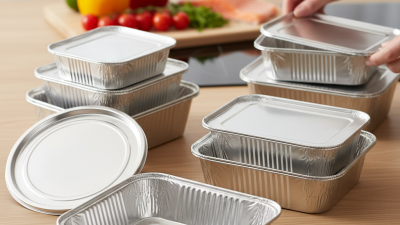
Hinged-lid containers support quick service and reduce separate lid handling. Clear lids improve product visibility, but they may soften near high heat. Compartment containers keep rice, vegetables, and sauces apart. This matters when texture affects customer satisfaction. Stackable corners also save shelf space. Small details matter.

Steam-table pans serve catering operations that need consistent dimensions and reliable heat distribution. Rolled edges improve handling, although they can collect residue if cleaning is rushed. Leak-resistant designs use stronger folds around the base and corners. Still, no container prevents spills when it is overfilled. Testing with hot liquids is more useful than trusting a product description.

Experienced buyers should check foil thickness, rim strength, lid fit, oven compatibility, and temperature limits. Food-contact documentation and manufacturing traceability support safer purchasing decisions. Recyclability depends on local facilities and food contamination. A clean container may be accepted, while a heavily soiled one may not. This point is often overlooked. Performance claims also need practical trials with actual meals, because thin foil can fail under heavier portions.

Rigid Foil Containers for Baking, Catering, and Ready Meals

What Are the 2026 Top Foil Container Types?

Rigid Foil Containers for Baking, Catering, and Ready Meals

In 2026, rigid foil containers will remain practical for baking, catering, and chilled ready meals. Their strongest formats include shallow baking trays, deep meal trays, divided catering pans, and lidded takeaway containers. A 600–1,200 millilitre tray suits many individual meals. Deeper 2–5 litre pans support roasted vegetables, pasta, and banquet service. The shape matters. A wide rim improves filling, sealing, and handling with oven gloves.

Performance must come before appearance. Good containers should resist bending when loaded with sauce, rice, or baked pasta. Smooth internal surfaces also help release food and reduce scraping. For ready meals, divided compartments protect texture. Crispy potatoes should not touch gravy. That detail affects customer experience. However, I would not treat every foil tray as automatically sustainable.

The United Nations Environment Programme’s Food Waste Index 2024 estimated 1.05 billion tonnes of food were wasted in 2022. Secure rigid packaging can support portion control and reduce leakage, but it cannot fix poor forecasting. European Aluminium reported a 76% aluminium packaging recycling rate in Europe for 2022. The U.S. Environmental Protection Agency also notes that recycling aluminium can save about 95% of the energy required for primary production. These figures support recyclable designs, yet local collection systems still decide the real outcome. Operators should test filled trays, stacked lids, reheating conditions, and recycling instructions before large-scale purchasing. Small failures become expensive quickly.

What Are the 2026 Top Foil Container Types?

Rigid foil containers for baking, catering, and ready meals are commonly selected by format, compartment design, and nominal capacity.

The chart compares representative nominal capacities of widely used rigid aluminum foil formats. Single-compartment trays support general ready meals and takeaway service, divided trays separate meal components, loaf pans suit baking, round containers fit desserts and prepared foods, and GN 1/2 pans are commonly used for high-volume catering. Capacities vary by manufacturer and rim design.

Lightweight Foil Trays for Takeout, Delivery, and Food Storage

What Are the 2026 Top Foil Container Types?

Lightweight foil trays remain practical for takeout, delivery, and food storage. Their low weight reduces handling effort without making meals feel poorly packed. Shallow trays suit rice dishes, roasted vegetables, pastries, and single portions. Deep trays hold sauces, pasta, stews, and layered meals with less spill risk.

Compartment trays separate protein, starch, and vegetables during transport. This helps preserve texture when meals travel for thirty minutes or longer. Lidded trays offer a tighter fit, especially when stacked in delivery bags. Clear lids improve visibility, while foil covers can better retain heat. Check the lid design carefully. A loose edge can create a frustrating leak.

For storage, choose trays with firm rims and smooth interiors. These details support easier filling, sealing, and labeling. Some foil containers are suitable for ovens and freezers, but not every lid shares those ratings. Never assume microwave safety. Follow the container instructions instead. In practical packing tests, overfilling caused more problems than weak foil. Leave space for sauces and expansion.

A thicker tray feels secure, but it may increase material use and shipping weight. Lightweight does not mean fragile when the shape is well formed. Still, one size rarely fits every menu. A shallow tray may look efficient, yet it can fail with gravy-heavy food. Test filled containers before regular service. Small adjustments matter.

What Are the 2026 Top Foil Container Types? - Lightweight Foil Trays for Takeout, Delivery, and Food Storage

Foil Container Type Typical Capacity Common Shape and Depth Best Applications Key Advantages Important Considerations
Standard Rectangular Foil Tray 400–2,400 ml Rectangular; shallow to medium depth Entrées, roasted foods, pasta, rice dishes, meal prep, and general takeout Lightweight, stackable, widely available, and suitable for hot or cold food May require a separate lid; thin foil can bend when filled with heavy food
Rectangular Tray with Folded or Crimped Lid 500–2,000 ml Rectangular; shallow to medium depth with an integrated closing edge Takeout meals, bakery items, short-distance delivery, and food storage Quick to close, helps retain heat, and reduces the need for separate packaging components Closure is generally less airtight than a fitted plastic lid; contents should be secured for transport
Hinged-Lid Foil Container 450–2,000 ml Rectangular or square; shallow to medium depth Delivery meals, prepared foods, catering portions, and grab-and-go service Fast one-piece packing, convenient opening, and reduced lid misplacement Hinge strength and seal quality vary; pressure-sensitive foods may need extra handling care
Deep Foil Food Pan 1,500–8,500 ml Rectangular; deep profile, often designed for larger portions Casseroles, curries, soups, stews, bulk meals, and catering service Greater food capacity, strong heat tolerance, and good support for liquid or layered dishes More difficult to carry when full; use a secure lid and support the base during transport
Divided Compartment Foil Tray 500–1,500 ml Rectangular or square; two to four compartments Complete meals with separate mains, sides, vegetables, sauces, or desserts Helps separate foods, preserves presentation, and can reduce the need for extra sauce containers Compartments limit usable volume; liquid foods may spill if the tray is tilted
Round Foil Container 250–1,500 ml Round; shallow to medium depth Pies, cakes, quiches, roasted vegetables, dips, and individual servings Suitable for circular baked goods, even heat distribution, and convenient single portions Round shapes can use storage space less efficiently than rectangular trays
Foil Pie and Bakery Tin 300–2,500 ml Round or fluted; shallow to medium depth Pies, tarts, cakes, pastries, and bake-to-serve products Can support baking, cooling, display, and reheating in one container when suitable for the recipe Edges may be sharp; use a stable outer box for delivery of delicate baked goods
Small Portion Foil Cup or Tray 60–350 ml Round, oval, or rectangular; shallow Sauces, condiments, desserts, side dishes, samples, and individual portions Low material use, easy portion control, and convenient placement inside larger meal orders Limited capacity and stability; secure lightweight cups to prevent movement during delivery

Capacity ranges are typical market-use estimates and vary by container dimensions, wall thickness, and rim design. Aluminum foil containers generally tolerate hot food and oven reheating, but users should follow the container supplier’s instructions. Do not use foil containers in a microwave unless the appliance and packaging instructions specifically permit it. Recycling availability depends on local collection systems and whether the container is emptied of food residue.

Specialized Foil Containers for Medical, Industrial, and Household Uses

In 2026, specialized foil containers will serve more than food storage. Medical applications favor sterile foil trays, blister cavities, and peelable lidding. Their main advantage is barrier protection against moisture, oxygen, light, and contamination. The World Health Organization reports that one in ten medical products in low- and middle-income countries fails quality standards. Packaging cannot fix poor manufacturing, but accurate sealing and traceability reduce avoidable risks. Small seal defects still matter.

Industrial users often choose heavy-gauge foil trays, lined containers, and formed foil housings. These protect powders, diagnostic components, lubricants, and heat-sensitive materials during transport. A practical inspection checks wall thickness, pinholes, seal strength, and deformation after stacking. Household uses remain simpler: roasting trays, freezer containers, and recyclable foil takeaway boxes. Convenience wins here.

Environmental performance needs honest attention. The International Aluminium Institute reports that recycled aluminium uses about 5% of the energy required for primary aluminium production. That figure supports closed-loop collection, but local recycling systems remain uneven. Mixed materials, food residue, and plastic coatings can reduce recovery rates. No container is perfect. The best 2026 choice will match barrier needs, temperature exposure, filling equipment, and disposal conditions, rather than simply using the thickest foil.

How to Choose the Right Foil Container for Different Applications

In 2026, the best foil container depends on its application, not appearance. Shallow trays suit roasted vegetables, pastries, and ready-to-serve meals. Their wide opening supports even heating and easy portion control. Deep containers work better for sauces, stews, and layered dishes. They reduce spills during transport. Compartment trays help separate rice, vegetables, and protein. This matters when texture and presentation must remain consistent.

For bakery products, choose a smooth container with a firm rim. It should resist bending when filled with batter or fruit. Takeaway meals often need a secure lid and enough headspace. Steam needs somewhere to move. Otherwise, crisp food can become soft quickly. For oven use, check the supplier’s temperature guidance and avoid direct contact with heating elements. Small details matter.

Frozen foods need stronger foil and stable edges. A heavier gauge can handle stacking, but it may increase material use. That trade-off deserves review. In practical testing, a container should survive filling, sealing, heating, and carrying without sharp deformation. Consider the lid material too. A tight fit helps prevent leaks, while an overly tight lid can slow opening in busy kitchens. Check local food-contact requirements and recycling guidance before purchase. The cheapest option is not always the most reliable.