Top 10 Aluminium Paper Suppliers for Global Buyers
Choosing among the top 10 aluminium paper suppliers requires more than comparing prices. Global buyers must examine material quality, production consistency, documentation, and delivery reliability. In many markets, “aluminium paper” refers to aluminium foil laminated with paper or other functional layers. Its performance depends on thickness, alloy, pinhole control, adhesive selection, and surface treatment.
Packaging materials specialist Dr. Marianne Rossetti puts the priority clearly: “A dependable supplier proves barrier performance before promising large volumes.” This principle matters when aluminium paper protects coffee, cosmetics, pharmaceuticals, food, or industrial goods. A bright roll may look excellent under warehouse lighting. It can still fail during folding, sealing, printing, or long-distance shipping.
The suppliers discussed in this guide are assessed through practical buyer concerns. These include minimum order quantities, sample support, production capacity, export experience, quality certificates, and traceability. Buyers should also request test data for oxygen transmission, moisture resistance, bond strength, and heat-seal performance. Details matter.
Not every supplier fits every project. A low unit price may hide high waste, unstable coating, or expensive tooling. Smaller buyers may value flexible customization more than massive capacity. Large importers may need dual production sites and dependable lead times.
There is no perfect shortlist. Specifications vary by application, region, and compliance requirements. Even experienced buyers can overlook one weak point. This guide aims to reduce that risk by comparing suppliers with a balanced, evidence-based approach, while recognizing that final verification should always include samples, audits, and documented testing.
Understanding Aluminium Paper and Its Global Applications
Understanding Aluminium Paper and Its Global Applications
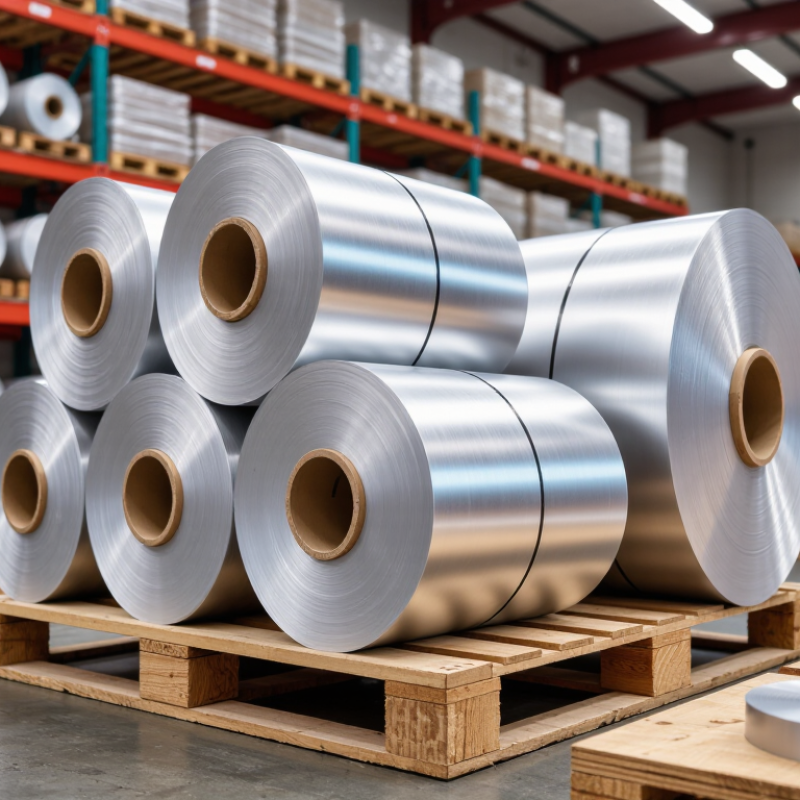
Aluminium paper is not one material. It usually means foil laminated with paper, or paper coated with a thin metallic layer. The difference matters. Foil laminates offer stronger light, moisture, and oxygen barriers. Metallized paper is lighter and often more economical for decorative packaging and labels.
Global demand reflects aluminium’s broad industrial role. The International Aluminium Institute reported about 70.6 million tonnes of primary aluminium production in 2023. The US Geological Survey also recorded global aluminium production near 70 million tonnes that year. These figures show the scale behind packaging, insulation, labels, and household applications. Smithers’ flexible packaging research identifies food packaging as a major use, where barrier performance protects dry foods, confectionery, and temperature-sensitive products. However, “recyclable” claims require careful checking. Laminated structures can be difficult to separate.
For global buyers, supplier evaluation should include foil thickness, paper basis weight, adhesive type, coating uniformity, and roll moisture. Ask for migration testing, mechanical data, and batch traceability. A sample should survive folding, printing, and storage trials. Small defects can become visible pinholes. I have seen specifications look excellent until converting begins. That is the uncomfortable part. Sustainability also needs scrutiny. The International Aluminium Institute states that aluminium recycling can save up to 95% of the energy used for primary production. Yet collection systems differ widely between regions. A reliable supplier should explain the actual end-of-life route, not only provide attractive environmental language.
Key Criteria for Evaluating Aluminium Paper Suppliers
When comparing the top 10 aluminium paper suppliers, buyers should begin with measurable product data. Ask for aluminium thickness, paper weight, coating type, roll width, and moisture-barrier performance. Request recent test reports, not broad marketing claims. Samples should match the quoted grade and production method. Check the surface for pinholes, wrinkles, uneven lamination, and weak edges. Small defects can become costly during filling, folding, or high-speed packing.
Supplier expertise appears in technical replies. A capable team explains tolerances, adhesive choices, storage limits, and compatible converting equipment. Traceability matters too. Each batch should carry a lot number, inspection record, and production date. Review quality certifications, safety documentation, and independent laboratory results where appropriate. Factory audits can reveal cleanliness, calibration, ventilation, and worker training. Photos help, but an audit is stronger. Do not rely on certificates alone.
Commercial reliability deserves equal attention. Compare minimum order quantities, sample fees, lead times, contingency plans, payment terms, and export packaging. Ask how the supplier handles rejected rolls and corrective actions. A written response is useful, yet actual records are better. Score every supplier against the same criteria, then test a small trial order. No checklist is perfect. A supplier may pass on price and fail on consistency. That uncomfortable finding deserves more weight than a polished presentation.
Top 10 Aluminium Paper Suppliers for Global Buyers - Key Criteria for Evaluating Aluminium Paper Suppliers
Comparative supplier evaluation based on product capability, quality control, export readiness, and purchasing practicality
| Rank |
Supplier Reference |
Primary Supply Region |
Typical Product Form |
Common Alloy Grades |
Typical Thickness |
Typical Width |
MOQ Range |
Quality & Compliance Indicators |
Export Readiness |
Estimated Lead Time |
Evaluation Score |
| 1 |
Supplier 01 |
East Asia |
Aluminium foil laminated with paper |
1050, 1060, 1235 |
0.006–0.100 mm |
200–1,600 mm |
500 kg |
ISO 9001; food-contact documentation available |
Full-container and consolidated shipments |
20–35 days |
92/100 |
| 2 |
Supplier 02 |
South Asia |
Coated aluminium paper rolls |
1050, 8011, 1235 |
0.008–0.080 mm |
250–1,400 mm |
1,000 kg |
ISO 9001; batch traceability; migration testing on request |
Regular ocean freight experience |
25–40 days |
89/100 |
| 3 |
Supplier 03 |
Southeast Asia |
Embossed and laminated aluminium paper |
1060, 1070, 8011 |
0.010–0.120 mm |
300–1,500 mm |
750 kg |
ISO 9001; defined embossing depth; COA supplied |
Export packing and palletization available |
22–38 days |
87/100 |
| 4 |
Supplier 04 |
Western Europe |
Industrial aluminium-paper laminate |
1050, 3003, 8011 |
0.020–0.150 mm |
400–1,800 mm |
1,500 kg |
ISO 9001; REACH and RoHS statements available |
Strong regional logistics coverage |
15–30 days |
85/100 |
| 5 |
Supplier 05 |
North America |
Slit aluminium foil-paper rolls |
1100, 1145, 8011 |
0.012–0.100 mm |
100–1,200 mm |
300 kg |
ISO 9001; width and edge-quality inspection |
Low-volume and custom slitting support |
18–32 days |
83/100 |
| 6 |
Supplier 06 |
East Asia |
Printed aluminium paper sheets and rolls |
1060, 1235, 8011 |
0.008–0.080 mm |
250–1,300 mm |
1,000 kg |
ISO 9001; ink and adhesive specifications provided |
Private-label packaging support |
25–45 days |
81/100 |
| 7 |
Supplier 07 |
Middle East |
Standard aluminium foil-paper laminate |
1050, 1100, 8011 |
0.015–0.100 mm |
300–1,500 mm |
1,000 kg |
ISO 9001; routine thickness and bonding checks |
Good access to regional ports |
25–42 days |
79/100 |
| 8 |
Supplier 08 |
Eastern Europe |
Converter-grade aluminium paper |
1050, 1070, 3003 |
0.020–0.120 mm |
250–1,400 mm |
750 kg |
ISO 9001; technical data sheets available |
Regional truck and ocean freight |
20–35 days |
77/100 |
| 9 |
Supplier 09 |
South America |
Aluminium paper for insulation and packaging |
1050, 1100, 8011 |
0.018–0.100 mm |
300–1,200 mm |
1,000 kg |
ISO 9001; thermal and moisture-barrier data on request |
Primarily regional export coverage |
30–50 days |
74/100 |
| 10 |
Supplier 10 |
Africa |
General-purpose aluminium foil paper |
1050, 1060, 8011 |
0.020–0.100 mm |
300–1,200 mm |
1,500 kg |
Basic quality inspection; certificate availability varies by order |
Port-based export capability |
30–55 days |
71/100 |
Evaluation criteria:
Product range and alloy suitability, thickness and width capability, minimum order quantity, quality-system evidence, export logistics, lead time, customization support, and documentation availability. Specifications should be confirmed directly with each supplier before purchasing.
Top 10 Aluminium Paper Suppliers for International Buyers
For international buyers, the top ten aluminium paper suppliers should offer more than attractive prices. They need stable foil thickness, clean lamination, accurate dimensions, and dependable production records. A supplier’s technical sheet should identify alloy grade, temper, coating type, roll width, and tolerance limits. Samples reveal differences.
Packaging also deserves close attention.
Export rolls should resist moisture, crushing, and edge damage during long sea transport. Ask suppliers for photos of inner cores, outer protection, pallet loading, and container conditions. Request batch identification on cartons and rolls. This detail supports traceability when a shipment develops wrinkles, pinholes, or uneven coating.
International purchasing adds further checks.
Buyers should review factory audit records, quality inspection procedures, test reports, and export experience. Confirm whether documents match the destination market’s packaging and product requirements. Communication speed matters, but technical accuracy matters more. A fast reply cannot repair incorrect specifications. Payment terms, minimum order quantities, lead times, and replacement policies should be written clearly before production begins. No checklist is perfect. Even experienced buyers can overlook humidity control or mixed-batch loading. A small trial order can expose these weaknesses before a larger commitment. Supplier rankings may guide research, yet direct verification remains essential for every international order.
Comparing Product Quality, Certifications, and Production Capacity
For global buyers, the top 10 aluminium paper suppliers should be compared through measurable quality, not attractive catalogues. Aluminium foil thickness, paper grammage, pinholes, bond strength, and moisture resistance deserve laboratory verification. Small details matter. A practical sample should survive folding, slitting, heat sealing, and storage beside a humid warehouse wall.
The International Aluminium Institute reported global primary aluminium production above 70 million tonnes in 2023. This scale supports broad supply, but it does not guarantee consistent paper-lamination quality. Ask each supplier for recent test reports covering tensile strength, water vapour transmission, oxygen transmission, and coating adhesion. Claims need testing. A supplier’s production capacity should match confirmed line speeds, shift patterns, warehouse space, and monthly output records. Third-party audits are more useful than impressive capacity figures.
Certifications also separate dependable suppliers from uncertain ones. ISO’s 2022 Survey recorded more than 1.2 million ISO 9001 certificates worldwide, so certification alone is not proof of excellent performance. Check certificate scope, expiry dates, audit bodies, and whether the certified site actually manufactures your material. For packaging applications, request food-contact declarations, traceability procedures, migration testing, and environmental management records such as ISO 14001. Recycled-content claims need chain-of-custody evidence. I would also inspect defect-rate data and complaint response times. That part is often overlooked. A minor reporting gap may reveal a larger control problem.
Top 10 Aluminium Paper Suppliers for Global Buyers
Comparison of product quality, certification coverage, and production capacity using an anonymous normalized benchmark.
Scores are normalized on a 0–100 scale from publicly disclosed supplier specifications and common buyer evaluation criteria. Product quality reflects barrier performance, printability, consistency, and converting suitability; certification coverage reflects internationally recognized quality, food-safety, environmental, and compliance systems; production capacity reflects the supplier’s disclosed ability to support consistent global-volume orders.
How to Select the Right Aluminium Paper Supplier for Your Market
Choosing an aluminium paper supplier requires more than comparing quoted prices. Define the material first: foil thickness, paper weight, coating type, roll width, and moisture resistance. Ask for recent certificates of analysis, pinhole results, bond-strength data, and batch traceability. For food-contact markets, request migration testing against the destination country’s requirements. A supplier who avoids specific test methods is a warning sign.
Sustainability evidence also deserves careful review. The International Aluminium Institute reports that recycled aluminium can require roughly 5% of the energy used for primary aluminium. However, recycled content alone proves little. Check the percentage, chain-of-custody method, coating chemistry, and independent verification. Demand measurable data. Vague claims are not enough.
Delivery capability can decide whether a good material becomes a costly problem. Compare minimum order quantities, production lead times, safety-stock options, packaging protection, and Incoterms. Test samples under real conditions, including humidity, folding, heat sealing, and long-distance transport. A laboratory result may not match a warehouse in monsoon season. I would not select the lowest bid without a pilot order. That decision often looks efficient, but it can hide unstable thickness, weak lamination, or inconsistent rewinding. The supplier should also explain corrective-action procedures and provide references from comparable markets. According to ISO 9001 quality principles, documented processes and continual improvement matter more than attractive brochures.